Types of Cast Iron Weight
Cast iron weights stand as foundational components across industrial production, weighing calibration, mechanical balancing, engineering construction, and marine and mining operations, serving as essential functional accessories that rely on stable mass density, durable structural stability, and reliable compressive performance to meet diverse load-bearing, calibration, and counterbalancing demands. Unlike metal weights made from other alloy materials, cast iron weights gain widespread application popularity due to their mature casting craftsmanship, stable internal structural uniformity, excellent vibration damping performance, and strong adaptability to complex working environments. The classification of cast iron weights follows two core logical dimensions in practical production and application: one is based on the inherent material microstructure and elemental composition of the cast iron itself, which determines the fundamental physical and mechanical properties of the weight, including hardness, toughness, wear resistance, and deformation resistance; the other is based on external structural design, shape characteristics, and practical application scenarios, which defines the operability, placement stability, and professional matching degree of the weight in different use environments. Understanding the different types of cast iron weights and their respective characteristics, performance advantages, and applicable scenarios is crucial for enterprises, engineering teams, and operation personnel to select suitable weight products, ensure the accuracy of weighing work, maintain the stable operation of mechanical equipment, and extend the service life of both weights and matched industrial facilities. Each type of cast iron weight is developed and optimized according to targeted usage needs, with unique structural design and material properties that make it irreplaceable in specific application fields, and a detailed exploration of each category helps to clarify the rational application value of cast iron weights in modern industrial and civil engineering fields.
From the perspective of material classification, which is the most fundamental classification standard for cast iron weights, the main types applied in weight manufacturing include gray cast iron weights, white cast iron weights, ductile cast iron weights, and malleable cast iron weights, each differentiated by the form of carbon existence, internal microstructure, and subsequent heat treatment processes during casting molding. Gray cast iron is the most commonly used material for manufacturing conventional cast iron weights, featuring carbon elements distributed in the form of fine graphite flakes inside the metal matrix after casting and cooling, and the fracture surface of processed weights presents a uniform gray tone, which is the origin of its naming. The internal flake graphite structure gives gray cast iron excellent vibration damping capacity, enabling weights made from this material to effectively absorb vibration generated during mechanical operation and weighing testing processes, avoiding mass deviation caused by vibration displacement and ensuring long-term placement stability. In addition, gray cast iron boasts good machinability and thermal conductivity, allowing for fine processing of weight surfaces, precise adjustment of overall mass during production, and strong resistance to thermal expansion and contraction changes in conventional temperature environments. The chemical composition of gray cast iron for weights is kept within a stable range, with reasonable proportions of carbon, silicon, manganese, and other trace elements, ensuring the internal structure of the cast iron is dense and uniform, without internal pores, sand holes, or shrinkage cavities that affect mass stability. Gray cast iron weights have moderate hardness and wear resistance, not easy to produce surface wear and mass loss under daily handling, stacking, and conventional environmental contact, and their production process is simple and mature, suitable for mass production of various conventional specification weights for general industrial weighing calibration and ordinary mechanical counterbalancing work. Such weights are widely used for daily verification of various floor scales, platform scales, and small and medium-sized electronic weighing equipment in factories, warehouses, and logistics venues, as well as for basic counterweight configuration of ordinary mechanical equipment that does not bear strong impact and high-strength friction working conditions.
White cast iron weights are another important material-type cast iron weight, differing significantly from gray cast iron in internal structure and performance characteristics. During the solidification process of white cast iron molten iron, carbon elements do not form flake graphite precipitation but combine directly with iron to form hard iron carbide compounds, and the fracture surface of the finished weight shows a bright white metallic luster, hence the name. The internal iron carbide structure makes white cast iron weights have extremely high surface hardness and excellent wear resistance, far exceeding gray cast iron in anti-friction and anti-scuffing performance. This type of cast iron weight has dense internal structure, strong pressure resistance, and is not easy to produce surface deformation and structural damage even under long-term heavy pressure, frequent friction, and harsh working conditions with abrasive medium contact. However, due to the special internal carbide structure, white cast iron has relatively low toughness and poor ductility, making the weights more brittle and not suitable for use in working environments with frequent strong impact, collision, and bending stress. White cast iron weights are mostly used in special industrial scenarios that require high wear resistance and pressure resistance, such as counterweight and load-bearing auxiliary work for mining equipment, cement processing machinery, and metallurgical production equipment, where weights need to withstand long-term material friction, heavy load compression, and harsh environmental erosion. In these scenarios, the high wear resistance of white cast iron can effectively prevent weight surface thinning and mass reduction caused by long-term friction, maintaining the long-term mass stability and structural integrity of the weights, while its high compressive strength ensures that the weights do not crack or deform under long-term heavy load working conditions.
Ductile cast iron weights, also known as nodular cast iron weights, are a high-performance type of cast iron weight manufactured by adding a small amount of nodulizing elements such as magnesium to molten iron during the casting process, making carbon elements condense into tiny spherical graphite nodules instead of flakes or carbides after solidification. The spherical graphite structure inside ductile cast iron effectively eliminates the stress concentration problem caused by flake graphite in gray cast iron and the brittleness defect caused by iron carbide in white cast iron, combining the advantages of good toughness, high strength, strong impact resistance, and moderate wear resistance. Ductile cast iron weights have better mechanical comprehensive performance than gray cast iron and white cast iron, with both sufficient compressive strength to meet heavy load counterbalancing needs and good toughness to resist external impact and collision damage, not easy to crack or break even in complex working conditions with frequent mechanical vibration and occasional impact. In addition, ductile cast iron has good fatigue resistance, enabling the weights to maintain stable structural performance after long-term repeated stress and vibration, without structural fatigue damage or mass deviation. Due to the excellent comprehensive performance, the production and processing requirements of ductile cast iron weights are higher than conventional gray cast iron weights, and they are mainly used in high-demand professional scenarios, such as precision mechanical equipment balancing, large elevator counterweight configuration, marine vessel balance adjustment, and high-precision weighing instrument calibration that requires long-term stable use. These scenarios put forward higher requirements for the toughness, impact resistance, and long-term structural stability of weights, and ductile cast iron weights can fully meet the rigorous use standards, avoiding equipment operation failures and weighing accuracy errors caused by weight damage or deformation.
Malleable cast iron weights are made by conducting special long-term high-temperature heat treatment on initially cast white cast iron blanks, which transforms the brittle iron carbide structure inside the white cast iron into tempered flocculent graphite structure, thus greatly improving the toughness and ductility of the cast iron while retaining certain hardness and wear resistance. Malleable cast iron fills the performance gap between gray cast iron and ductile cast iron, with better toughness than gray cast iron and lower production cost than ductile cast iron, achieving a balanced match between performance and cost. Malleable cast iron weights have strong anti-collision ability, not easy to produce brittle fracture during handling, transportation, and use, and have good surface processing performance, allowing for fine polishing and anti-rust treatment on the weight surface to adapt to indoor and outdoor alternating use environments. The structural stability of malleable cast iron weights is good, with small mass change under temperature and humidity changes, suitable for medium-demand weighing calibration and mechanical counterbalancing work that requires certain impact resistance but does not need ultra-high strength performance. Such weights are commonly used in agricultural machinery equipment counterweight, construction machinery auxiliary load-bearing, and regular calibration of medium-precision weighing tools in construction sites, with moderate comprehensive performance and wide application adaptability in general medium-strength working scenarios.
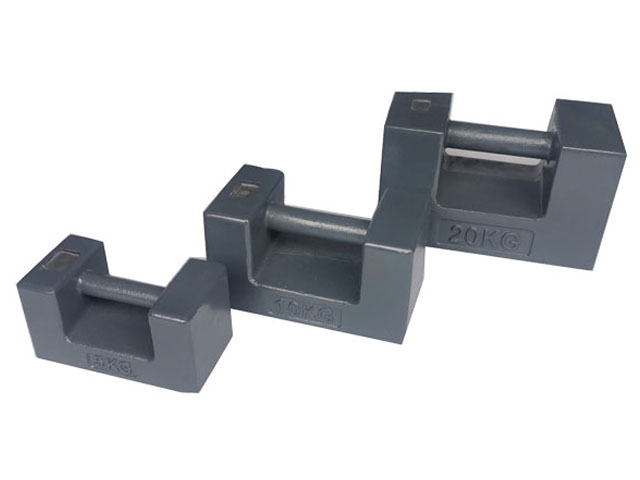
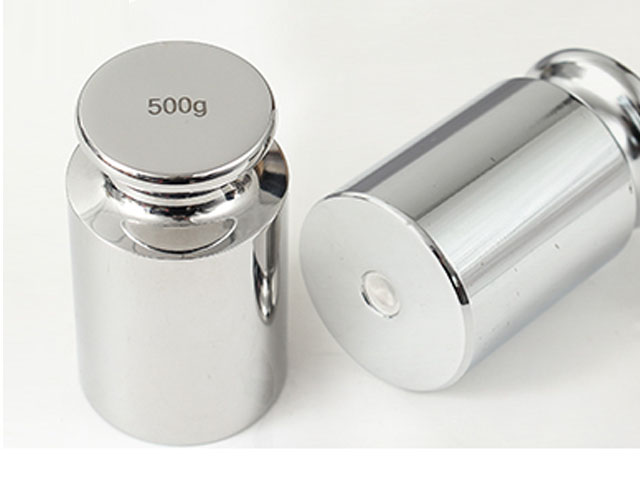
In addition to material-based classification, cast iron weights are more commonly classified by structural shape and practical application form in actual industrial and daily use, which can be divided into grip handle cast iron weights, nested slab cast iron weights, slotted cast iron weights, hanging cast iron weights, and integral counterweight cast iron weights, each designed according to different operation modes and use placement conditions to meet the convenient use and professional matching needs of different scenarios. Grip handle cast iron weights are the most widely used conventional structural type, with an integrated casting handle structure reserved on the upper part of the weight body, allowing operators to directly carry, move, and place the weights manually or with simple auxiliary tools. The overall structure of this type of weight is compact and regular, with smooth surface after anti-rust treatment, uniform mass distribution, stable placement after being placed flat, not easy to tilt or shift. Grip handle cast iron weights are available in various conventional specifications, suitable for manual daily calibration of various small and medium-sized weighing equipment, temporary weighing testing in warehouses and workshops, and simple mechanical partial counterbalancing work. The handle design greatly improves the convenience of weight handling, avoiding the difficulty of moving caused by the heavy weight of cast iron, and the integrated casting structure ensures firm connection between the handle and the weight body, no cracking or falling off during long-term repeated handling and use.
Nested slab cast iron weights adopt a flat thin plate integral structure, with no protruding handle design on the surface, and the overall size and thickness are standardized to allow multiple weights of the same specification to be closely nested and stacked together, saving storage and transportation space and facilitating centralized management and carrying. The flat structure of nested slab weights ensures extremely high placement stability, with a large contact area with the placement surface, not easy to slide or shift even on slightly uneven ground, and suitable for long-term fixed placement and large-capacity combined weighing calibration work. This type of cast iron weight is mostly used for calibration of large-capacity floor scales, truck scales, and port weighing equipment, requiring multiple weights to be combined and used to reach the required calibration mass standard. The nested design enables orderly stacking of idle weights, reducing occupied space in storage venues, and the integral slab structure has strong compression resistance, not easy to deform after long-term stacking and heavy pressure, maintaining consistent mass accuracy for a long time.
Slotted cast iron weights are designed with a standard penetrating groove in the middle of the weight body, matching special hanging rods and brackets, mainly used for suspended weighing calibration and dynamic mechanical counterbalancing work. Different from flat placed weights, slotted cast iron weights rely on the groove structure to be stably fixed on the designated position of mechanical equipment or weighing devices, suitable for vertical suspension stress environments and dynamic operation working conditions. The structural design of the groove is precise, ensuring close fit with matched rods and no sliding or displacement during equipment operation and weighing testing. Slotted cast iron weights have strong structural firmness, with the groove position reinforced during casting to avoid cracking at the stress concentration position during long-term suspension and use. They are widely used for calibration of suspended weighing equipment, counterweight adjustment of mechanical transmission parts, and load-bearing testing of hoisting equipment, meeting the special structural matching needs of non-flat placement use scenarios.
Hanging cast iron weights are professionally designed for long-term suspension and fixed counterbalancing work, with special hanging holes or hanging rings integrally cast on the weight body, dedicated to being hung on designated parts of ships, elevators, mining machinery, and other equipment for long-term fixed counterbalancing. This type of weight focuses on structural firmness and anti-fatigue performance, with the hanging part and the weight body integrally cast without subsequent welding processing, avoiding structural fracture caused by long-term suspension tension and vibration. Hanging cast iron weights have good anti-rust and anti-corrosion treatment on the surface, adapting to outdoor, marine, and humid working environments, preventing rust corrosion from affecting structural stability and mass accuracy. Unlike temporary use calibration weights, hanging cast iron weights are mostly used for permanent equipment counterbalancing, requiring long-term stable performance and no frequent replacement, so the structural design and material selection focus on durability and environmental adaptability.
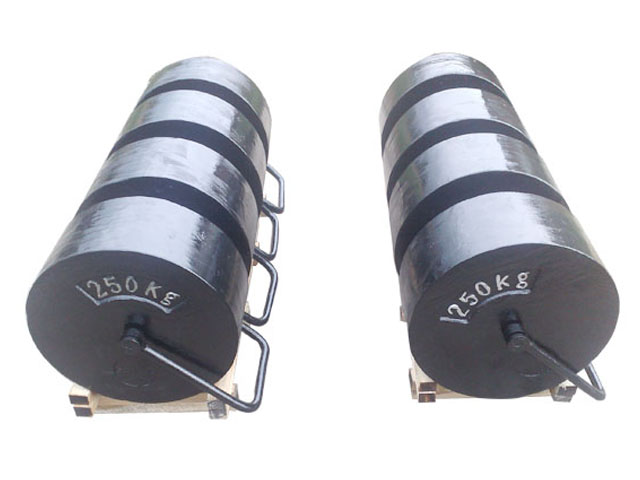
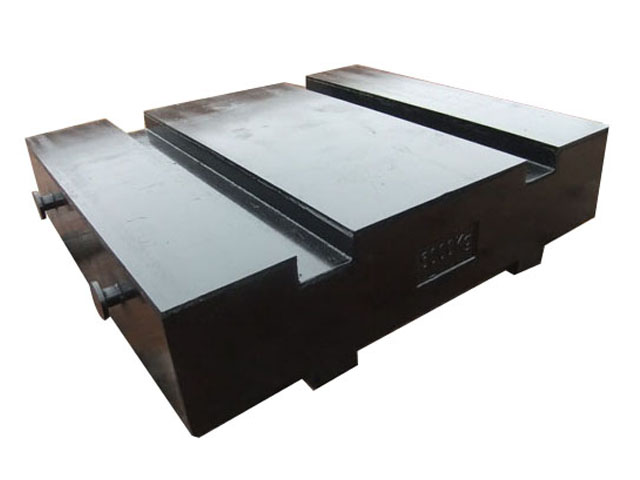
Integral counterweight cast iron weights are large-specification whole cast iron components with irregular or regular integral structures, customized and cast according to the overall counterbalancing needs of large mechanical equipment and engineering facilities, without single standard small-specification design. Such weights are large in volume and heavy in mass, integrally cast and formed according to equipment installation size and counterweight requirements, directly installed and fixed inside the equipment or at designated engineering positions to provide stable overall counterweight support. Integral counterweight cast iron weights have dense internal structure and strong overall stability, suitable for large engineering machinery, marine hull overall balance, power equipment foundation counterweight, and other large-scale scenarios, ensuring the overall operational stability and structural balance of large equipment and facilities.
All types of cast iron weights, whether divided by material properties or structural forms, follow the core design principle of matching performance with application scenarios, and the reasonable selection of weight type directly affects the efficiency of weighing work and the safety and stability of mechanical equipment operation. In actual selection and use, it is necessary to comprehensively consider the working environment stress conditions, use frequency, placement mode, and accuracy requirements, combine the material characteristics and structural advantages of different cast iron weight types, and select the most suitable weight product. With the continuous development of industrial production technology, the casting process and surface treatment technology of cast iron weights are constantly optimized, and the performance of various types of cast iron weights is continuously improved, better adapting to the increasingly diverse and rigorous use needs of modern industry, engineering construction, and related fields, providing solid and reliable basic support for stable production and accurate measurement work in various industries.
Types of Cast Iron Weight
https://www.veidtweighing.com/cast-iron-weights.html
Post Date: May 4, 2026
https://www.supplier-manufacturer.com/cast-iron-weight/types-of-cast-iron-weight.html

![Purposes of Calibration Weight]()
Purposes of Calibration Weight
In every field that relies on weighing and mass measurement as a core operational foundation, calibration weights stand as indispensable foundational tools that quietly un…![Calibration Weight Supplier]()
Calibration Weight Supplier
In every sector that relies on precise mass measurement as the foundation of daily operation and quality control, calibration weights stand as the most fundamental and ind…![5kg Test Weight]()
5kg Test Weight
In the complex and interconnected world of modern measurement operations, standardized physical reference objects form the invisible backbone of all quantitative data coll…![M1 Class Test Weight]()
M1 Class Test Weight
Understanding the relationship between physical load, bodily adaptation, and consistent movement practice stands as one of the most foundational yet deeply nuanced aspects…![50kg Cast Iron Weight]()
50kg Cast Iron Weight
Cast iron has long stood as one of the most dependable and widely utilized foundational materials for producing solid weight blocks across industrial, commercial, and prac…