Veidt Weighing
![Working Principle of Calibration Weight]()
Working Principle of Calibration Weight
May 3, 2026A calibration weight serves as a fundamental mass reference medium in all kinds of weighing measurement and instrument adjustment scenarios, undertaking the core task of unifying measured values and eliminating systematic deviations in weighing equipment operation. Its entire working logic is not limited to the simple external feature of being a solid metal block with fixed size and shape, but relies on a complete set of basic physical laws, precise material physical property control, and standardized force balance comparison mechanisms. Whether applied in laboratory fine weighing environments, industrial production batch weighing links, or daily metering equipment routine debugging processes, the essential working core of a calibration weight remains consistent, which is to use a stable and known mass foundation to provide a reliable comparison benchmark for various weighing instruments, so as to judge the operating state of the equipment and correct subtle measurement errors generated during long-term use. To fully understand the working principle of a calibration weight, it is necessary to start from the essential difference between mass and gravitational force, clarify the internal physical connection between the two, and then analyze how the structural design and material characteristics of the calibration weight maintain mass stability, and finally explain the actual operation mechanism of matching and comparing with different types of weighing equipment to complete calibration work.![Attribute of Calibration Weight]()
Attribute of Calibration Weight
May 3, 2026Calibration weights serve as foundational physical references for all weighing and metering operations across industrial production, laboratory research, commercial transaction measurement, and daily quality inspection work, acting as the tangible bridge that connects theoretical mass standards to practical weighing equipment application. The core value of these standard mass objects lies in their stable and consistent inherent attributes, which determine the reliability of every weighing result and ensure that various weighing instruments can maintain steady working performance during long-term repeated use and complex environmental exposure. Every inherent attribute of a calibration weight is carefully designed and precisely controlled in the manufacturing and finishing process, and each subtle characteristic interacts and restricts each other, jointly shaping the basic conditions for the weight to perform its calibration function effectively over a long service cycle. Understanding and mastering the various attributes of calibration weights is not only essential for technical personnel engaged in instrument calibration and metering management work but also a key prerequisite for prolonging the service life of weighing equipment, reducing measurement deviation, and maintaining the uniformity and consistency of mass measurement data in different usage scenarios and time periods.![Material of Calibration Weight]()
Material of Calibration Weight
May 3, 2026The material selection for calibration weights stands as one of the most foundational and impactful decisions in the entire design, production, and long-term application process of these essential metrological tools. Every calibration weight serves the core purpose of providing a stable, consistent, and reliable reference mass for verifying the accuracy, repeatability, and overall functional stability of various weighing instruments, ranging from high-precision laboratory analytical balances used in scientific research and pharmaceutical testing to robust industrial weighing scales deployed in manufacturing, logistics, and bulk material processing. The inherent physical and chemical properties of the material used to craft calibration weights directly determine how well the weight retains its original mass over extended periods of use, how it interacts with different environmental conditions, and how it performs during routine calibration and measurement operations. Even minor variations in material composition, structural density, surface stability, and resistance to external degradation factors can lead to gradual mass drift, subtle measurement deviations, and inconsistent calibration results that compromise the credibility of all subsequent weighing data generated by the calibrated equipment. For this reason, understanding the fundamental characteristics of common calibration weight materials, their respective functional advantages, inherent limitations, and ideal application environments is indispensable for anyone involved in metrological management, laboratory operation, industrial quality control, or regular equipment calibration maintenance.![Structure of Calibration Weight]()
Structure of Calibration Weight
May 3, 2026The structural design of calibration weights serves as the foundational guarantee for stable mass reference and consistent weighing calibration performance across laboratory testing, industrial production quality control, and daily weighing instrument verification work. Every structural component of a calibration weight is carefully engineered and precisely manufactured to maintain long-term mass stability, resist external environmental interference, and adapt to repeated handling and regular use in diverse working scenarios. Unlike ordinary counterweights used for simple mechanical balancing, calibration weights focus on structural rationality, dimensional uniformity, surface integrity, and internal structural stability in their overall construction, with each part closely coordinated to avoid any structural defects that might cause mass deviation, surface contamination accumulation, or physical damage during long-term service. The core purpose of the entire structural system is to ensure that the actual mass of each weight remains consistent with its nominal mass for an extended period, providing a reliable and uniform mass reference standard for all types of electronic balances, mechanical weighing scales, and precision weighing equipment in different application environments.![Maintenance of Calibration Weight]()
Maintenance of Calibration Weight
May 3, 2026Calibration weights serve as foundational physical references for all forms of precision weighing operations, supporting consistent and reliable measurement outcomes across laboratory testing, industrial production quality control, pharmaceutical formulation processing, and material performance research. Every weighing task that demands dependable data relies on the stable physical condition and consistent mass state of calibration weights, as even minor changes to their surface structure, material composition, or overall integrity can lead to noticeable deviations in final weighing readings. These small deviations, when accumulated over repeated testing and production batches, can gradually affect product quality stability, experimental data repeatability, and the overall operational efficiency of daily measurement workflows. For this reason, regular and systematic maintenance of calibration weights is not merely a routine operational task but an essential basic requirement to sustain the accuracy and long-term service life of weighing systems, ensuring that all measurement activities remain stable, consistent, and trustworthy throughout every stage of application and storage. Understanding the core principles of proper maintenance and implementing standardized daily care practices allows calibration weights to maintain their intended mass performance over extended periods, avoiding unnecessary mass drift, surface damage, and premature functional degradation caused by irregular handling or neglected upkeep.![Purposes of Calibration Weight]()
Purposes of Calibration Weight
May 3, 2026In every field that relies on weighing and mass measurement as a core operational foundation, calibration weights stand as indispensable foundational tools that quietly underpin the reliability and credibility of all numerical data generated by weighing instruments and measurement systems. Far beyond simple metal or solid mass objects placed on scales for routine checks, calibration weights serve as fundamental reference mediums that bridge theoretical mass definitions and practical on-site measurement practices, ensuring that every weighing action carried out in laboratories, manufacturing workshops, agricultural sites, food processing facilities, and research institutions stays aligned with unified and consistent measurement norms. All weighing equipment, whether high-precision analytical balances used for delicate scientific research or general industrial scales deployed for daily bulk material weighing, will gradually develop subtle deviations in reading performance over extended use, affected by long-term mechanical wear, continuous environmental changes including temperature fluctuations, humidity variations, air pressure shifts, and even minor structural vibrations in working spaces. Without regular and standardized calibration supported by professional calibration weights, these gradual deviations will slowly accumulate and expand, leading to inconsistent measurement results, unreliable experimental data, unstable product quality control, and even unnecessary disputes in material trading and resource distribution activities. The core purposes of calibration weights therefore extend far beyond the basic function of adjusting scale readings, covering multi-dimensional aspects such as maintaining measurement consistency, standardizing operational workflows, supporting scientific research progress, stabilizing industrial production quality, ensuring fair commercial transactions, and prolonging the stable service life of various weighing and measurement devices.![Specifications of Calibration Weight]()
Specifications of Calibration Weight
May 3, 2026Calibration weights serve as fundamental physical references for all types of weighing and measuring equipment, forming the foundational basis for maintaining consistent and reliable mass measurement results across laboratory research, industrial production, commercial metering, and quality inspection processes. The comprehensive set of specifications for calibration weights covers every core design and manufacturing dimension that directly impacts their performance, service life, and practical applicability, with each technical parameter carefully formulated to match diverse weighing scenarios, equipment precision requirements, and long-term usage environmental conditions. Every detail embedded in the specifications is designed to minimize external interference, maintain stable mass attribution over extended periods, and ensure that each calibration operation can effectively correct the deviation of weighing instruments, thereby unifying mass measurement standards in different usage scenarios and avoiding measurement discrepancies that may affect experimental data accuracy, product quality control, and standardized operational procedures. Understanding and adhering to the complete specifications of calibration weights is essential for selecting suitable weight products, conducting standard calibration work, and maintaining the long-term stability and reliability of weighing equipment in daily use.![Types of Calibration Weight]()
Types of Calibration Weight
May 3, 2026Calibration weights serve as fundamental physical standards in the entire field of metrology, forming the essential foundation for maintaining the accuracy, consistency, and reliability of all weighing and measuring equipment used across scientific research, industrial production, commercial trade, and quality inspection sectors. Every weighing instrument, no matter the size, design, or functional complexity, relies on matched calibration weights to complete regular calibration, error verification, and performance adjustment work, ensuring that measured mass data remains consistent with unified metrological specifications and meets the basic requirements of fair trade, precise experimental research, and standardized industrial manufacturing. The diversity of actual application environments, varying accuracy demands for weighing tasks, different usage frequency and handling conditions, and distinct long-term stability requirements for mass standards have driven the continuous development and diversification of calibration weight designs, leading to a wide range of calibration weight types differentiated by core production materials, accuracy grading standards, structural manufacturing designs, external shape characteristics, and targeted practical application scenarios. Understanding the core attributes, structural features, performance advantages, and applicable scope of each type of calibration weight is not only a necessary prerequisite for metrology practitioners to select appropriate mass calibration tools reasonably but also a key guarantee to extend the service life of calibration weights, reduce external interference affecting measurement accuracy, and maintain the long-term stability of the entire metrological measurement system. Each classification dimension of calibration weights is interrelated and mutually restrictive, and different types of calibration weights have their own unique design positioning and application boundaries, which cannot be substituted for each other in professional metrological work, requiring scientific matching according to actual working conditions and calibration objectives.![Calibration Weight Price]()
Calibration Weight Price
Apr 30, 2026The pricing of calibration weights is never determined by a single superficial factor or random market fluctuation, but by a complex and interconnected system of industrial, material, production, market, and application-related elements that collectively shape the overall market value and transaction orientation of these essential metrological tools. As foundational components for maintaining measurement accuracy across countless industrial production lines, laboratory testing environments, commercial weighing operations, and scientific research initiatives, calibration weights serve as the fundamental guarantee for consistent and reliable weight measurement data in every link of modern economic and technological development. Every subtle change in the entire supply chain from raw material procurement to finished product delivery, every adjustment in production processing standards and technical craftsmanship, every shift in market supply and demand dynamics and downstream application requirements, and every variation in regional production conditions and transportation logistics costs will subtly and profoundly affect the market pricing trend of calibration weights, forming a diversified and layered price differentiation pattern in the overall market. Understanding the core logic behind the pricing changes of calibration weights requires an in-depth exploration of the intrinsic connection between each influencing factor and product value, as well as the long-term operating rules of the entire calibration weight industry chain and the external economic and industrial environment in which it operates, rather than simply focusing on surface market transaction fluctuations or short-term market supply and demand adjustments.![Calibration Weight Vender In China]()
Calibration Weight Vender In China
Apr 30, 2026The global ecosystem of precision measurement relies heavily on stable and reliable mass reference tools, among which calibration weights stand as the most fundamental and indispensable component for maintaining measurement consistency across all industrial, laboratory, and commercial sectors. As the world’s core manufacturing hub for mechanical and precision hardware products, China has developed a mature and comprehensive industrial cluster dedicated to the production and distribution of calibration weights, forming a complete industrial chain that covers raw material processing, precision forming, surface treatment, fine finishing, batch production, and global market supply. Chinese calibration weight vendors have evolved from simple component processing workshops in the early stage to professional integrated manufacturers with independent production capabilities, mature technical accumulation, and rich market operation experience, gradually becoming a pivotal force supporting both domestic market demand and international mass measurement infrastructure construction. The development trajectory of these vendors is deeply intertwined with the overall upgrading of China’s manufacturing industry, the continuous expansion of global trade in measurement instruments, and the growing universal demand for measurement accuracy in various downstream industries, laying a solid foundation for their long-term stable development and global market layout.![Calibration Weight Wholesale]()
Calibration Weight Wholesale
Apr 30, 2026In the modern global industrial and commercial ecosystem, accurate weight measurement serves as the fundamental cornerstone of every production, trading, quality control, and regulatory supervision activity, and calibration weights stand as the most basic and indispensable measuring tools to maintain the long-term stability and reliable accuracy of all kinds of weighing equipment. Calibration weight wholesale has gradually evolved from a simple bulk commodity procurement business into a crucial industrial supporting link that connects upstream raw material processing and downstream industrial production, commercial circulation, and public metering supervision. Every enterprise, regardless of its scale and business scope, that relies on weighing instruments for daily operation and quality management cannot maintain standardized and consistent production and trading processes without a stable supply of high-quality, well-crafted, and reasonably matched calibration weight products. The essence of calibration weight wholesale lies not only in providing large quantities of standard weight products to various end users and distributors but also in delivering reliable measurement foundation, stable operational guarantee, and long-term cost control solutions for all sectors that depend on precise weighing, making it an irreplaceable part of the entire industrial supply chain and commercial service system.![Calibration Weight Production]()
Calibration Weight Production
Apr 30, 2026Calibration weights stand as the foundational backbone of all precise mass measurement activities across industrial production, laboratory research, commercial trade, and scientific exploration, serving as the tangible physical reference that unifies measurement consistency and ensures the reliability of every weighing instrument in daily operational use. The production of calibration weights is far more than a simple metal shaping and forming process; it is a sophisticated integration of material science, mechanical precision machining, physical performance optimization, and meticulous manual refinement, where every single production step is governed by strict dimensional stability, mass uniformity, and long-term environmental adaptability requirements. Unlike ordinary metal counterweights that only need basic shape and load-bearing functions, calibration weights demand unwavering mass permanence over years or even decades of use, minimal susceptibility to external environmental interference, and consistent surface and structural integrity that resists gradual wear, corrosion, and subtle physical deformation. Every stage of production, from the initial selection of raw metal materials to the final protective packaging of finished products, is executed with extreme attention to microscopic details, as even the tiniest deviation in material composition, machining precision, or surface treatment can lead to measurable mass drift and undermine the core purpose for which calibration weights are manufactured. The entire production workflow is designed to eliminate potential variables at every possible link, ensuring that each completed calibration weight can maintain stable and accurate mass attributes throughout its service life, whether deployed in high-precision laboratory weighing environments, harsh industrial workshop conditions, or frequent on-site calibration operations for various weighing devices.![Calibration Weight Manufacturer]()
Calibration Weight Manufacturer
Apr 30, 2026In the modern industrial and scientific measurement ecosystem, accurate mass measurement stands as the most fundamental and indispensable foundation for all production, research, quality control, and technological iteration activities. Every refined industrial product processing procedure, every precise laboratory research data record, every standardized commodity packaging and distribution link, and every stable industrial equipment operation adjustment cannot be separated from reliable weighing and measuring support. Calibration weights, as the core physical reference standard for unifying mass measurement values and correcting various weighing instruments, undertake the crucial mission of maintaining measurement consistency and data credibility across all walks of life. Professional calibration weight manufacturers are not merely simple metal processing producers, but key guarantors of the entire measurement system’s stability, accuracy and long-term reliability. Their production concepts, process control standards, material selection logic, and quality management methods directly determine the accuracy bottom line of terminal weighing equipment and further affect the quality stability of downstream industrial chains, scientific research achievements authenticity, and the standardization level of commercial circulation links. In an era where industrial upgrading is accelerating and precision measurement requirements are becoming increasingly stringent year by year, the professional manufacturing of calibration weights has evolved from a simple metal shaping process into a systematic engineering integrating material science, precision machining, surface treatment, environmental adaptation research and long-term stability optimization, requiring manufacturers to adhere to rigorous production concepts, pursue meticulous process control, and continuously optimize production systems to meet the diverse and high-standard measurement needs of different application scenarios.![Calibration Weight Supplier]()
Calibration Weight Supplier
Apr 30, 2026In every sector that relies on precise mass measurement as the foundation of daily operation and quality control, calibration weights stand as the most fundamental and indispensable mass reference standard, serving as the silent backbone that maintains the accuracy and stability of all weighing equipment across global industrial production, scientific research exploration, commercial trade settlement, and public quality supervision fields. A professional calibration weight supplier is far more than a simple provider of hardware products; it is a core strategic partner for enterprises, laboratories, research institutions, and regulatory departments to maintain measurement consistency, avoid measurement deviation risks, and stabilize overall operational quality. In the modern industrial system where every data precision matters and every measurement result directly affects product quality, production efficiency, and trade fairness, the comprehensive strength of a calibration weight supplier determines the long-term reliability of the entire measurement link for end users, and even influences the standardized operation and sustainable development of the entire downstream industry chain. Every batch of calibration weights delivered from formal and professional production bases carries rigorous production concepts, refined manufacturing techniques, and thoughtful service concepts, and each product is carefully crafted to meet the diverse and high-demanding measurement needs of different application scenarios, ensuring that every weighing instrument in use can maintain stable and accurate measurement performance for a long time and avoid various operational losses and quality hidden dangers caused by measurement inaccuracy.![What Is Calibration Weight]()
What Is Calibration Weight
Apr 30, 2026A calibration weight is a precisely fabricated standard mass designed to act as a stable and reliable reference for all kinds of weighing equipment. Unlike ordinary common weights used for simple daily weighing purposes, it is produced with strict craftsmanship to maintain consistent and steady mass under regular ambient conditions, avoiding slight changes that may affect measurement effects. Its core purpose is to check and adjust the working status of scales and balances, making sure every weighing reading taken by these devices stays accurate and consistent in long-term use. All weighing instruments will gradually develop minor measurement deviations after frequent use, long-time placement or regular external environmental interference, which can lead to unreliable data and affect follow-up work smoothly. People use calibration weights in many daily and professional scenarios, from fine laboratory testing and industrial production processing to daily commodity quality checking. Workers and operators place these standard masses on weighing equipment, compare the actual displayed data with the known standard mass value, and correct any existing measurement gaps in time. Regular use of calibration weights for routine checking effectively prevents inaccurate weighing results, avoids unnecessary errors and losses in production and testing work, and keeps all weight-based measurement work fair, stable and trustworthy all the time.![E1 Class Standard Weight]()
E1 Class Standard Weight
Apr 29, 2026Within the intricate and foundational realm of mass metrology, the role of precision reference artifacts remains irreplaceable for maintaining consistent, reliable, and traceable measurement outcomes across every sector of scientific research, industrial production, and institutional testing. E1 class standard weight stands as a core foundational artifact in this professional field, serving as a critical intermediate link that connects top-level mass reference preservation with daily high-precision weighing and calibration work in various scenarios. Unlike common weighing tools and ordinary calibration auxiliary components used in general production and daily life, this type of standard weight is designed, manufactured, and deployed with an exclusive focus on long-term mass stability, minimal environmental interference sensitivity, and ultra-tight deviation control in actual mass values, forming an essential cornerstone for ensuring that all mass measurement behaviors maintain unified and credible data basis in different regions, different time periods, and different application environments. Every design detail, material selection standard, processing production procedure, and subsequent management and maintenance specification of E1 class standard weight is formulated around the core goal of locking in accurate mass attributes and eliminating all potential factors that may cause mass fluctuation and measurement deviation, making it an indispensable basic hardware support for the standardized development of modern metrology systems.![Cast Iron Weight For Calibration]()
Cast Iron Weight For Calibration
Apr 29, 2026In the intricate and interconnected landscape of modern industrial production, commercial trade, and scientific measurement, the reliability of weighing data stands as an unshakable foundational pillar that supports every link of operational decision-making, quality control, and standardized management. All types of weighing equipment, whether heavy-duty industrial weighbridges bearing massive cargo loads, platform scales used in factory production workshops for material batching, precision floor scales for warehousing and logistics inventory statistics, or mechanical and electronic weighing devices deployed in port terminals and freight transportation hubs, rely on regular and professional calibration to maintain stable and consistent measurement performance over long-term use. Among all the auxiliary tools and testing supplies dedicated to the calibration and verification of such weighing equipment, cast iron weight for calibration has always occupied an irreplaceable core position, favored and widely adopted by various industries due to its excellent physical stability, robust mechanical durability, reasonable structural adaptability, and stable long-term mass retention performance. Unlike temporary weighing auxiliary tools or lightweight experimental measuring accessories, cast iron calibration weights are specially crafted and meticulously processed mass reference objects, designed to provide a unified and reliable mass benchmark for correcting the measurement deviation of various weighing instruments, eliminating accumulated errors caused by long-term equipment operation, external environmental interference, and mechanical component wear, and ensuring that all weighing behaviors in production, trade, and management activities can be carried out on the basis of accurate and credible data. The essence of calibration work lies in unifying the measurement standard of weighing equipment, and cast iron weights serve as the most direct and practical physical carrier of this standard, bridging the gap between theoretical mass values and actual weighing application scenarios, and enabling every weighing device to reflect real and accurate weight information when putting into daily use.![200kg Test Weight]()
200kg Test Weight
Apr 29, 2026In the complex and interconnected system of modern industrial production, logistics transportation, engineering construction and experimental testing, the stability and reliability of weighing measurement work run through every key link of operational development. All walks of life that rely on accurate weight data for production scheduling, quality control, equipment debugging and safety assessment need a stable and reliable reference carrier to unify measurement standards, correct weighing deviation and verify the stable operation of weighing equipment. The 200kg test weight stands out among various weight reference tools with its moderate single weight, strong structural adaptability and wide scenario compatibility, becoming an indispensable basic auxiliary facility in conventional measurement verification and daily equipment maintenance work across multiple fields. Unlike small-specification test weights that are only suitable for laboratory precision fine-tuning and ultra-large heavy weights that are difficult to transport and operate, this test weight achieves a perfect balance between single weight bearing capacity and on-site handling flexibility, and can adapt to both fixed indoor measurement workstations and complex outdoor field operation environments, providing solid and effective basic support for maintaining the consistency and accuracy of weighing data in various production and operation links.![1000kg Test Weight]()
1000kg Test Weight
Apr 29, 2026In the complex and interconnected framework of modern industrial production, material circulation, engineering operation, and scientific measurement, the consistency and reliability of weight measurement data stand as an invisible but indispensable foundation that supports the normal operation of all links in the entire industrial chain. Every sector that relies on quantitative weight statistics and load bearing testing cannot maintain stable and standardized operation without reliable reference weight standards, and the 1000kg test weight has gradually become one of the most widely used and practically significant standard load bearing and calibration tools in heavy-duty industrial scenarios after long-term industrial practice and practical verification. Unlike small test weights that are only suitable for laboratory fine measurement and light commercial weighing verification, this large-specification test weight is tailored for heavy-load weighing equipment, large-scale engineering load testing, mechanical balance debugging, and marine and port heavy-duty operation verification, bearing the core responsibility of unifying measurement benchmarks, correcting equipment deviation, verifying structural bearing performance, and eliminating potential operational risks in various heavy industrial environments. It exists not merely as a simple physical object with fixed mass, but as a crucial medium for converting theoretical measurement standards into on-site practical application effects, bridging the gap between metrological theoretical requirements and actual industrial operation conditions, and ensuring that all production, transportation, engineering construction, and equipment operation links based on weight data can proceed in a standardized, orderly, and predictable manner.![25kg Test Weight]()
25kg Test Weight
Apr 29, 2026In the complex and interconnected system of modern social production, commercial circulation, public infrastructure operation and daily life management, the accuracy and stability of measurement data have always been an invisible cornerstone that supports the orderly progress of all links. Every link from raw material proportioning in industrial production, commodity transaction settlement in market circulation to safety performance testing of public facilities and health monitoring in daily life cannot be separated from reliable weighing and measuring equipment, and all these measuring instruments need a stable, consistent and standardized mass reference object to complete regular verification, debugging and calibration work. The 25kg test weight stands out among various common mass reference tools due to its moderate mass specification, strong adaptability to multiple use environments, convenient handling and carrying characteristics, and wide matching performance with most mainstream weighing and testing equipment. It has become one of the most commonly used basic measuring accessories in various industries and field operation scenarios, silently ensuring the uniformity and rationality of measurement standards in different spaces and different working links, and avoiding various potential risks and losses caused by inaccurate measurement data and unqualified equipment operation. Unlike large-tonnage test weights that are only suitable for professional heavy industrial testing and small-specification test weights used for high-precision laboratory fine measurement, the 25kg test weight perfectly balances the needs of industrial practicality, on-site operability and measurement universality, and can seamlessly connect heavy-load industrial scale calibration, safety load testing of public equipment, routine daily verification of commercial weighing devices, and auxiliary testing of mechanical equipment stability, covering almost all conventional measurement and testing scenarios that enterprises, institutions and public management departments need to deal with on a daily basis.![10kg Test Weight]()
10kg Test Weight
Apr 29, 2026In the intricate and interconnected framework of modern industrial production, commercial trade, scientific laboratory research, and daily public service operations, the consistency and reliability of mass measurement stand as an invisible yet fundamental cornerstone that underpins all operational links and transactional behaviors. Every numerical value obtained from weighing equipment, whether it records the quality of raw materials entering a production line, the net weight of finished products delivered to market circulation, the experimental data collected in scientific research and material testing processes, or the accurate metering basis for agricultural product transactions and logistics cargo settlement, must rely on stable and standardized reference standards to ensure authenticity and uniformity. Among all kinds of mass reference tools used for daily weighing equipment verification, performance debugging, and periodic inspection, the 10kg test weight occupies an irreplaceable and pivotal position with its moderate mass specification, wide adaptive range, and excellent comprehensive applicability. Unlike ultra-small mass reference tools that are only suitable for high-precision micro-weighing scenarios or ultra-large mass counterweights that are limited to heavy industrial equipment calibration, the 10kg test weight perfectly balances portability for manual operation and practicality for conventional weighing detection, making it a commonly used and essential basic measuring auxiliary tool in almost all industries involving mass measurement work. Its existence is not merely a simple metal object with a fixed mass value, but a key medium for maintaining the accuracy of weighing systems, unifying measurement standards in different scenarios, and ensuring the fairness and order of all links related to mass metering.![5kg Test Weight]()
5kg Test Weight
Apr 29, 2026In the complex and interconnected world of modern measurement operations, standardized physical reference objects form the invisible backbone of all quantitative data collection and equipment performance verification, and a 5kg test weight stands out as one of the most practical and widely utilized foundational tools in this essential work. Every aspect of human production, life, scientific research, and commercial circulation relies on accurate and consistent weight measurement results, and without reliable test weights to calibrate, test, and verify various weighing and load-bearing equipment, all measured data would lose credibility and uniformity, leading to chaotic production processes, inconsistent product quality, unregulated commercial transactions, and even potential safety hazards in engineering and operational activities. The 5kg test weight, with its moderate mass specification, balanced physical volume, and convenient handling characteristics, perfectly bridges the gap between small-sized precision test weights used for laboratory micro-measurement and large heavy-duty test weights deployed for industrial heavy-load testing, making it adaptable to an extremely wide range of usage environments and operational requirements across different fields and work scenarios. Unlike oversized test weights that require mechanical assistance for movement and placement or miniature test weights that demand extremely strict environmental control and delicate manual operation, the 5kg test weight achieves an ideal balance between reference stability and operational flexibility, allowing operators of different skill levels and work scenarios to complete routine testing, periodic calibration, daily equipment inspection, and load performance verification work with simple manual handling and basic operational steps, without the need for complex auxiliary machinery, professional operational qualifications, or special environmental pretreatment procedures. This inherent practicality and adaptability are the core reasons why this specific mass test weight has become an indispensable basic tool in factories, laboratories, commercial markets, construction sites, logistics hubs, agricultural production bases, and public service institutions around the world, maintaining the normal and orderly operation of various measurement-related links every single day.![500kg Test Weight]()
500kg Test Weight
Apr 29, 2026In the complex and interconnected framework of modern industrial production, logistics transportation, engineering construction, and mechanical operation, the consistency and dependability of weight measurement data stand as an unshakable foundational pillar for all operational links. Every production batch processing, every equipment safety commissioning, every cargo transportation settlement, and every mechanical performance verification relies on accurate weight reference standards to maintain orderly and standardized operation. Among all the essential physical reference tools used for weighing verification and load simulation, the 500kg test weight occupies an irreplaceable and pivotal position in medium and large-scale measurement scenarios due to its moderate single-unit weight, flexible matching performance, strong structural stability, and wide environmental adaptability. Unlike small-specification test weights that are only suitable for precision calibration of miniature weighing devices or ultra-large counterweights that are limited to fixed mechanical balancing work, the 500kg test weight perfectly bridges the gap between small precision measurement and heavy-load industrial testing, adapting to diverse working conditions ranging from on-site rapid calibration of large platform scales and vehicle weighing equipment to safety load testing of lifting machinery, structural stress simulation of engineering facilities, and daily balancing adjustment of mechanical equipment. This practical tool is not merely a simple metal component with a fixed mass value, but a core guarantee for maintaining the accuracy of industrial weighing systems, ensuring the operational safety of mechanical equipment, standardizing industry measurement behaviors, and reducing potential operational risks in various production and operation activities. Its rational application, standardized management, proper handling, and scientific maintenance collectively determine the long-term stability of measurement results and the continuous safe operation of related industrial equipment, making it an indispensable basic configuration in every industrial production base, logistics hub, engineering construction site, mechanical processing factory, and professional measurement workplace.![2000kg Test Weight]()
2000kg Test Weight
Apr 29, 2026In the complex and interconnected ecosystem of modern industrial production, logistics transportation, engineering construction, and mechanical equipment operation, the stability and accuracy of load bearing detection and weighing measurement work serve as the fundamental cornerstone for maintaining orderly production links, ensuring operational safety, and unifying measurement standards across all scenarios. Among the various essential physical reference tools supporting such critical work, the 2000kg test weight stands out as a vital medium that bridges theoretical load parameter settings and actual on-site working condition verification. Unlike small-sized test weights that are suitable for laboratory fine calibration and low-load daily inspection, this heavy-duty test mass is specially designed and crafted to adapt to medium and large-scale load testing scenarios, covering the calibration of industrial weighing equipment, load bearing performance detection of lifting machinery, structural stress testing of engineering facilities, and routine safety inspection of large-scale handling equipment. Its existence enables every link involving weight measurement and load bearing assessment in industrial and engineering fields to obtain intuitive, reliable, and repeatable physical reference data, effectively avoiding potential operational risks and measurement deviations caused by inaccurate equipment operation, structural fatigue, or long-term service wear of mechanical components. The application of 2000kg test weight runs through the entire life cycle of industrial equipment from factory commissioning, daily operational use, regular performance inspection to later maintenance and renovation, becoming an indispensable basic guarantee for standardized and safe production in various industries.![250kg Test Weight]()
250kg Test Weight
Apr 29, 2026In the vast and intricate landscape of industrial production, mechanical operation, and metrological verification, the 250kg test weight stands as an indispensable foundational physical object that underpins the stability and credibility of all weight-related measurement and load-bearing testing work. Unlike ordinary heavy objects used for simple stacking or load bearing in daily scenarios, this type of test weight is crafted with rigorous attention to physical mass consistency, external structural stability, and long-term usage durability, serving as a reliable physical reference standard for countless industrial links that rely on accurate weight data and stable load simulation. Every production process, processing detail, and structural design of the 250kg test weight is focused on maintaining stable mass attributes under various complex environmental and operational conditions, ensuring that it can provide consistent and accurate reference basis whether applied to the daily verification of weighing equipment, the load-bearing performance testing of lifting machinery, the structural stress detection of engineering facilities, or the debugging and calibration of industrial production lines. In modern industrial systems that take data accuracy and operational safety as core development pillars, the value of standardized test weights such as the 250kg specification is far beyond simple mass display; it is a key guarantee for unifying measurement standards between different production links, maintaining the normal operating state of mechanical equipment, avoiding potential safety hazards caused by unqualified load-bearing performance, and ensuring the consistency and stability of product quality in large-scale batch production.![20kg Test Weight]()
20kg Test Weight
Apr 29, 2026In the modern industrial production system, daily measurement verification and routine equipment performance testing work run through every link of manufacturing, logistics processing, laboratory research and on-site engineering operation, and a stable and reliable mass reference carrier is always an indispensable basic condition to ensure the consistency and credibility of all measurement data. The 20kg test weight stands out among various mass reference tools for its moderate mass specification, strong scene adaptability and excellent structural stability, becoming a commonly used auxiliary tool in conventional weighing equipment debugging, load-bearing performance inspection of mechanical facilities, daily measurement calibration of on-site working conditions and repeated functional testing of industrial supporting equipment. Unlike temporary weight-bearing accessories or simple heavy objects used for casual stacking and pressing, this kind of test weight is designed and manufactured with a single core goal of maintaining stable mass output and consistent external structural state in long-term repeated use, and every detail from raw material selection, forming processing to surface treatment and structural optimization is formulated around the basic demand of adapting to complex on-site working environments and long-cycle regular use. Whether in closed and stable laboratory spaces, busy and noisy industrial production workshops, open-air logistics transfer yards with changing weather conditions, or engineering construction sites with harsh operation conditions, the 20kg test weight can maintain good working performance, provide stable and uniform mass reference standards for various testing and calibration work, and effectively avoid measurement deviation and test result distortion caused by unstable reference quality or easy damage of auxiliary tools.![M3 Class Test Weight]()
M3 Class Test Weight
Apr 29, 2026In the entire system of industrial measurement, commercial weighing and daily metering verification work, test weights stand as one of the most fundamental and indispensable supporting components that maintain the accuracy and stability of all weighing equipment in regular operation. Among all the different grades of test weights formulated for general practical use and routine calibration work, M3 class test weight occupies a pivotal and irreplaceable position, serving as a reliable bridge between basic metering standards and on-site actual weighing operations in various production, circulation and service links. Unlike higher-grade test weights that are mainly used for laboratory precision research, top-level standard value transmission and ultra-fine instrument calibration requiring extremely strict environmental control and professional operation specifications, M3 class test weight is designed and manufactured to adapt to complex and diverse on-site working environments, frequent daily use rhythms and conventional weighing equipment verification demands, balancing stable physical performance, convenient operation experience and strong environmental adaptability in every practical application scenario. The existence and widespread application of this type of test weight ensure that various mechanical weighing devices and electronic weighing instruments used in factories, retail markets, logistics warehousing, agricultural production and small and medium-sized processing enterprises can maintain consistent and reliable weighing data for a long time, avoiding data deviation caused by long-term equipment operation, frequent load bearing and external environmental interference, and laying a solid foundation for standardized production, fair commodity trading and accurate material statistics in all walks of life.![M2 Class Test Weight]()
M2 Class Test Weight
Apr 29, 2026In the complex and interconnected system of modern industrial production, commercial circulation and daily operational measurement management, standardized mass measurement has always been an indispensable basic support for maintaining orderly operational rhythms, ensuring consistent product quality and realizing fair and standardized transaction links. All walks of life that rely on weighing instruments to complete data recording, material batching, commodity settlement and quality inspection need reliable measurement benchmarks to ensure that every weighing result obtained from on-site equipment is consistent with unified metrological specifications and does not produce obvious deviations that affect production decisions and transaction behaviors. Among various graded test weights formulated based on unified metrological unified specifications, M2 class test weight occupies a pivotal and irreplaceable middle position in the entire precision measurement gradient, perfectly balancing basic precision requirements, durable structural performance and wide adaptive application scenarios, and becoming the most commonly used mass standard tool for connecting high-precision laboratory measurement and on-site conventional weighing work in various social production and business links. Unlike higher-level test weights that focus on ultra-fine measurement data control and are only suitable for stable laboratory environments with strict environmental control, and unlike lower-level common weights that are only used for rough mass estimation without strict error constraints, M2 class test weight is designed and manufactured to meet the daily calibration, regular verification and daily debugging needs of medium-accuracy weighing equipment, adapting to various complex on-site use environments, frequent handling operations and long-term continuous working conditions, and can maintain stable mass state and qualified error range for a long time under conventional industrial and commercial operation conditions. The value and significance of M2 class test weight are not only reflected in its basic function of providing standard mass reference, but also in its important role in maintaining the overall stability of the entire metrological transmission chain, ensuring the traceability of on-site weighing data, reducing measurement deviation risks in production and transactions, and helping all industries achieve standardized and refined measurement management.![M1 Class Test Weight]()
M1 Class Test Weight
Apr 29, 2026Understanding the relationship between physical load, bodily adaptation, and consistent movement practice stands as one of the most foundational yet deeply nuanced aspects of structured physical development, and the framework centered on M1 class test weight focuses entirely on how individuals interact with their own bodily mass to build steady physical capability, sustainable bodily resilience, and long-term functional vitality across all stages of consistent training progress. Every human body carries a unique physical composition that shapes how movement feels, how tissues respond to repeated physical stimulus, and how gradual adaptation unfolds over weeks, months, and years of dedicated physical work, and learning to work with one’s natural test weight rather than against it creates a stable foundation for progress that endures far beyond short-term physical fluctuations and temporary bodily adjustments. Many people approach physical practice with a narrow perspective focused only on superficial bodily changes, overlooking the critical truth that every movement performed under the natural load of personal body weight acts as a foundational stimulus that reshapes muscle tissue, joint stability, metabolic function, and overall bodily coordination in ways that support daily movement quality and long-term physical health alike. The M1 class approach to test weight engagement does not rely on external added load or artificial physical modifiers to drive progress, but instead prioritizes the intelligent, intentional, and progressive use of the body’s own inherent weight as the primary tool for building functional strength, balanced muscular development, and reliable physical stamina that serves everyday life and consistent training goals equally well.![F2 Class Test Weight]()
F2 Class Test Weight
Apr 29, 2026In the entire system of mass measurement and weighing calibration, F2 class test weight occupies an irreplaceable middle core position, connecting high-precision reference mass standards and daily industrial and laboratory weighing verification work, undertaking the key task of maintaining the consistency and traceability of mass data in various measurement scenarios. Mass measurement is one of the most basic and fundamental measurement links in all scientific research, industrial production, commercial circulation and material testing fields, and all weighing instruments, whether precision laboratory balances or conventional industrial weighing devices, need regular calibration and verification with qualified standard test weights to ensure that the measured data obtained in daily work is consistent with the true mass value of substances. F2 class test weight is designed and manufactured according to unified international measurement specifications, with reasonable accuracy tolerance range, stable physical performance and wide application compatibility, which can perfectly balance the demand for measurement accuracy and the adaptability of complex use environments, becoming the most commonly used standard mass carrier in most conventional precision measurement and daily calibration work scenarios. Unlike higher-level precision reference weights that are only suitable for strict constant-temperature and constant-humidity laboratory storage and use, F2 class test weight has excellent environmental adaptability and structural durability, and unlike ordinary low-level weighing auxiliary weights that have large error ranges and cannot support precise calibration work, it maintains a scientific balance between precision indicators and practical usability, making it the core foundational tool for realizing standardized and standardized mass measurement work in various industries and institutions.![F1 Class Test Weight]()
F1 Class Test Weight
Apr 29, 2026Weight management stands as one of the most foundational and intricately nuanced elements within the operational and technical framework of single-seater open-wheel motorsport at the highest competitive tier, where every gram of mass and its precise distribution across the chassis directly shapes on-track performance, handling responsiveness, mechanical grip, and long-term race durability. The formal class test weight protocols established for the category serve far beyond a simple compliance check, evolving into a core technical pillar that bridges regulatory governance, engineering design philosophy, on-track dynamic behavior, and strategic race weekend planning for every participating team across each full competitive season. Every phase of vehicle development, from the initial chassis design and power unit packaging in remote factory facilities to final fine-tuning adjustments in pit garages ahead of practice sessions, qualifying rounds, and main race events, revolves around adhering to structured weight testing standards while unlocking every possible performance benefit that comes from meticulous mass control and strategic weight placement. The balance between meeting mandatory baseline mass requirements and optimizing mass distribution for diverse track layouts, weather conditions, and race progression scenarios defines the fine line between consistent competitive performance and persistent on-track limitations that no amount of aerodynamic refinement or power unit calibration can fully overcome.![E2 Class Test Weight]()
E2 Class Test Weight
Apr 29, 2026In the intricate and foundational field of modern metrology, the consistency and credibility of all mass measurement activities rely heavily on standardized reference carriers that maintain stable physical properties and strictly controlled metrological performance, and E2 class test weight stands as one of the most essential and widely applied core reference tools in this systematic measurement ecosystem. As a vital intermediate link connecting top-level mass reference benchmarks and on-site precision weighing equipment calibration, this type of test weight occupies a unique and irreplaceable position in laboratory precision measurement, industrial quality control, scientific research experimentation, and daily metrological verification work. Unlike ordinary common weighing auxiliary tools that only meet basic rough weighing needs, E2 class test weight is designed and manufactured strictly in accordance with unified international metrological specifications, with every physical dimension, mass deviation, surface finish, and material stability index refined and controlled within a narrow and precise range, ensuring that every mass comparison and calibration operation it participates in can deliver consistent, repeatable, and reliable measurement results over long-term use and diverse application environments. The essence of E2 class test weight lies in its balanced combination of excellent inherent physical stability, controllable metrological tolerance range, and adaptable application flexibility, making it neither limited to the ultra-rigid usage conditions required by higher-level primary reference mass standards nor reduced to low-precision auxiliary weighing tools that cannot support high-accuracy measurement work, perfectly matching the mainstream precision calibration and daily verification demands of most high-resolution weighing instruments in professional scenarios across various industries and research fields.![E1 Class Test Weight]()
E1 Class Test Weight
Apr 29, 2026In the intricate and interconnected world of modern metrology, the pursuit of reliable and consistent mass measurement forms the foundational backbone of countless professional fields, spanning scientific research laboratory operations, industrial production quality control, pharmaceutical formulation development, material performance testing, and academic experimental verification. Every precise measurement result that supports technological progress and product qualification testing relies on a stable, accurate, and traceable mass reference standard, and E1 class test weight stands as one of the most essential and foundational components within this rigorous measurement ecosystem. These specialized mass reference artifacts are meticulously engineered to deliver steady and dependable mass reference values, serving as the critical intermediate link between top-level national mass measurement benchmarks and the various high-precision weighing instruments deployed in daily practical work scenarios. Unlike ordinary common weights used for simple rough weighing and basic household measurement needs, E1 class test weight is designed and manufactured exclusively for professional calibration, regular verification, accurate adjustment, and performance testing of high-sensitivity weighing equipment, undertaking the core responsibility of maintaining the uniformity, accuracy, and credibility of all mass measurement data across different industries and experimental environments. The subtle variations in mass measurement that ordinary weighing activities can ignore become decisive factors affecting experimental data validity, product batch consistency, and research conclusion credibility in professional scenarios, making the inherent performance and proper application of E1 class test weight an indispensable prerequisite for all high-precision measurement work to proceed smoothly and effectively.![Digital Balance Calibration Standard Laboratory Weight]()
Digital Balance Calibration Standard Laboratory Weight
Apr 28, 2026In every modern laboratory setting that relies on quantitative measurement data to support experimental research, material formulation, quality verification, and scientific analysis, the digital balance stands as one of the most fundamental and widely utilized weighing instruments. Unlike traditional mechanical weighing devices that depend on manual beam adjustment and visual alignment to achieve mass equilibrium, digital balances adopt advanced electromagnetic force compensation and high-sensitivity signal conversion structures, capable of converting the gravitational force generated by measured objects into stable electrical signals and presenting intuitive digital reading results through internal microprocessor operation. The reliability and stability of all data obtained from daily weighing work conducted on such digital balances are fundamentally dependent on regular and standardized calibration processes, and standard laboratory weight serves as the core reference medium that underpins the entire calibration work, forming an indispensable link to connect instrument performance adjustment and accurate mass value tracing. Without scientific and rigorous calibration carried out with qualified standard laboratory weight, even digital balances with sophisticated internal structural design and sensitive sensing components will gradually produce subtle measurement deviations during long-term use, frequent operation, and changes in external environmental conditions. These seemingly minor deviations will not only affect the accuracy of single weighing records but also accumulate and amplify in subsequent experimental data analysis, sample proportioning, and batch product performance testing, ultimately leading to distortion of experimental conclusions, unstable product quality, and even major deviations in industrial production parameter adjustment, making the entire measurement work lose its basic scientific rigor and practical guiding significance.![Stainless Steel Standard Weight]()
Stainless Steel Standard Weight
Apr 28, 2026Stainless steel standard weight represents one of the most fundamental and essential physical attribute benchmarks that define the practical usability and structural performance of stainless steel materials across all fields of production, manufacturing, construction, and daily consumption. Unlike superficial appearance characteristics or temporary surface effects, the standard weight of stainless steel is rooted deeply in the inherent alloy composition, internal metallurgical structure, and standardized production processes that shape every batch and every form of this widely applied iron-based alloy. For decades, stainless steel has stood out among various metal structural materials for its unique combination of corrosion resistance, mechanical stability, processing adaptability, and long service cycle, and its standard weight has always been a core reference indicator throughout material selection, structural design, processing production, transportation layout, installation construction, and later daily operation and maintenance. Understanding the connotation, formation mechanism, influencing factors, and practical application significance of stainless steel standard weight is not only a basic requirement for material researchers and engineering technicians but also an important premise for enterprises in various industries to reasonably arrange material allocation, optimize structural design schemes, control engineering comprehensive cost, and ensure the long-term stable operation of finished products and facilities. Every link from the initial smelting and alloy proportioning of stainless steel raw materials to the final forming and processing of finished products will have a subtle or direct impact on the consistency and compliance of standard weight, and maintaining the stability of standard weight within a reasonable and preset range has become a key symbol of standardized production and high-quality control in the stainless steel processing and manufacturing industry.![Precision Standard Weight]()
Precision Standard Weight
Apr 28, 2026In every corner of modern production, scientific research, commercial circulation, and daily quality supervision, the consistency and credibility of numerical measurement data have always been an invisible cornerstone supporting the orderly operation of all social and economic activities. Among all kinds of measurement tools and auxiliary equipment involved in mass measurement scenarios, precision standard weight stands out as an essential medium for realizing mass value transfer and measurement traceability, undertaking the core task of unifying measurement benchmarks in different spaces, different time periods, and different application scenarios. Unlike ordinary weighing tools that are directly used to measure the weight of goods, materials, or experimental samples, precision standard weight does not focus on direct weighing work in daily production and life. Instead, it acts as a stable and reliable mass reference object, relying on its stable physical properties, accurate mass attribution, and strict production and processing standards to calibrate, verify, and adjust various weighing and measuring instruments, ensuring that all weighing equipment used in laboratories, industrial production lines, commodity trading markets, and quality inspection institutions can maintain consistent and accurate measurement performance for a long time. The importance of such standard measuring objects is often overlooked by most people, because they rarely appear in front of end consumers and are hidden in professional metrology laboratories, factory quality control workshops, and professional measurement verification stations. However, without the support and guarantee provided by precision standard weight, all mass measurement behaviors will lose unified judgment criteria, and the data obtained from various weighing operations will become random and unreliable, leading to chaos in industrial production proportions, inaccurate experimental research data, unfair commodity trading settlement, and hidden dangers in product quality safety in various fields.![50kg Cast Iron Weight]()
50kg Cast Iron Weight
Apr 28, 2026Cast iron has long stood as one of the most dependable and widely utilized foundational materials for producing solid weight blocks across industrial, commercial, and practical operational environments, and the 50kg cast iron weight stands out as a core mainstream specification that strikes an ideal balance between substantial mass, structural stability, and versatile adaptability for countless daily and professional operational needs. Crafted through refined sand casting processes with carefully proportioned raw iron alloys, this solid weight unit is engineered to maintain consistent mass distribution, robust structural integrity, and reliable physical performance throughout years of continuous use, making it an indispensable basic component in scenarios ranging from weighing equipment verification and mechanical system debugging to strength training auxiliary work, engineering stability testing, and industrial equipment counterbalancing work. Unlike lightweight auxiliary weight tools that are only suitable for simple temporary use, the 50kg cast iron weight is built for heavy-duty cyclic operation, frequent handling, and long-term fixed placement, with its physical properties and structural design fully optimized to adapt to complex working environments and diverse practical functional requirements, avoiding the performance attenuation and structural deformation that often plague inferior weight products under prolonged working conditions. Every detail of its production, from raw material selection and smelting treatment to casting forming, surface finishing, and post-production shaping, is carried out with strict attention to dimensional uniformity and mass consistency, ensuring that each finished weight delivers steady and reliable performance no matter what application scenario it is deployed in.![Cast Iron Weight For Crane]()
Cast Iron Weight For Crane
Apr 28, 2026Cast iron weight for crane stands as an indispensable foundational component in the entire operating system of various crane equipment, serving as a core balancing and load-bearing part that underpins the stable and reliable operation of cranes across all working scenarios. In the complex and rigorous working environment of hoisting operations, every crane, whether it is a large tower crane engaged in high-rise building construction, a mobile truck crane traveling between urban engineering sites, a gantry crane undertaking heavy cargo handling at ports and freight yards, or a small and medium-sized overhead crane operating in factory workshops, relies heavily on cast iron weights to maintain mechanical balance, offset load torque, avoid structural tilting, and ensure the overall stability of the equipment during lifting, luffing, rotating and walking actions. Unlike ordinary mechanical accessories that only bear single structural connection or auxiliary support functions, cast iron weights for cranes bear the key responsibility of coordinating the force balance of the entire crane mechanical system, rationally distributing the overall stress of the equipment frame and chassis, and resisting external interference forces generated by load changes, working angle adjustments and on-site environmental factors throughout the whole working cycle of the crane from startup, operation to shutdown and reset. The rational selection of material composition, scientific structural design, standardized casting and processing technology, and standardized daily maintenance and management of cast iron weights are all directly related to the operating safety stability, long-term service life and continuous working efficiency of crane equipment, and even affect the personal safety of on-site operators and the overall progress and safety of the entire hoisting engineering project. In the field of modern industrial hoisting and engineering construction, with the continuous upgrading of crane manufacturing technology and the gradual expansion of hoisting operation scope and load demand, the performance requirements for cast iron weights for cranes are constantly improving, and this traditional casting accessory has also evolved from a simple heavy block structure in the early stage to a professional industrial component integrating material optimization, precision casting, structural mechanics design and adaptive environmental protection treatment, adapting to the diversified and complex working conditions of various cranes and providing solid basic guarantee for the safe development of hoisting work in various industries.![25kg Cast Iron Weight]()
25kg Cast Iron Weight
Apr 28, 2026In the vast landscape of industrial production, daily operational maintenance, engineering construction, and routine equipment debugging, reliable mass objects with stable physical properties and strong adaptive capacity have always served as indispensable foundational supporting components. The 25kg cast iron weight stands out as one of the most widely utilized and practically valuable items in this category, favored by various sectors for its balanced mass specification, solid material foundation, rational structural design, and enduring service life. Unlike lightweight auxiliary mass tools that are only suitable for simple household or small-scale experimental use, this cast iron weight strikes a perfect balance between single-unit weight and manual handling feasibility, neither being too light to meet the load-bearing and calibration demands of large-scale equipment nor too heavy to cause unnecessary labor burden during daily movement and placement. Its core value lies in providing consistent, stable, and controllable mass support for all links that require precise weight reference, mechanical balancing, load testing, and structural pressure stabilization, becoming a silent and reliable helper behind the smooth operation of countless production lines, engineering projects, and mechanical equipment. The inherent physical characteristics of cast iron materials lay a solid foundation for the stable performance of this weight in various complex working environments, while mature casting processing technology and humanized structural optimization further enhance its practicability and durability, enabling it to maintain stable working conditions for a long time even in dusty, humid, high-frequency use, and outdoor open-air placement scenarios.![Cast Iron Weight For Scales]()
Cast Iron Weight For Scales
Apr 28, 2026In every sector that relies on consistent and dependable mass measurement, cast iron weight for scales stands as an irreplaceable foundational component that upholds the integrity of all weighing operations. From small-scale commercial weighing setups used in local trading environments to large industrial weighing systems handling heavy bulk materials and equipment, these robust cast iron weights serve as the steady reference standard that ensures every scale delivers consistent and trustworthy measurement results over long-term daily use. Unlike temporary measuring accessories or lightweight calibration tools that wear down easily or lose stability with regular handling, cast iron scale weights are engineered specifically to maintain stable mass retention, structural solidity, and long-lasting performance even under harsh working conditions, frequent movement, and continuous exposure to changing ambient environments. The core purpose of these weights extends far beyond simple counterbalancing on mechanical scales; they act as the essential calibration medium, routine testing tool, and verification reference that confirms whether any weighing device maintains proper functional status and accurate reading output throughout its service life. Without properly manufactured, well-maintained, and appropriately selected cast iron weights for scales, all weighing data generated by mechanical platform scales, electronic floor scales, beam balance scales, and heavy-duty industrial weighing equipment would lack credibility, leading to inconsistent operational records, inaccurate transaction settlements, and unreliable production quality control outcomes across countless professional and commercial fields.![M1 Class Cast Iron Weight]()
M1 Class Cast Iron Weight
Apr 28, 2026In the intricate and interconnected ecosystem of industrial measurement and metrological calibration, M1 class cast iron weight stands as an indispensable foundational component that underpins the reliability and consistency of all weighing operations across diverse production, logistics, manufacturing and institutional testing sectors. Weighing measurement forms the basic backbone of every industrial activity, from raw material proportioning in production workshops and cargo weight verification in logistics hubs to equipment debugging in processing plants and routine testing in public metrological management work, and the stability and accuracy of all weighing data ultimately rely on the reliable performance of standard weights used for regular calibration and verification. Among all types of standard weights available for conventional industrial and general precision measurement scenarios, M1 class cast iron weight has always maintained a steady and widely recognized application status, balancing excellent physical performance, stable structural reliability, strong environmental adaptability and reasonable service life cycle advantages, making it the preferred choice for most medium-precision weighing calibration and daily weighing equipment verification work. Unlike high-precision metal weights designed for ultra-fine laboratory measurement scenarios that require extremely strict environmental control and frequent professional debugging, M1 class cast iron weight is specially engineered to adapt to complex on-site industrial working conditions, resisting conventional mechanical impact, temperature and humidity changes, and long-term repeated handling and placement wear, while maintaining consistent mass stability within the required tolerance range for a long time, meeting the daily operational needs of most industrial weighing links without excessive use threshold and complex maintenance procedures.![High Accuracy Test Weight]()
High Accuracy Test Weight
Apr 28, 2026High accuracy test weight stands as a foundational physical reference tool embedded deep within the core of modern measurement and industrial production systems, serving as the tangible bridge between theoretical mass parameters and practical weighing detection work across all walks of life. Unlike ordinary daily-use weights that only meet rough mass matching needs, this kind of test weight is crafted with rigorous production processes and precise mass control concepts, focusing on maintaining stable and consistent mass attributes for a long time and providing reliable reference benchmarks for various weighing equipment debugging, performance checking, and daily operational correction. In every scenario where mass measurement data needs to maintain stability and consistency, from sophisticated laboratory scientific research and precision electronic component manufacturing to large-scale industrial production line weighing detection and commodity circulation metering management, high accuracy test weight plays an irreplaceable basic role, quietly supporting the normal operation of measurement order and the stable quality control of various products. The essence of using high accuracy test weight lies in unifying the measurement standards of different weighing instruments in different spaces and time periods, eliminating measurement deviations caused by equipment aging, environmental changes, and long-term use wear, and ensuring that every mass data obtained by weighing equipment can reflect the real and objective state of the measured object, without random deviation or cumulative error affecting subsequent production, research, and transaction links.![Test Weight Sets]()
Test Weight Sets
Apr 28, 2026Test weight sets stand as foundational reference tools in every field that relies on reliable mass measurement, forming the essential bridge between theoretical mass standards and practical daily weighing operations across industrial production, laboratory research, commercial trade, manufacturing processing, and quality inspection workflows. These assembled collections of standardized individual weight pieces are meticulously crafted to maintain consistent and stable mass values under conventional working conditions, serving as the core reference benchmark for verifying, adjusting, and calibrating all types of weighing equipment, from compact desktop precision balances used in scientific laboratories to large-scale floor scales and industrial load-bearing weighing devices deployed in production workshops and logistics hubs. Every reliable weighing result obtained in any professional environment ultimately traces back to the stability and precision maintained by well-managed test weight sets, as these tools ensure that every reading generated by weighing instruments remains aligned with uniform mass measurement norms, eliminating random deviations and inconsistent measurement data that could otherwise disrupt production processes, experimental research outcomes, and standardized trade transactions. Unlike ordinary heavy objects that carry no fixed mass reference significance, each component within a test weight set undergoes careful shaping, surface finishing, and mass adjustment during production, with every individual weight sized and proportioned to fit seamlessly into a complete system that supports flexible combination for meeting diverse weighing calibration and testing needs of different equipment and varying load ranges. The rational design of test weight set configurations allows users to select single weight pieces or combine multiple units according to actual operational requirements, making these sets highly adaptable for routine daily calibration, periodic equipment testing, and detailed precision verification for newly installed or repaired weighing machinery in all professional scenarios.![Industrial Test Weight]()
Industrial Test Weight
Apr 28, 2026In the complex and interconnected landscape of modern industrial production, material circulation, and mechanical operation, accurate weight measurement stands as one of the most foundational and indispensable basic links that support the stable advancement of all production and operational activities. Every production process involving material proportioning, product quality inspection, equipment load testing, cargo transportation metering, and mechanical performance verification cannot be separated from reliable weighing data support, and industrial test weights have long served as the essential physical reference standard that maintains the long-term stability and consistent accuracy of all kinds of industrial weighing equipment and mechanical load detection systems. Unlike ordinary daily-use weight tools that only meet simple household weighing and preliminary measurement needs, industrial test weights are professionally manufactured physical mass artifacts designed specifically for industrial scene application characteristics, harsh working environment conditions, and long-term repeated use demands. They carry the core function of unifying weighing measurement benchmarks, correcting measurement deviation of weighing instruments, verifying the stable working state of mechanical load-bearing structures, and ensuring the consistency and credibility of all weight-related industrial data throughout the entire production and operation cycle of enterprises. In every corner of heavy industry manufacturing, light industry processing, logistics and warehousing, construction engineering, mechanical equipment manufacturing, and special industrial production fields, these unassuming but highly practical industrial test weights silently underpin the standardized operation of industrial systems, avoiding production quality fluctuations, operational safety risks, and economic operation losses caused by inaccurate weighing data and untested mechanical load performance.![Laboratory Test Weight]()
Laboratory Test Weight
Apr 28, 2026Within every professional laboratory environment, regardless of whether the core work focuses on scientific research, material analysis, experimental formulation, or routine measurement verification, the consistency and credibility of all experimental data and detection results rely entirely on the stability and accuracy of basic measurement conditions. Among all the auxiliary tools and standard supplies deployed in laboratory daily operations, the laboratory test weight stands as one of the most unassuming yet irreplaceable foundational components, quietly supporting the normal operation of all weighing-related experimental links and ensuring that every numerical data obtained from weighing instruments can reflect real and reliable physical attributes of measured substances. Unlike experimental reagents that directly participate in chemical reactions or analytical instruments that complete data collection and display through complex mechanical and electronic structures, laboratory test weights do not undertake any experimental reaction work or data analysis tasks; their core and only essential role is to serve as a stable and uniform mass reference standard, providing a fixed and reliable comparison basis for various weighing and balancing equipment used in laboratories, and building an unshakable basic foundation for all subsequent experimental research, data recording, result comparison and experimental conclusion derivation. In the entire system of laboratory measurement work, the accuracy of test weights is not just a simple technical requirement for tool use, but a core prerequisite to ensure the repeatability of experimental processes, the comparability of experimental data across different time periods and different experimental groups, and the authenticity and validity of all final experimental research outcomes. Without standardized, well-maintained and properly used laboratory test weights, even the most sophisticated and high-precision weighing analytical instruments will gradually produce measurement deviations during long-term use, and these subtle deviations will continue to accumulate and amplify in continuous experimental operations, eventually leading to distorted experimental data, confusing experimental phenomena, and even completely wrong research judgments and experimental conclusions, which will seriously hinder the progress of scientific research work and affect the effectiveness of experimental exploration and practical application transformation of related research results.![Scale Test Weight]()
Scale Test Weight
Apr 28, 2026In every corner of modern production, daily commercial transactions, scientific research experiments, and basic industrial operation management, weighing measurement stands as one of the most foundational and indispensable technical links that support orderly operational progress and consistent product quality control. Every numerical reading displayed on various weighing devices, whether used for tiny laboratory sample detection, daily commodity bulk weighing, large industrial raw material metering, or logistics transportation cargo weight statistics, needs to maintain a high degree of consistency and authenticity to ensure that all subsequent production decisions, transaction settlements, and experimental data analysis can be based on credible and objective basic data. Without effective and regular verification and correction of weighing equipment, even the most sophisticated and well-manufactured weighing instruments will gradually produce subtle measurement deviations during long-term continuous use, frequent mechanical vibration, external environmental interference, and daily operational wear and tear. These seemingly negligible small deviations will not only affect the accuracy of a single weighing record but also gradually accumulate and amplify in continuous production batches and long-term operational processes, eventually leading to unqualified product quality, inconsistent transaction settlement standards, unreasonable resource allocation, and even unnecessary operational risks and economic losses for enterprises and institutions. Scale test weight exists precisely to solve this core problem of maintaining long-term weighing accuracy and stabilizing measurement consistency, serving as a reliable reference standard that connects various weighing instruments with unified and standardized measurement benchmarks, and running through the entire life cycle of installation commissioning, daily use, regular inspection, routine maintenance, and long-term performance monitoring of all types of weighing equipment.![Balance Test Weight]()
Balance Test Weight
Apr 28, 2026In every corner of modern production, scientific research, daily industrial operation and experimental exploration, the reliability of numerical measurement data has always been an invisible cornerstone that supports the normal progress of all work links. Among all kinds of measurement work involved in mass and weight detection, balance test weight stands as an indispensable basic auxiliary component, quietly undertaking the core task of maintaining the accuracy and stability of various weighing and balancing equipment. Unlike complex precision measuring instruments that are equipped with sophisticated electronic components and intelligent control systems, balance test weight follows the most simple and original physical logic, relying on stable mass attributes and standardized physical specifications to provide a unified reference benchmark for all balance and scale measurement work. Whether in quiet laboratory environments where subtle data changes determine the success or failure of experimental research, in busy industrial production workshops where batch product quality inspection is carried out continuously, in commodity circulation links that need to ensure fair measurement transactions, or in professional manufacturing fields that require precise component matching and assembly calibration, the reasonable use and regular maintenance of balance test weight are always the primary prerequisite to ensure that all weighing data is true, effective and consistent. The value of balance test weight is never reflected in complicated structural design or diverse functional expansion, but in the long-term stable mass performance it maintains, the high matching degree with different types of balancing equipment, and the reliable guarantee it provides for every single measurement behavior that people rely on to make judgments and decisions.![Kilogram Test Weight]()
Kilogram Test Weight
Apr 28, 2026In every corner of modern industrial production, scientific research experimentation, commercial transaction settlement, and daily life quality supervision, the accurate perception and reliable quantification of mass have always been an indispensable basic prerequisite for maintaining the orderly operation of all social and economic activities. Mass, as one of the most fundamental physical quantities recognized by the international measurement system, serves as the core connection linking physical scientific research, industrial manufacturing standards, and fair trade norms, and all measurement behaviors related to material quality, product specification matching, and experimental data verification cannot be separated from unified and stable mass reference standards. Among all the physical carriers used to realize the transmission and traceability of mass unit values, the kilogram test weight stands out as the most basic, most widely used, and most critical physical medium, undertaking the important mission of docking theoretical mass definition with practical measurement operations, and bridging abstract metrological concepts with specific production and life scenarios. Unlike complex precision measuring instruments that rely on electronic sensing, electromagnetic conversion, or mechanical linkage structures to complete measurement work, the kilogram test weight follows the most original and intuitive principle of mass balance comparison. Its core value lies in maintaining long-term stable mass attributes, providing a fixed and unified reference benchmark for various weighing equipment and mass measurement behaviors, and ensuring that every mass measurement result obtained in different regions, different industries, and different usage environments has consistent comparability and credibility, laying a solid foundation for the standardization and normalization of all measurement-related work.![Gram Test Weight]()
Gram Test Weight
Apr 28, 2026In the intricate and interconnected world of mass measurement, few tools hold as much quiet significance and foundational importance as the gram test weight. Often overlooked in daily life and even in many routine professional workflows, this simple yet essential measuring component serves as the silent foundation for every accurate small-scale mass reading across countless fields and scenarios. To understand the true role and inherent value of the gram test weight, it is first necessary to distinguish between the common everyday perception of weight and the scientific definition of mass, a subtle but critical differentiation that shapes every application of these practical measuring tools. Within the international metric measurement system, the gram stands as a core subunit of mass, representing one thousandth of a kilogram, and it is specifically designed for quantifying small, delicate quantities of matter that larger mass units cannot accurately capture or reflect. A gram test weight, by its basic nature, is a physical object manufactured to align with the standardized mass of one gram, crafted with careful attention to consistent material density, uniform structural formation, and stable physical properties that allow it to act as a reliable reference point for calibrating, verifying, and adjusting all kinds of weighing equipment used for fine mass measurement. Unlike casual everyday objects that happen to have an approximate mass of one gram, such as a standard small paperclip or a single thin banknote, a gram test weight is purposefully engineered and processed to maintain long-term mass stability, resisting minor fluctuations caused by regular handling, subtle environmental changes, and routine contact with surrounding elements, ensuring that it delivers consistent and dependable reference performance every single time it is put into use.![Cast Iron Test Weight]()
Cast Iron Test Weight
Apr 28, 2026Cast iron test weights stand as foundational physical measuring artifacts that underpin the entire operational logic of modern weighing and metrological systems across all industrial, commercial, educational, and public infrastructure sectors. As essential physical mass references, these solid metal components are engineered to provide consistent, repeatable, and reliable mass reference points for the calibration, verification, routine testing, and daily debugging of various weighing equipment and load-bearing measurement devices. Unlike temporary measuring tools or disposable auxiliary testing parts, cast iron test weights are designed for long-cycle repetitive use, adapting to complex on-site working environments, frequent handling operations, and continuous long-term placement requirements in different spaces, becoming an indispensable basic guarantee for maintaining the uniformity and consistency of mass measurement data in all links of social production and circulation. The inherent physical properties of cast iron materials, mature and stable casting and processing technologies, flexible and diverse structural design forms, and scientific and standardized use and maintenance systems together shape the core practical value of cast iron test weights, enabling them to maintain stable performance and reliable mass accuracy in various harsh working conditions and long-term service cycles, and effectively support the normal and standardized operation of weighing measurement work in all walks of life.![Standard Calibration Weight]()
Standard Calibration Weight
Apr 28, 2026In every corner of modern production, scientific research, experimental analysis, and daily industrial operation, the reliability of weighing data stands as an invisible foundation that supports all quantitative work and quality control links. Any weighing instrument, whether a delicate laboratory analytical balance used for micro sample testing or a large industrial platform scale deployed for bulk material weighing, will gradually produce subtle measurement deviations after long-term use, frequent mechanical vibration, environmental humidity and temperature changes, and continuous mechanical wear of internal components. These deviations do not appear suddenly in a drastic form but accumulate slowly over time, gradually making the displayed measurement value inconsistent with the actual true mass of the measured object. Without regular and professional calibration correction, such small deviations will eventually evolve into obvious measurement errors, affecting product production quality, experimental data authenticity, industrial batch processing consistency, and even the smooth progress of scientific research exploration and industrial process iteration. Standard calibration weights exist precisely to solve this core measurement stability problem, serving as a stable and reliable mass reference medium that connects all kinds of weighing instruments with unified and consistent mass measurement benchmarks. Unlike ordinary counterweights or auxiliary weighing accessories used for simple weighing balancing, standard calibration weights are specially designed and processed mass objects with fixed and accurate mass values, stable physical properties, and long-term structural stability. Their core function is not to participate in daily material weighing and counting work directly, but to act as a unified reference standard, helping operators detect the measurement deviation of various weighing equipment, complete accurate parameter adjustment and performance verification, and ensure that all weighing data obtained by different instruments in different time periods and different working scenarios maintain good consistency and credibility.![Stainless Steel Calibration Weight]()
Stainless Steel Calibration Weight
Apr 28, 2026In every field that relies on consistent and trustworthy mass measurement, the role of stainless steel calibration weights remains irreplaceable, serving as the fundamental physical reference that bridges theoretical metrological standards and practical daily weighing operations. All forms of weighing equipment, from delicate laboratory analytical instruments used for microscale substance testing to robust industrial platform scales deployed for bulk material counting and heavy goods weighing, depend entirely on these specially manufactured mass references to maintain stable and consistent measurement performance over long-term use. Without reliable calibration weights made from high-quality stainless steel, even the most sophisticated and well-designed weighing devices will gradually produce inconsistent and deviated readings under the influence of environmental changes, continuous mechanical operation, and long-term component wear, leading to unreliable data results that affect every subsequent production link, experimental conclusion, and quality judgment. The essence of a stainless steel calibration weight lies in its ability to maintain a stable and unchanging mass state for an extended period, adapt to various complex use and storage environments, and provide a unified and credible mass benchmark for all types of weighing equipment calibration, routine verification, and daily accuracy inspection work, making it an indispensable basic component in modern metrology, industrial manufacturing, scientific research experimentation, and commercial quality control fields.![Scale Calibration Weight Set]()
Scale Calibration Weight Set
Apr 28, 2026In every sector that relies on numerical weighing data to guide operations, make decisions, or maintain consistent output, the stability and accuracy of weighing equipment stand as an unshakable foundational requirement. Whether it is daily material proportioning in production workshops, precise sample testing in laboratory environments, routine weighing verification in commercial trading scenarios, or fine measurement work in handmade craftsmanship and small-batch customized processing, all weighing instruments, no matter sophisticated or simple in structure, will gradually produce subtle deviations in readings after long-term use, frequent vibration, environmental changes, and regular mechanical wear. These tiny deviations may seem negligible at first glance, but as time accumulates and measurement times increase, they will gradually expand, leading to inconsistent data recording, unqualified product quality, unstable experimental results, and even unnecessary resource waste and operational confusion. This is where a scale calibration weight set plays an irreplaceable and fundamental role, serving as a reliable mass reference standard that connects weighing instrument performance and actual measurement authenticity, and becoming an essential supporting tool for every scenario that pursues credible weighing data. A scale calibration weight set consists of a series of matched mass units with stable physical properties and consistent preset mass values, which are specially designed for regular checking, testing, adjustment and calibration of various mechanical and digital weighing tools. Different from ordinary counterweights or random heavy objects used for temporary pressing and fixing, every single weight contained in the set is manufactured and processed following unified and standardized production specifications, with strict control over material density, surface finish, overall structural stability and long-term mass retention performance in the production process. Each weight maintains a fixed and stable mass state under conventional use and storage conditions, and will not easily change with slight fluctuations in external temperature, humidity or short-term mechanical contact and collision. The core working logic of using such a weight set is simple and clear in principle, yet extremely rigorous in practical application: placing these known and stable mass weights on the weighing platform of various scales and balances, observing the displayed readings of the weighing equipment, comparing the displayed data with the inherent standard mass value of the calibration weights, and then making reasonable fine-tuning and parameter correction for the weighing equipment according to the gap between the two data, so that the weighing instrument can return to a stable and accurate measurement state again.![Scale Calibration Weight]()
Scale Calibration Weight
Apr 28, 2026Scale calibration weight stands as an essential foundational tool in the entire field of modern measurement and weighing operations, serving as the fundamental reference medium that bridges weighing equipment and consistent mass measurement results across all walks of life. In every scenario where weighing data is required to be stable, consistent, and trustworthy, these specially crafted mass objects play an irreplaceable role in maintaining the normal operation of weighing systems and standardizing measurement behaviors. Unlike ordinary counterweights or common metal blocks used for simple pressing and fixing purposes, scale calibration weight is produced with rigorous production processes, strict dimensional control, and stable physical property maintenance, focusing entirely on providing a fixed and reliable mass reference value rather than meeting structural bearing or auxiliary fixing needs. The core essence of using scale calibration weight lies in building a unified comparison benchmark, allowing all types of mechanical and digital weighing instruments to align their internal sensing systems, mechanical transmission structures, and data calculation programs with real mass values, thereby eliminating the gradual deviations that inevitably occur during the long-term use of weighing equipment and ensuring that every weighing output reflects the true mass state of the measured object. Whether in fine laboratory testing environments, daily industrial production and processing links, commodity circulation and transaction scenarios, or small-scale workshop manufacturing and household precision weighing work, the reasonable use and proper maintenance of scale calibration weight directly determine the credibility of final weighing data, and further affect product quality control, production process coordination, transaction fairness, and even experimental research accuracy in various fields.![Precision Calibration Weight]()
Precision Calibration Weight
Apr 28, 2026Precision calibration weight stands as an essential foundational element within the entire framework of modern mass measurement and industrial metrology, serving as a tangible and reliable reference medium that bridges theoretical mass standard values and practical weighing operation scenarios. In every scenario that requires reliable and repeatable mass data output, from sophisticated laboratory analytical testing to continuous mass detection in industrial production lines, from quality control verification in daily manufacturing processes to accurate parameter debugging of precision weighing equipment, these specially crafted mass pieces undertake the core task of unifying measurement benchmarks and eliminating measurement deviations. Unlike ordinary counterweights or common weighted objects used for simple pressing and balancing purposes, precision calibration weight is designed and produced with a singular core focus on maintaining stable and consistent mass attributes over long-term use and complex environmental changes, ensuring that every comparison and adjustment operation conducted with its participation can reflect real and objective mass relationships, and provide stable and credible data support for all subsequent production testing, experimental research and quality assessment work. The essence of using precision calibration weight lies in establishing a fixed and known mass reference point, enabling various types of weighing instruments and mass detection equipment to complete the comparison between displayed measurement values and actual standard mass values, thereby realizing the fine adjustment of equipment operating parameters and the elimination of systematic errors generated during long-term equipment operation.![M2 Calibration Weight]()
M2 Calibration Weight
Apr 28, 2026Mass measurement stands as one of the most fundamental and indispensable links in all fields of modern industrial production, laboratory scientific research, commercial transaction settlement, and daily quality inspection work. Every link involving material proportioning, product quality testing, equipment parameter debugging, and data result verification cannot be separated from accurate and reliable weighing data support, and the stability and accuracy of all weighing equipment rely entirely on regular calibration and daily verification with professional calibration weights. Among the various types of calibration weights designed and manufactured according to unified metrological technical specifications, M2 calibration weight occupies a crucial and irreplaceable middle position in the entire mass measurement transmission system, balancing practical use performance, stable structural characteristics, and wide application adaptability, becoming a commonly used basic measuring tool that connects high-precision laboratory measurement links and on-site actual weighing operation scenarios. Unlike ultra-high precision calibration weights that are only suitable for strict constant-temperature and constant-humidity laboratory environments and require extremely rigorous operation and storage conditions, M2 calibration weight is designed and produced to adapt to diversified use environments and frequent daily use demands, retaining stable metrological performance while having strong environmental adaptability and mechanical durability, which can meet the routine calibration and daily inspection needs of most common weighing instruments in various industries and scenarios. The design concept, material selection standard, processing and forming technology, surface treatment process, and later use and maintenance specifications of M2 calibration weight are all formulated around the core goal of maintaining long-term mass stability and consistent metrological performance in conventional use environments, ensuring that each weighing verification and equipment calibration work can obtain consistent and repeatable measurement results, and effectively avoiding measurement data deviation caused by insufficient precision of matching weights, unstable structural quality, or poor environmental resistance of calibration tools.![M1 Calibration Weight]()
M1 Calibration Weight
Apr 28, 2026In every sector that relies on consistent and dependable mass measurement, the role of standardized calibration hardware remains irreplaceable, and M1 calibration weight stands as one of the most fundamental and widely utilized tools within the entire mass metrology ecosystem. Mass measurement is not merely a basic numerical reading process, but a core link that connects production processing, quality control, commercial transaction, laboratory testing, and engineering detection across all walks of life. Every weighing instrument, whether a small desktop balance used in daily laboratory routine work, a medium-sized platform scale deployed in workshop production lines, or a large floor scale applied for bulk material handling and cargo settlement, will gradually produce subtle measurement deviations after long-term continuous use, frequent load bearing, environmental interference, and regular mechanical wear. These deviations do not appear abruptly in a short period; instead, they accumulate slowly with each use and each external influence, eventually leading to inconsistent weighing data, distorted measurement results, and even hidden risks to product quality control and standardized operational management. It is in this essential maintenance and regular correction cycle of weighing equipment that M1 calibration weight exerts its core functional value, serving as a stable mass reference benchmark to unify measurement standards, eliminate accumulated deviations, and ensure that all weighing instruments in use can maintain consistent and accurate response performance during long-term service. Unlike professional high-level mass reference tools that are only suitable for extreme precision laboratory calibration work and strict metrological research scenarios, M1 calibration weight is designed to balance practical applicability and appropriate measurement accuracy, perfectly matching the daily calibration, routine verification, and regular debugging needs of most commonly used weighing equipment in industrial production, commercial circulation, basic scientific research laboratories, and public service detection fields. This balanced attribute makes it a mainstream mass calibration tool that can be seamlessly connected to on-site actual working conditions, rather than a specialized device limited to a small number of professional metrological institutions and high-precision experimental environments.![Hanging Calibration Weight]()
Hanging Calibration Weight
Apr 28, 2026In the intricate and interconnected world of industrial measurement, laboratory experimentation, and mechanical performance verification, the consistency and reliability of every numerical reading stand as the foundational backbone of operational stability and data credibility. All forms of measuring instruments, tension testing equipment, hanging weighing devices, and mechanical load detection tools rely on a stable and consistent mass reference to maintain their normal working performance and accurate data output over long-term use. Without a reliable and traceable mass reference basis, even the most sophisticated measuring machinery will gradually produce subtle deviations in daily operation, repeated use, and changing environmental conditions, and these small deviations will gradually accumulate over time, eventually evolving into obvious measurement errors that affect production judgment, experimental conclusions, and equipment safety operation. Among all the common mass reference tools used for daily calibration and regular verification, hanging calibration weight occupies an irreplaceable and unique position, different from flat calibration weights placed on the surface of weighing equipment and slotted calibration weights used for stacked incremental testing. The structural design and usage mode of hanging calibration weight are specially optimized for suspension force bearing and tension calibration scenarios, enabling it to directly simulate real suspended load states, apply stable and uniform tension force to various suspended measuring and testing equipment, and complete accurate calibration, performance verification, and error detection work in a way that fits the actual working conditions of the equipment under test. This kind of calibration tool does not rely on complex electronic components, does not require external power supply support, and will not be affected by signal fluctuation, circuit aging, or electronic parameter drift that often trouble electronic measuring equipment. Its core value lies in relying on physical mass stability and standardized structural design to provide a continuous, stable, and repeatable force source for all links requiring suspended load calibration, becoming an essential basic tool for maintaining measurement accuracy in various professional fields.![E2 Calibration Weight]()
E2 Calibration Weight
Apr 28, 2026Mass measurement stands as one of the most fundamental and essential elements in all forms of scientific experimentation, industrial production, material research, and quality management work across every sector of modern society. Every numerical data point related to weight and mass that people rely on for decision-making, product development, quality inspection, and academic research cannot be separated from accurate and traceable mass measurement standards. In the entire systematic chain of mass value transmission and measurement accuracy maintenance, E2 calibration weight occupies an irreplaceable and pivotal intermediate position, acting as a vital bridge connecting top-level basic mass reference benchmarks and various on-site testing and measuring instruments used in daily production and experimental scenarios. Unlike ordinary common weights used for simple weighing and rough material proportioning, this type of calibration weight is specially designed and manufactured for high-precision measurement calibration, instrument verification, and mass value comparison work, with extremely strict control over physical performance, surface processing quality, dimensional stability, and environmental adaptability throughout the entire production and subsequent use cycle. It is not merely a simple metal component with a fixed nominal mass, but a professional metrological tool that integrates sophisticated material selection, precise mechanical processing, rigorous surface treatment, and standardized later-stage management, bearing the important responsibility of maintaining the uniformity, stability, and reliability of mass measurement data in various professional fields.![Class F Calibration Weight]()
Class F Calibration Weight
Apr 28, 2026In the intricate and interconnected framework of modern industrial production, scientific research exploration, and daily commercial transaction operations, accurate mass measurement stands as an irreplaceable foundational pillar that supports the orderly progress of all production and operational links. Every link from raw material proportioning in industrial processing, experimental data recording in scientific research laboratories, component quality inspection in manufacturing workshops to commodity metering in market circulation relies heavily on the reliable performance of various weighing and measuring instruments. Without stable and accurate weighing data support, any refined production formula, rigorous experimental design, and standardized quality inspection standards will lose their practical significance, leading to inconsistent product quality, distorted experimental results, and unregulated market measurement behaviors. Among all the auxiliary tools that maintain the long-term accuracy and stable performance of weighing equipment, Class F calibration weights occupy a crucial intermediate core position in the entire mass measurement value transmission chain, undertaking the vital task of connecting high-level reference measurement benchmarks and on-site practical weighing equipment. Unlike ultra-high precision reference masses used only in professional metrology research institutions and basic ordinary weights for simple rough weighing scenarios, these calibration masses are precisely designed and manufactured to adapt to dual usage scenarios of laboratory fine calibration and on-site industrial routine verification, balancing excellent inherent mass stability and strong environmental adaptability, and becoming an essential basic measuring accessory for almost all enterprises, research institutions, and inspection departments that have standardized weighing and measurement needs.![Class 1 Calibration Weight]()
Class 1 Calibration Weight
Apr 28, 2026In the entire system of modern measurement and metrology work, mass measurement stands as one of the most fundamental and indispensable basic measurement links, running through all fields from basic scientific research and laboratory analytical testing to industrial manufacturing quality control, pharmaceutical production processing, chemical material preparation and public utility operation management. All quantitative work that relies on weighing data as the core judgment basis cannot be separated from accurate and reliable weighing equipment, and the normal and stable performance of all weighing instruments fundamentally depends on long-term regular calibration and accurate verification work. Class 1 calibration weight serves as a vital mass standard medium connecting high-level mass reference sources and daily used weighing testing equipment, occupying an irreplaceable core position in the entire precision mass measurement transmission chain, and bearing the key responsibility of maintaining the consistency, accuracy and stability of mass measurement data in various application scenarios. Unlike ordinary weighing auxiliary tools used for simple material weighing and rough component weighing in conventional industrial links, this type of calibration weight is specially designed and manufactured for professional metrological calibration and high-precision weighing verification work, with extremely strict control over physical dimension accuracy, surface finish, material density uniformity, surface stability and long-term mass retention performance in the whole production and processing process. Every structural design detail and production processing procedure is formulated around the core goal of reducing mass deviation, resisting external environmental interference and maintaining long-term service stability, ensuring that it can maintain stable mass state and reliable measurement performance in various complex use and storage environments, and provide accurate and credible mass reference basis for all high-precision weighing and calibration work.![Calibration Weight For Sale]()
Calibration Weight For Sale
Apr 28, 2026In every sector that relies on reliable mass measurement to sustain daily operations, maintain consistent output quality, and uphold operational stability, calibration weights stand as one of the most foundational and indispensable supporting tools. These precisely crafted mass references are designed to deliver steady and consistent mass benchmarks, enabling all types of weighing and measuring equipment to maintain reliable working status during long-term repeated use, frequent operational adjustments, and changing surrounding environmental conditions. Any facility that utilizes electronic balances, mechanical weighing scales, platform weighing devices, and various load-bearing testing instruments will inevitably face subtle measurement deviations over time, caused by continuous mechanical wear, slight internal component aging, regular external environmental interference, and frequent on-site operational vibration. Such minor deviations may seem insignificant at first glance, but they can gradually accumulate and evolve into noticeable measurement discrepancies that affect production matching, experimental data authenticity, product qualification consistency, and even the smooth progress of daily operational settlement work. This is why having suitable and well-maintained calibration weights on hand for regular equipment verification and routine correction becomes a basic operational necessity rather than an optional additional step for modern production workshops, professional laboratory spaces, daily logistics and warehousing sites, and various quality inspection and testing institutions across all regions. When users begin to look for calibration weight for sale options, they are not merely seeking simple metal mass objects, but pursuing stable, well-crafted, long-service-life reference mass tools that can adapt to their specific use scenarios, match their existing weighing equipment specifications, and maintain long-term measurement stability in their regular working environments.![Calibration Weight For Digital Scales]()
Calibration Weight For Digital Scales
Apr 28, 2026Digital scales have become an indispensable part of daily life, commercial operations, industrial production, and scientific research work, serving as a fundamental tool for obtaining accurate mass measurement data in countless scenarios. From small household digital scales used for portioning cooking ingredients and tracking personal body weight to compact bench digital scales employed in retail shops for weighing packaged goods and bulk commodities, and high-precision digital analytical scales applied in laboratory research, pharmaceutical formulation development, and industrial quality inspection processes, every type of digital scale relies on consistent and precise measurement performance to deliver reliable results over extended periods of use. Unlike traditional mechanical weighing devices that depend on physical balance beams and counterweights to display weight readings through mechanical linkage structures, digital scales operate through sophisticated internal electronic sensors, circuit boards, and digital display systems that convert physical pressure exerted by placed items into electronic signals, which are then processed and converted into intuitive digital weight values for users to read and record. Despite the advanced electronic technology and precise internal component design built into modern digital scales, these devices are not immune to gradual measurement deviation and performance drift as time passes, even under regular and careful usage conditions. Various external environmental factors and daily operational wear and tear can slowly affect the sensitivity and accuracy of internal sensors, leading to subtle differences between the weight readings shown on the digital screen and the actual true mass of the objects being weighed. These small deviations may seem negligible at first glance for ordinary casual weighing tasks, but they can accumulate over time and evolve into noticeable measurement errors that bring a series of negative impacts for both individual users and commercial production enterprises. This is where calibration weights for digital scales play an irreplaceable and foundational role, acting as a reliable and consistent reference standard to verify, adjust, and restore the accurate measurement state of all types of digital weighing equipment, ensuring that every weight reading generated by digital scales remains consistent with real mass values in all application environments and usage cycles.![Calibration Weight For Balances]()
Calibration Weight For Balances
Apr 28, 2026In every sector that relies on consistent and dependable mass measurement, the role of calibration weight for balances stands as an irreplaceable foundational element that underpins the integrity of all weighing operations. Balances, whether deployed in laboratory research environments, industrial production workshops, quality control inspection stations, educational teaching laboratories, or pharmaceutical processing spaces, are precision measuring instruments designed to determine the mass of substances, materials, and finished goods with reliable consistency over time and across varying operational conditions. Without the regular and proper application of dedicated calibration weights, even the most finely engineered balance mechanisms will gradually develop subtle deviations in measurement readings, leading to gradual shifts in recorded data that can compromise experimental research outcomes, disrupt production formulation ratios, affect product quality uniformity, and undermine the overall reliability of every process that depends on accurate mass quantification. Calibration weights for balances are essentially precision-crafted mass references, engineered to maintain stable and consistent physical mass properties under normal use conditions, serving as a fixed and reliable benchmark against which all balance measurement outputs are compared and adjusted. Their fundamental purpose is not merely to conduct a one-time setup of a new balance, but to sustain the long-term operational stability of weighing equipment, correct minor measurement drifts caused by continuous use, environmental fluctuations, and natural mechanical wear, and ensure that every mass reading generated by a balance remains aligned with consistent universal measurement standards throughout its entire service lifespan.![Astm Test Weight]()
Astm Test Weight
Apr 27, 2026In every sector that relies on consistent and reliable mass measurement, ASTM test weight stands as a foundational component that underpins the stability of all weighing related work and experimental data recording. From daily laboratory routine measurement verification to industrial production process parameter debugging, from scientific research experimental data calibration to commercial commodity weighing fairness maintenance, these specialized mass reference objects provide a unified and stable mass benchmark for all kinds of weighing equipment and measurement activities. The essence of accurate weighing work lies in the unification of mass reference standards, and ASTM test weight serves as the most basic and critical physical carrier to realize this unification, connecting theoretical mass measurement values with actual weighing operation scenarios, and ensuring that every data obtained from weighing equipment can reflect the true mass state of measured objects. Without qualified and well maintained ASTM test weight, all weighing readings will lose reliable reference basis, and subsequent data analysis, production adjustment, experimental research and quality inspection work will be prone to deviation, which will further affect the overall operation rhythm and work quality of the entire industry chain and experimental research system. The application value of these test weights is not only reflected in the simple calibration of weighing tools, but also in the long-term maintenance of measurement consistency across different regions, different equipment and different time periods, creating a stable measurement environment for all fields that depend on mass data support.![Stainless Steel Test Weight]()
Stainless Steel Test Weight
Apr 27, 2026In the vast and intricate landscape of modern industrial production, laboratory scientific research, commercial weighing operations, and quality inspection management, the accuracy and stability of measurement data stand as the fundamental cornerstone that supports all standardized operational processes and reliable result output. Every link from raw material proportioning in manufacturing workshops, ingredient blending in pharmaceutical and food processing, sample testing in chemical and biological laboratories, to commodity weighing and settlement in daily commercial circulation, relies heavily on the consistent and credible performance of various weighing and measuring equipment. Among all the auxiliary tools that guarantee the normal operation and accurate calibration of these weighing devices, stainless steel test weights occupy an irreplaceable and essential position, serving as the basic physical reference standard that connects weighing instrument performance and actual measurement accuracy. Unlike ordinary common weights made of conventional metal materials or alloy mixtures with simple processing techniques, stainless steel test weights are developed and produced with a primary focus on long-term dimensional stability, mass consistency, environmental adaptability, and surface durability, making them suitable for long-term repeated use in diverse complex working environments and frequent calibration and verification work of various precision weighing equipment. The inherent physical and chemical properties of stainless steel materials endow these test weights with unique advantages that other conventional weight materials cannot match, allowing them to maintain stable mass status and complete structural integrity even after years of handling, placement, and contact with different atmospheric conditions and subtle external environmental changes. Understanding the inherent characteristics of stainless steel test weights, the rigorous production and processing flow behind their manufacturing, the reasonable selection logic for different use scenarios, the standardized operational specifications during actual use, and the scientific daily storage and maintenance methods is not only a necessary prerequisite for measurement practitioners, laboratory managers, and industrial production operators to ensure the authenticity and validity of all weighing data, but also a key guarantee to extend the service life of test weights, reduce the frequency of replacement and repeated debugging, and maintain the overall stability of the entire measurement and weighing system within various production and research systems.![Precision Test Weight]()
Precision Test Weight
Apr 27, 2026In every corner of modern industrial production, scientific research exploration, laboratory analysis, and daily quality inspection work, accurate weighing measurement has always been an indispensable basic link that underpins the stability of product quality, the validity of experimental data, and the standardization of production processes. All weighing instruments, whether high-sensitivity analytical balances used in scientific research laboratories, large-scale platform weighing equipment deployed in industrial production lines, or portable weighing tools applied in daily quality sampling and inspection work, rely on a stable and consistent reference standard to maintain long-term measurement stability and data consistency. Precision test weight stands as this core reference foundation, serving as a silent and reliable benchmark that connects theoretical mass values with actual weighing practices, and bridging the gap between instrument performance and measurement accuracy requirements in various application scenarios. Unlike ordinary heavy objects or common weighing accessories, precision test weight is crafted with rigorous production processes, strict dimensional control, and stable material characteristics, designed specifically for the calibration, verification, and performance debugging of various weighing and measuring devices. Its core significance never lies in its simple physical form or basic mass attribute, but in the stable and repeatable mass reference it provides, enabling every weighing operation in different fields to be based on a unified and reliable standard, avoiding measurement deviations caused by instrument aging, environmental changes, or frequent use, and ensuring that all data derived from weighing work can truly reflect the actual mass state of measured objects.![Calibration Masses]()
Calibration Masses
Apr 27, 2026In every corner of modern industrial production, scientific research experimentation, daily commodity circulation, and technological innovation research and development, the accuracy of weighing measurement data is an indispensable basic condition for maintaining production order, ensuring product quality, promoting technological iteration, and realizing fair transaction settlement. All kinds of weighing instruments, ranging from ultra-sensitive laboratory micro-balances that measure tiny trace substances to large-scale industrial platform scales that bear heavy load weighing tasks, rely entirely on a set of stable, reliable, and uniformly referenced material carriers to maintain their long-term measurement stability and numerical accuracy. Calibration masses, as the core physical reference standard in the entire weighing measurement system, undertake the vital task of unifying measurement values, correcting instrument deviations, and verifying weighing accuracy. They are not just simple metal objects with fixed mass values, but the fundamental physical foundation for connecting theoretical metrological standards with practical weighing operations, bridging abstract measurement concepts and specific production and experimental links, and supporting the normal operation of all links that rely on mass measurement data. Without the accurate support and regular correction provided by calibration masses, all weighing instruments will gradually produce cumulative measurement deviations during long-term use, external environmental interference, and mechanical component wear, and these seemingly subtle numerical differences will eventually evolve into hidden dangers affecting product qualification rates, experimental data authenticity, industrial production safety, and market transaction fairness, bringing unpredictable negative impacts to all walks of life related to mass measurement.![Calibration Weight Set]()
Calibration Weight Set
Apr 27, 2026In every sector that relies on consistent and dependable mass measurement, the role of a calibration weight set remains irreplaceable, serving as the silent foundational tool that upholds the integrity of every weighing operation conducted daily across workshops, laboratory environments, production facilities, and field testing locations around the world. Mass measurement is one of the oldest and most essential forms of quantitative assessment human societies have ever developed, evolving from simple comparative balancing methods used in ancient trade and commodity exchange to the highly sophisticated digital and mechanical weighing systems utilized in modern industrial production, scientific research, material processing, and commercial transaction management. No matter how advanced or technologically innovative a weighing instrument may appear on the surface, whether it is a compact precision balance designed for delicate sample testing, a robust mechanical floor scale built for heavy load weighing, a portable electronic scale for on-site operational use, or a specialized testing device integrated into automated production lines, all such instruments depend entirely on accurate and consistent reference mass standards to maintain reliable performance over extended periods of operation. This core foundational requirement is precisely what a well-crafted and properly maintained calibration weight set is designed to provide, acting as a stable and consistent benchmark that bridges the gap between theoretical measurement accuracy and real-world practical application effects in every professional weighing scenario imaginable.![Calibration Weight Kit]()
Calibration Weight Kit
Apr 27, 2026In every sector that relies on reliable mass measurement to maintain operational stability, procedural consistency, and consistent output quality, the calibration weight kit stands as an indispensable foundational tool that quietly underpins the integrity of all weighing-related work processes. Far beyond a simple collection of solid metal pieces of varying sizes and heft, a well-structured calibration weight kit serves as a standardized mass reference foundation, designed specifically to align, check, and fine-tune all types of weighing and balancing equipment across diverse working environments, from tightly controlled laboratory research spaces to busy industrial production workshops, commercial transaction venues, educational training classrooms, and on-site field operation locations. Every form of quantitative work that depends on accurate weight readings cannot sustain long-term stability and dependability without regular, systematic calibration supported by properly matched and well-maintained calibration weight kits, as even the most sophisticated and well-constructed weighing instruments will gradually develop subtle deviations in measurement performance over extended use, influenced by a combination of environmental changes, continuous mechanical operation, minor structural wear, and frequent daily handling by operators. These gradual deviations do not always appear obvious in daily preliminary use, yet they can accumulate over time to create noticeable discrepancies in final measurement data, which in turn trigger a series of follow-up problems including inconsistent product formulation ratios, unstable experimental research data, inconsistent commodity transaction settlement standards, and even hidden risks in production safety and operational standardization. Understanding the inherent value, structural composition, correct application methods, scientific maintenance norms, and reasonable selection logic of a calibration weight kit is therefore essential for every operator, manager, and technical practitioner who works with weighing equipment on a regular basis, helping to maintain stable measurement accuracy, standardize daily operational procedures, and extend the service life of both weighing instruments and the calibration accessories themselves.![Balance Calibration Weight]()
Balance Calibration Weight
Apr 27, 2026In every field that relies on precise mass determination, from basic laboratory scientific research to industrial production processing, pharmaceutical ingredient preparation to material performance testing, the reliability of weighing data stands as an irreplaceable cornerstone of all subsequent work and decision-making processes. A balance, whether it is a traditional mechanical mechanical beam structure or a modern electronic electromagnetic compensation type device, serves as the primary tool for converting physical mass into readable numerical data, yet even the most sophisticated and well-manufactured balance cannot maintain stable and consistent measurement performance indefinitely through simple daily use alone. Over time, various internal and external factors will gradually cause subtle deviations in the balance’s internal sensing components, mechanical connection structures, signal processing systems, and load-bearing parts, leading to a gradual disconnect between the displayed measurement values and the actual true mass of the objects being weighed. This gradual drift in measurement performance does not always present obvious visible abnormalities during conventional weighing operations, making it easy for operators to overlook hidden errors and ultimately resulting in inaccurate experimental conclusions, unqualified product batches, inconsistent production proportions, and even major safety risks and economic losses in rigorous industrial and scientific scenarios. It is in this critical link of maintaining measurement consistency and correcting potential deviations that balance calibration weights play an indispensable and foundational role, acting as a stable and reliable mass reference medium that bridges the gap between the theoretical measurement accuracy of balances and the actual practical application effect in real working environments. A balance calibration weight, in its most essential form, is a specially processed and precisely manufactured mass artifact with a fixed and well-defined nominal mass value, designed exclusively for the regular detection, verification, and adjustment of all types of weighing balance equipment. Unlike ordinary common weights used for rough weighing or daily auxiliary handling, these calibration-focused mass artifacts undergo strict production processing, fine surface treatment, stable internal structure molding, and careful manual finishing, with every production step tailored to meet the core demand of maintaining long-term mass stability and surface integrity under various conventional working conditions. Their core functional logic is straightforward and profound: they provide a known, stable, and trustworthy mass reference standard, allowing balance operators to compare the balance’s real-time measurement reading against the true fixed mass of the calibration weight, accurately identify any existing measurement deviation of the balance, and complete targeted adjustment and correction to restore the balance to a normal working state that meets practical weighing requirements.![Astm Class 1 Calibration Weight]()
Astm Class 1 Calibration Weight
Apr 27, 2026In the intricate and interconnected world of modern precision metrology, the consistency and dependability of mass measurement form the foundational backbone of countless industrial production processes, scientific research experiments, pharmaceutical manufacturing workflows, and material testing operations. Every quantitative measurement that underpins product quality control, experimental data authenticity, and production parameter stability relies on a chain of traceable mass references, where each link in the chain must maintain stable physical properties and consistent measurement performance over long-term use and diverse environmental conditions. Among the essential physical artifacts that sustain this critical measurement chain, ASTM Class 1 calibration weights stand out as fundamental mass references designed to deliver steady and repeatable mass values for high-precision weighing and calibration work across professional laboratory and industrial settings. These precision mass artifacts are engineered to meet rigorous dimensional and mass deviation specifications, crafted with carefully selected raw materials and refined manufacturing processes, and structured to maintain long-term physical stability without unnecessary external interference, making them an indispensable component for any facility that prioritizes accurate and reliable mass measurement results in daily operational and experimental activities. Unlike general-purpose weighing tools used for rough material proportioning or casual daily weighing, these calibration weights are purpose-built for calibration verification, weighing instrument adjustment, and secondary mass standard transfer, focusing entirely on preserving mass integrity and minimizing measurement deviation throughout their entire service lifecycle rather than simple functional usability for basic weighing tasks.![Astm Calibration Weight]()
Astm Calibration Weight
Apr 27, 2026Mass measurement stands as one of the most fundamental and indispensable elements of modern scientific research, industrial manufacturing, quality control management, and daily commercial transaction activities. Every link from raw material proportioning in production workshops, sample testing in scientific laboratories, product quality inspection in processing plants to basic commodity weighing in circulation and trade relies on reliable and consistent weighing data to maintain operational order and ensure result credibility. Without stable and accurate mass measurement support, all subsequent data analysis, product performance evaluation, production parameter adjustment and quality judgment work will lose their basic foothold, leading to inconsistent experimental conclusions, unqualified product batches, unstable production processes and even chaotic market transaction standards. In the entire system of mass measurement guarantee, calibration weights occupy an irreplaceable core position, serving as the physical reference standard that connects weighing instruments and real mass values, and ASTM calibration weights have long been widely recognized and applied in various professional fields due to their standardized design specifications, stable physical properties and rigorous manufacturing requirements. These specially manufactured mass reference objects are not simple metal blocks with fixed nominal mass values, but precision processed professional measuring accessories that integrate material science, mechanical processing technology, physical performance optimization and long-term stability design, dedicated to providing accurate and repeatable reference basis for the daily verification, regular calibration and performance debugging of all types of weighing equipment.![5kg Calibration Weight]()
5kg Calibration Weight
Apr 27, 2026Within the comprehensive framework of modern measurement operations across all industrial, laboratory, commercial, and daily operational fields, the stability and reliability of weighing data stand as an indispensable foundational pillar for every link of production detection, quality control, transaction settlement, and experimental research. All types of weighing equipment, ranging from high-precision analytical balances used in professional research laboratories to medium-capacity platform scales deployed on production assembly lines and commercial trading weighing devices used in daily commodity circulation, will gradually produce subtle measurement deviations after long-term continuous use, frequent vibration interference, external environmental erosion, and regular mechanical wear and tear. These tiny deviations may not be easily noticed in short-term single weighing operations, but as the number of weighing accumulates and the use cycle extends, the cumulative error will gradually expand, ultimately affecting the authenticity and effectiveness of all data based on weighing results, and even bringing hidden risks to product quality control, standardized transaction execution, and scientific experimental conclusion verification. The 5kg calibration weight has become one of the most commonly used and practical mass reference tools in the entire weighing calibration system by virtue of its moderate nominal mass, wide compatibility with various weighing equipment, and strong adaptability to diverse use environments. It serves as a reliable mass reference benchmark, helping all kinds of weighing devices maintain consistent and stable working performance for a long time, ensuring that every weighing result can reflect the real mass state of measured objects, and providing solid basic support for standardized operation and orderly development of all industries that rely on weighing measurement work.![2kg Calibration Weight]()
2kg Calibration Weight
Apr 27, 2026In the modern system of industrial production, laboratory scientific research, commercial measurement and daily precision weighing management, the stability and consistency of weighing data have always been the core foundation for maintaining production quality, experimental validity and transaction fairness. All kinds of weighing equipment, whether desktop electronic balances used in fine laboratories, platform scales deployed in production workshops, weighing devices for commodity inspection in commercial circulation links, or special weighing instruments for raw material proportioning in food and chemical processing, will gradually produce subtle deviation in measurement performance after long-term use, frequent vibration, environmental temperature and humidity changes, and repeated load bearing. These small deviations may not be obvious in a short period of time, but with the accumulation of use time and the superposition of multiple measurement links, they will eventually evolve into obvious measurement errors, affecting the accuracy of experimental data, the stability of product quality and the rationality of commodity measurement settlement. The 2kg calibration weight has become an indispensable basic reference tool in the whole weighing measurement system under such actual demand, serving as a stable and reliable mass reference medium to connect all kinds of weighing equipment and standard mass values, ensuring that every weighing operation can be carried out on a unified and consistent measurement basis. Unlike ordinary counterweights or heavy objects used for simple pressing and fixing, this type of calibration weight is designed and manufactured purely for measurement calibration and accuracy verification, with strict control over material selection, surface processing, overall structural design and mass stability, focusing on long-term mass constancy and adaptability to various use environments, rather than simple weight bearing or auxiliary fixing functions. It plays a subtle and crucial role in countless production, scientific research and life scenarios, and its reasonable use, standardized maintenance and scientific management are directly related to the effective operation of the entire weighing and measurement link of each industry and each user scenario.![20kg Calibration Weight]()
20kg Calibration Weight
Apr 27, 2026In every sector that relies on consistent and dependable mass measurement, the 20kg calibration weight stands as a foundational and indispensable tool that quietly underpins the reliability of all weighing and load testing operations across industrial, commercial, laboratory, and operational work environments. Mass measurement is not merely a basic numerical reading process but a core link that connects production quality control, operational safety management, transactional fairness, experimental data credibility, and equipment operational stability, making the role of standardized calibration masses far more significant than many routine operational accessories that are more visible in daily work scenes. The 20kg calibration weight occupies a unique and irreplaceable position in the entire mass calibration ecosystem due to its moderate nominal mass value, excellent structural adaptability, wide compatibility with diverse weighing and testing equipment, and stable physical properties that can withstand long-term repeated use in complex working conditions. Unlike smaller calibration masses that are mainly suitable for high-precision laboratory micro-weighing scenarios or ultra-heavy calibration loads that require professional mechanical handling and special storage space, the 20kg calibration weight strikes a perfect balance between practical handling convenience and effective calibration coverage for mainstream medium and large-scale weighing devices, becoming a go-to standard mass reference for regular calibration, periodic verification, daily equipment debugging, and load performance testing in countless workplaces around various industries. Every accurate reading generated by floor scales, platform balances, industrial weighing instruments, lifting load testing machines, and material metering equipment is closely related to the regular use of qualified and well-maintained 20kg calibration weights, as these standardized masses provide a fixed, stable, and consistent reference benchmark that eliminates measurement deviation caused by equipment aging, environmental interference, frequent mechanical vibration, and long-term operational wear and tear.![200g Calibration Weight]()
200g Calibration Weight
Apr 27, 2026In every field that relies on consistent and dependable mass measurement, the role of standard reference masses remains irreplaceable, and the 200g calibration weight stands out as one of the most commonly utilized and practically essential reference tools across daily operational workflows, laboratory research, industrial production processes, educational teaching practices, and small-scale quality inspection routines. Weighing equipment of all types, whether compact electronic precision balances used for fine sample testing, mechanical beam scales deployed for routine material checking, portable digital weighing devices for on-site operational use, or bench-top weighing instruments fixed in dedicated working areas, will gradually develop subtle deviations in reading output after prolonged continuous use, frequent on and off switching, regular placement and movement, and exposure to changing external environmental conditions. These minor deviations may seem insignificant at first glance, often going unnoticed by operators during regular daily use, but they can gradually accumulate over days, weeks, and months, eventually leading to inconsistent weighing data, mismatched experimental results, unstable product production parameters, and even hidden risks in quality control links that affect the overall stability of entire batches of processed materials and finished products. The core purpose of using a 200g calibration weight is to provide a fixed, stable, and consistent mass reference standard that can be repeatedly used for regular inspection, correction, and adjustment of various weighing instruments, ensuring that every numerical value displayed by the weighing equipment can reflect the real and actual mass of the measured object at all times, and maintaining the continuity and comparability of all measurement data generated in different time periods, different working shifts, and different operational links within any working system. Unlike ordinary metal blocks or common heavy objects that happen to have an approximate mass close to 200 grams, a dedicated calibration weight is designed and manufactured specifically for measurement correction work, with rigorous attention paid to material selection, structural design, surface processing, internal density uniformity, and overall mass stability during the entire production and processing process, making it far more reliable and suitable for professional calibration work than any makeshift alternative object used for temporary weighing adjustment.![20 Kg Calibration Weight]()
20 Kg Calibration Weight
Apr 27, 2026In every sector that relies on accurate mass measurement to maintain operational order, product quality, and operational consistency, the role of standardized mass reference objects cannot be overstated, and the 20 kg calibration weight stands out as a fundamental and widely utilized foundational tool within this professional field of metrology and weighing correction. Mass measurement is one of the most basic and essential measurement activities in all forms of production, scientific research, commercial circulation, and daily operational management, as every numerical data point related to weight directly affects the fairness of transaction settlement, the stability of industrial production processes, the accuracy of scientific experimental results, and the safety of engineering structure testing. Without reliable and stable reference benchmarks for mass calibration, all weighing equipment, whether large-scale industrial mechanical weighing devices, high-precision electronic analytical balances in laboratory environments, or portable weighing tools used for logistics and on-site detection, will gradually produce cumulative measurement deviations during long-term use, frequent operation, and exposure to complex external environmental conditions. These deviations, if not detected and corrected in a timely and standardized manner, will not only lead to inconsistent weighing data readings but also trigger a series of chain reactions that affect the entire production and operation system, bringing hidden risks to product quality control, industrial production safety, and standardized commercial trading activities. The 20 kg calibration weight is precisely designed and manufactured to provide a fixed, stable, and repeatable mass reference standard, serving as a reliable bridge between theoretical mass values and actual weighing equipment detection and correction work, and it has become an indispensable basic supporting component in the daily maintenance and regular calibration work of all types of weighing instruments across different industries and professional scenarios.![1kg Calibration Weight]()
1kg Calibration Weight
Apr 27, 2026In the intricate and interconnected world of modern measurement science and industrial production, the pursuit of consistent and reliable mass measurement forms the invisible backbone of all technological progress, manufacturing operations, and scientific research exploration. Every numerical data obtained from weighing equipment, every product quality judgment based on mass parameters, and every experimental conclusion derived from precise material proportioning relies on a fundamental and stable reference benchmark that never deviates easily. The 1kg calibration weight stands as one of the most essential and widely applied foundational measuring tools in this entire measurement system, undertaking the critical mission of unifying mass measurement standards across different scenarios, different regions, and different equipment types. Unlike ordinary daily-use weights that only meet rough weighing needs, this type of calibration weight is designed and manufactured purely for the core purpose of measurement traceability and equipment performance verification, with every physical attribute, structural detail, and surface treatment process formulated around maintaining long-term mass stability and adapting to diverse complex use environments. It does not serve as a direct weighing tool for measuring the mass of finished products or experimental samples, but acts as a reliable comparison standard to check, adjust, and correct various weighing instruments, ensuring that every weighing device in use can output accurate and consistent data within the required working range, avoiding measurement deviations that may lead to production losses, experimental failures, or quality instability. The importance of such a basic mass reference tool often goes unnoticed in daily production and laboratory work, yet its subtle influence penetrates every link involving mass measurement, from fine chemical laboratories and pharmaceutical research institutions to industrial production workshops, food processing plants, and commodity circulation detection links, becoming an indispensable basic guarantee for standardized operation in all walks of life.![10kg Calibration Weight]()
10kg Calibration Weight
Apr 27, 2026In the entire system of mass measurement and weighing verification, the 10kg calibration weight stands as a fundamental and indispensable physical reference medium that bridges the gap between theoretical mass values and practical weighing operations across all walks of life. Mass measurement is one of the most basic and widely used measurement links in modern production, scientific research, commercial circulation, and quality inspection work, and all weighing instruments, whether used for fine laboratory analysis or heavy-duty industrial bulk weighing, rely on standardized calibration weights to maintain consistent and reliable measurement performance over long-term use. The 10kg specification occupies a unique and pivotal position among various calibration weight specifications, neither belonging to the ultra-small micro weights used for trace sample weighing in advanced laboratories nor the super-large heavy weights for engineering machinery and large-scale storage scale debugging, perfectly fitting the mainstream weighing range of most commonly used electronic balances, platform scales, desktop weighing devices, and industrial portable weighing equipment in daily production and testing scenarios. This practical calibration mass carrier is manufactured with refined processing technology and strict mass adjustment processes, with its core design concept focused on maintaining stable physical mass attributes, good surface durability, and excellent environmental adaptability, ensuring that every weighing calibration and instrument verification operation can obtain consistent and repeatable data results, and providing a solid mass measurement foundation for standardized production, qualified product quality control, and accurate experimental data accumulation in all industries.![100g Calibration Weight]()
100g Calibration Weight
Apr 26, 2026In every field that relies on reliable mass measurement to maintain operational order, product quality, and procedural uniformity, the 100g calibration weight stands as an unassuming yet irreplaceable foundational tool that shapes the credibility of all weighing-related work. Far more than a simple solid metal object with a fixed mass value, this standard mass artifact serves as the essential connecting link between theoretical mass parameters and practical weighing operations, bridging the gap between ideal measurement standards and the real-world performance of various weighing instruments used across laboratories, industrial production lines, commercial operation spaces, and daily precision testing scenarios. Every electronic balance, mechanical scale, portable weighing device, and automated weighing system that people depend on to obtain dependable mass readings will gradually develop subtle deviations over time, influenced by continuous operational wear, changes in surrounding environmental conditions, frequent load bearing, and minor structural shifts in internal sensing components, and it is the 100g calibration weight that provides a steady, consistent, and reliable reference benchmark to correct these deviations and restore each weighing device to its proper working state of accurate response and stable data output. The essence of all precise measurement work lies in the consistency of reference standards, and without a stable and well-maintained standard mass like the 100g calibration weight, all weighing data collected in production testing, experimental research, commodity transaction settlement, and quality inspection processes would lose a unified foundation for judgment, leading to inconsistent results, unqualified product output, inaccurate experimental conclusions, and chaotic measurement management across different links of work and production.![10 Kg Calibration Weight]()
10 Kg Calibration Weight
Apr 26, 2026In every field that relies on accurate mass measurement to maintain operational stability, product consistency, and data reliability, the 10 kg calibration weight stands as an indispensable foundational tool that quietly supports the normal operation of weighing systems across countless scenarios. Mass measurement is one of the most basic and widely applied physical measurement links in modern production, scientific research, commercial transactions, and quality inspection work, and all weighing instruments ranging from small laboratory analytical balances to large industrial platform scales and bulk material weighing equipment need regular and standardized calibration to ensure that the displayed measurement data is consistent with the actual physical mass of measured objects. Without reliable calibration reference tools, even well-managed and well-maintained weighing equipment will gradually produce subtle measurement deviations during long-term use, and these seemingly insignificant deviations will continue to accumulate and expand with repeated use, ultimately leading to inaccurate measurement results, affecting production formula proportioning, product quality grading, transaction settlement fairness, and even the accuracy of scientific research experimental data. The 10 kg calibration weight, with its moderate mass specification, strong applicability, and wide matching range with mainstream weighing equipment, has become a commonly used and practical reference mass standard, bridging the gap between theoretical mass values and actual on-site weighing practices, and providing a stable and unified measurement benchmark for various industries and institutional scenarios that have different requirements for weighing accuracy and usage intensity.
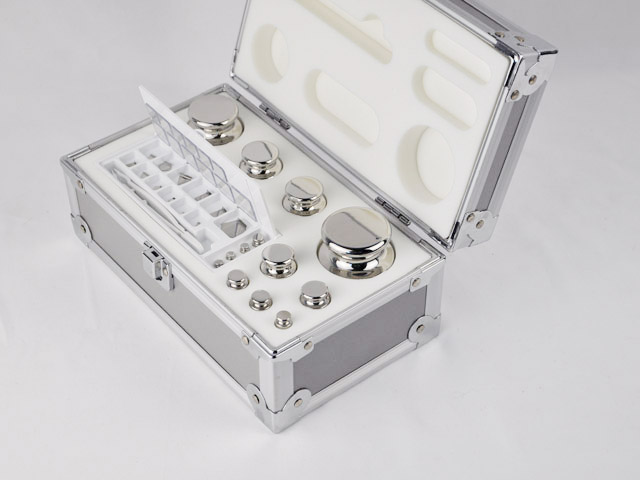

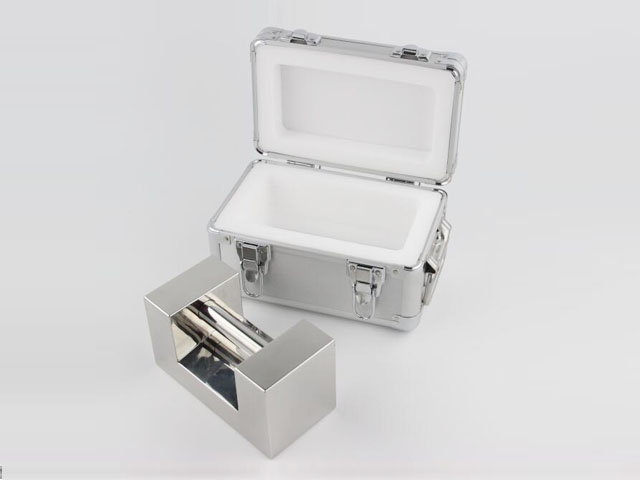
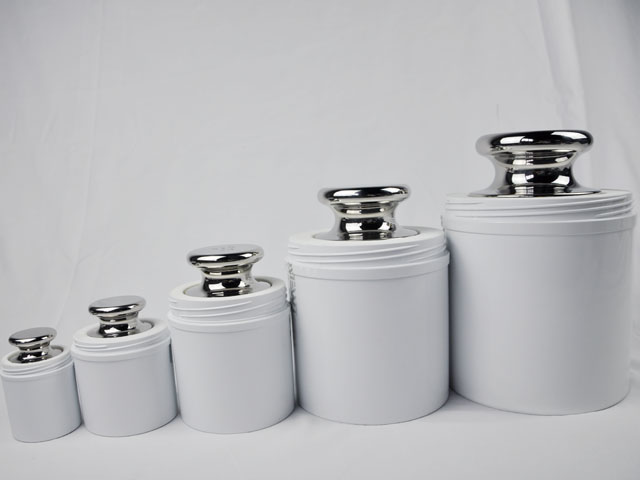
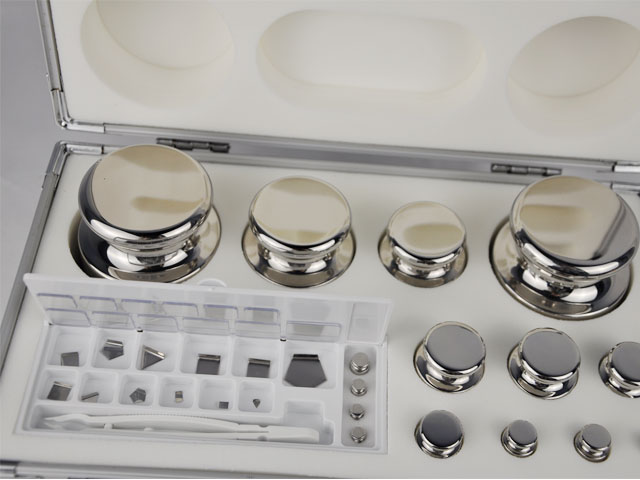
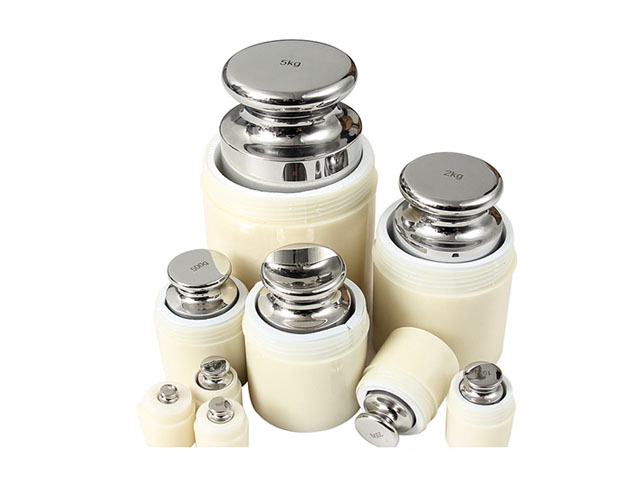
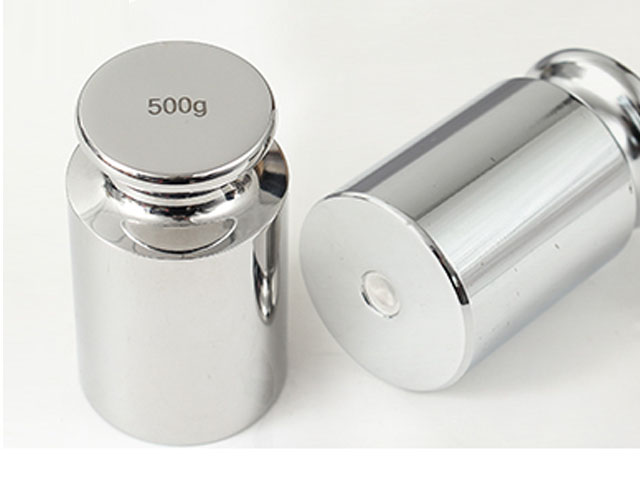
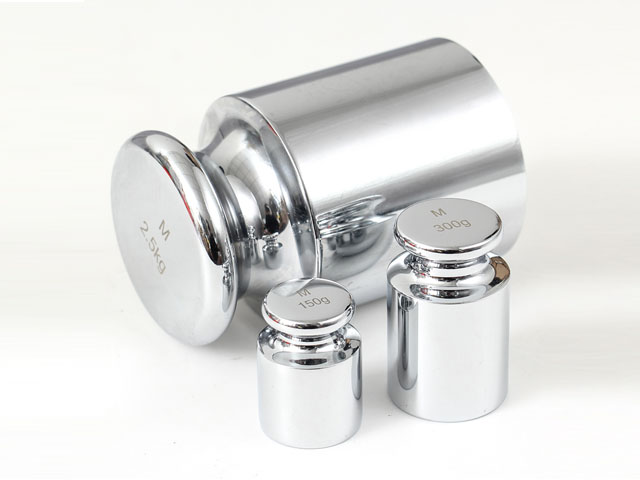
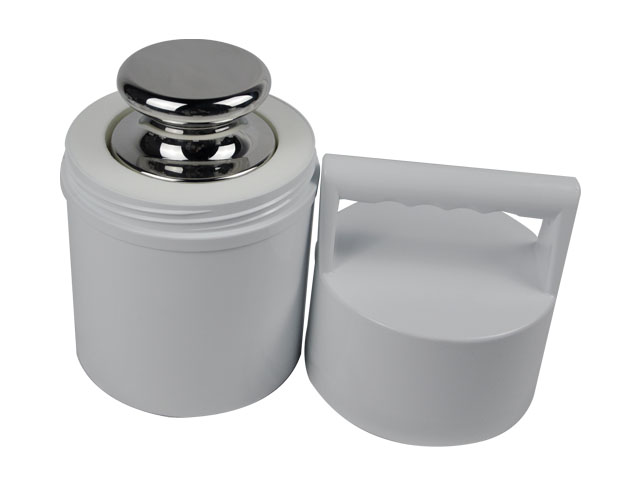
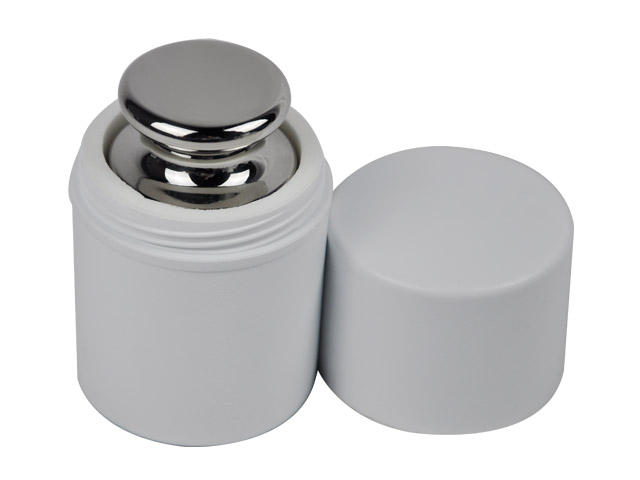
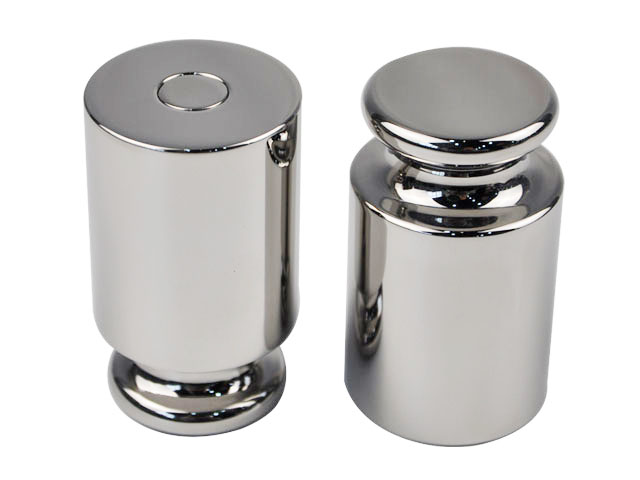
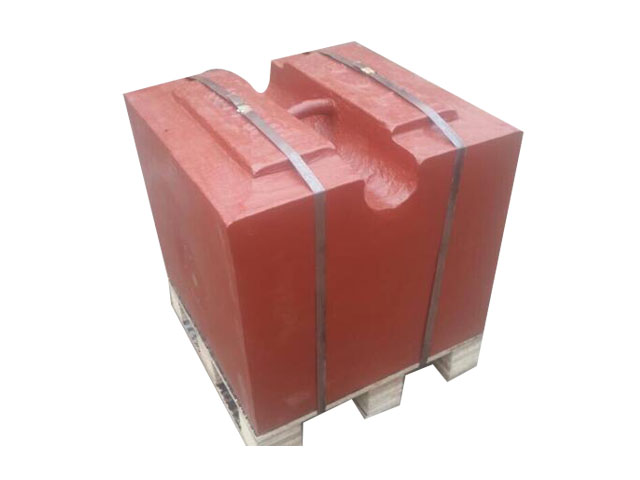
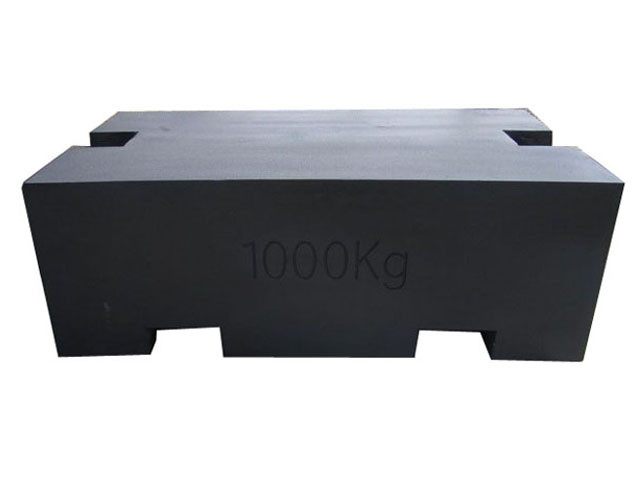
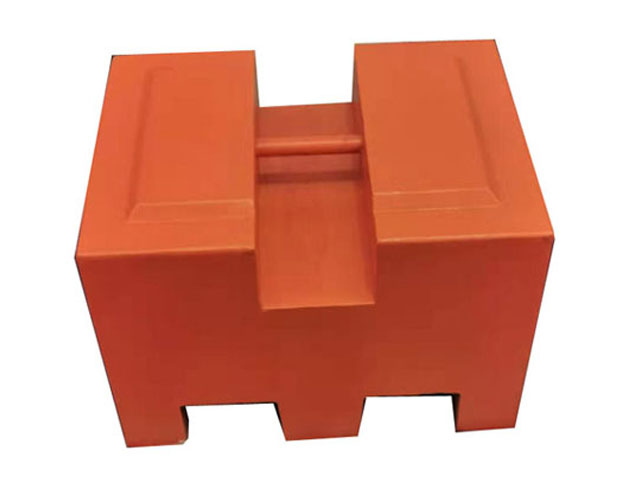
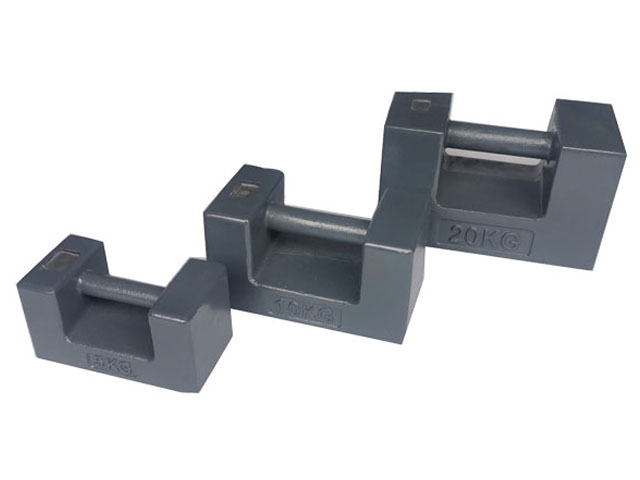
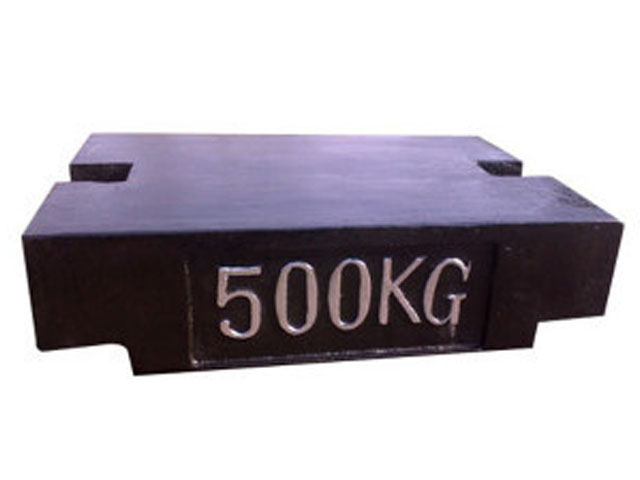
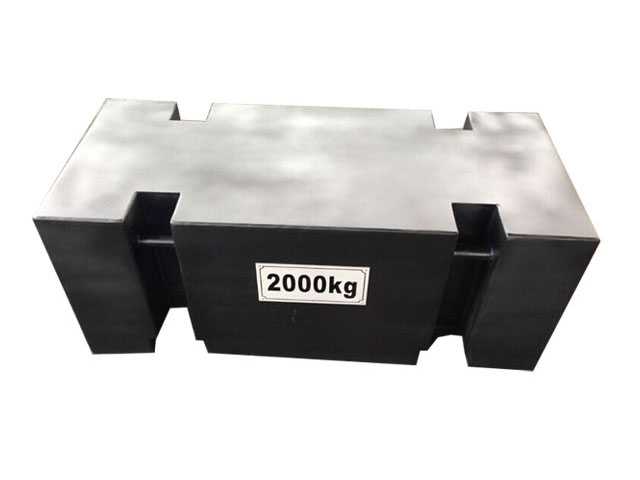
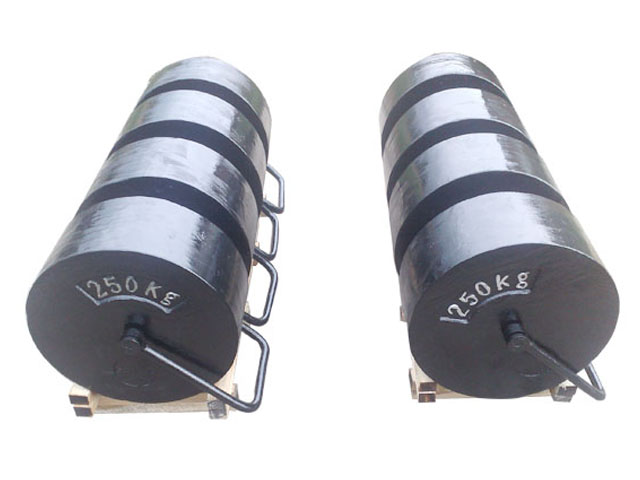
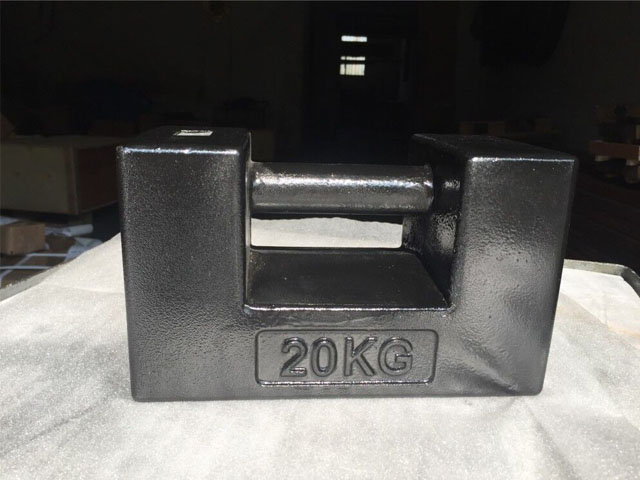
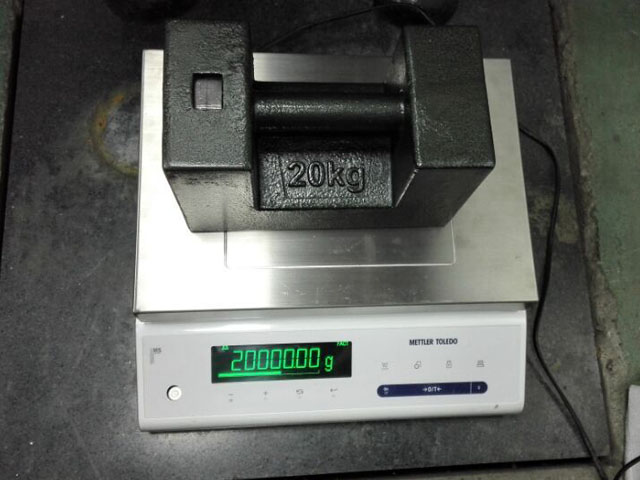
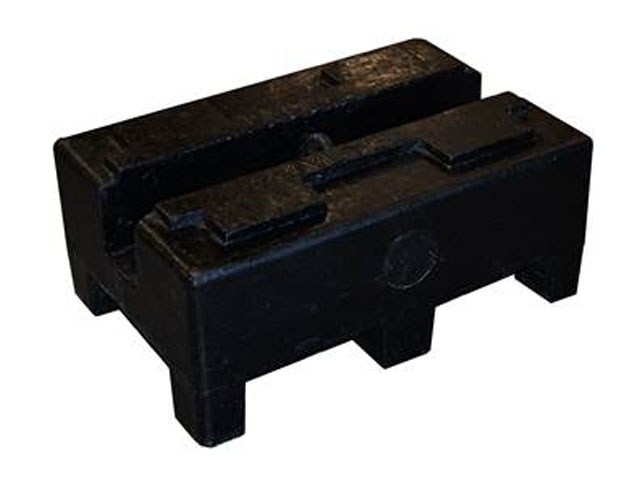
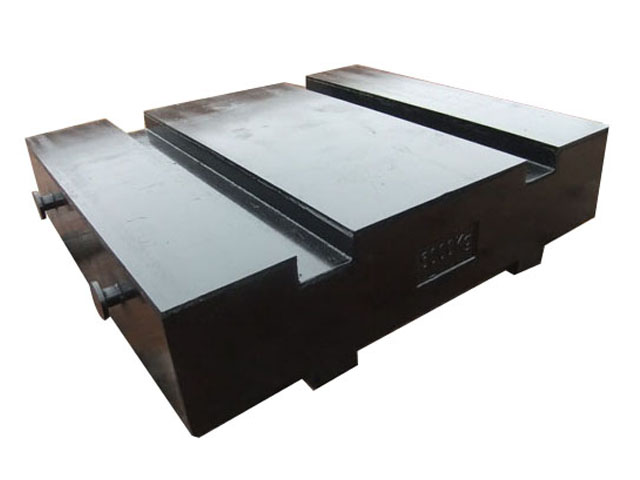
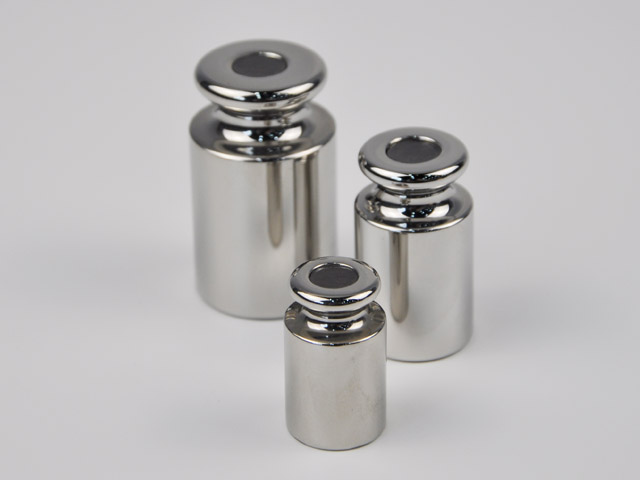
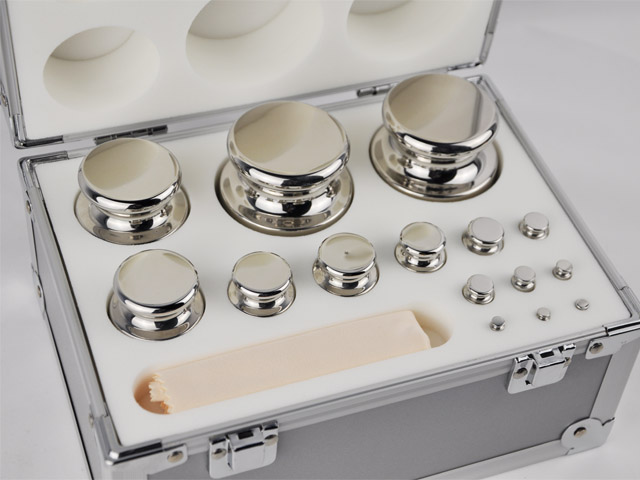

Changzhou Veidt Weighing Co., Ltd. sells various weights and related balances. The designed and manufactured goods include 0ML weights, ASTM weights, large-mass weights, right-protection weights, weight accessories, balances, etc.