Veidt Weighing
![Cast Iron Weight For Precision Scales]()
Cast Iron Weight For Precision Scales
May 4, 2026Precision weighing forms the foundational backbone of countless operational workflows across industrial production, laboratory research, commercial transaction management, and quality control processes, where consistent and reliable measurement data directly determines operational efficiency, product uniformity, and compliance with routine operational norms. At the core of maintaining the stable performance and dependable reading output of all types of precision scales, cast iron weights stand out as essential foundational reference tools that have maintained enduring practical value through decades of industrial development and technological iteration. Unlike auxiliary weighing accessories that only serve temporary functional purposes, these cast iron reference weights are engineered specifically to deliver steady, repeatable mass reference points, enabling regular scale verification, routine calibration adjustment, and daily operational testing for precision weighing equipment of all sizes and functional configurations. The inherent physical properties of cast iron, paired with refined casting and surface treatment processes, make these weights uniquely suited to meet the practical demands of long-term frequent use in diverse working environments, striking a balanced combination of structural stability, consistent mass retention, and convenient operational handling that few other common weighting materials can match effectively.![Purposes of Cast Iron Weight]()
Purposes of Cast Iron Weight
May 4, 2026Cast iron weights stand as one of the most fundamental and widely utilized weighted components across industrial, commercial, residential, and recreational sectors worldwide, earning long-term practical reliance due to their stable physical properties, solid structural performance, and adaptable functional characteristics. For decades, these robust weighted units have been crafted through mature casting processes, featuring consistent density, strong resistance to external physical damage, and reliable long-term performance under diverse environmental conditions, making them an indispensable basic component in daily operation and functional maintenance of various equipment, production processes, and daily life scenarios. Unlike other lightweight or fragile weighted materials that are prone to deformation, density fluctuation, or surface damage after long-term use, cast iron maintains steady mass stability even under harsh working conditions such as continuous mechanical vibration, outdoor temperature changes, and frequent handling and placement, which lays a solid foundation for it to fulfill a variety of core practical purposes in different fields. The core value of cast iron weights lies not only in their simple mass-bearing function, but also in their ability to provide stable reference mass, maintain mechanical balance, enhance structural stability, realize load simulation, and support standardized operation of various production and daily scenarios, covering almost all links that require accurate weight matching, stable counterbalance, and reliable load bearing in modern society.![Maintenance of Cast Iron Weight]()
Maintenance of Cast Iron Weight
May 4, 2026Cast iron weights serve as foundational components in a wide range of weighing operations, industrial calibration processes, and daily measurement verification work, offering stable physical density, solid structural rigidity, and reliable performance consistency over extended periods of application. Formed through professional casting and surface treatment processes, these weights rely on the inherent durability of cast iron material to maintain consistent mass parameters and structural integrity, yet their long-term service life and measurement accuracy are never self-sustaining without systematic and scientific daily maintenance and regular upkeep. Unlike lightweight measuring tools made from other metal materials, cast iron weights are inherently susceptible to external environmental influences and improper manual operation, with subtle changes in surface condition, internal structural stress, and external protective layers all capable of gradually affecting their dimensional stability and mass uniformity over time. Even minor neglect in daily handling, cleaning, and storage can accumulate into noticeable problems such as surface corrosion, edge chipping, structural deformation, and unbalanced surface wear, which will not only compromise the appearance integrity of the cast iron weights but also directly interfere with the accuracy of weighing and calibration work, leading to unstable measurement results and affecting the normal operation of entire production detection and quality control procedures. Reasonable and standardized maintenance of cast iron weights is therefore not merely a routine work of surface upkeep, but a key basic link to sustain their inherent performance, extend their service cycle, and ensure the reliability of all weighing and calibration work they participate in, requiring every operator and manager to master standardized operation norms and form stable and long-term maintenance habits in daily practical application.![Structure of Cast Iron Weight]()
Structure of Cast Iron Weight
May 4, 2026The structure of cast iron weight forms the fundamental foundation that determines its overall performance in industrial balancing, load stabilization, counterforce provision, and static pressure maintenance across diverse operational scenarios. Unlike ordinary cast iron components designed for mechanical movement or structural bearing, cast iron weight is engineered with a targeted structural system that prioritizes high density uniformity, dimensional stability, long-term structural integrity, and consistent mass distribution, all of which are closely tied to its metallurgical composition, internal microscopic configuration, integral solid geometric structure, surface protective formation, and auxiliary functional structural details. Every part of its structural design and formation process is optimized to meet the core demand of maintaining stable weight output and reliable structural durability under long-term static placement, frequent handling, and complex environmental exposure, making the internal and external structural layout of cast iron weight a professional and systematic engineering design rather than a simple cast iron forming process. The overall structural characteristics of cast iron weight can be comprehensively analyzed from the inherent metallurgical material structure at the microscopic level, the internal solid organizational structure inside the casting body, the external geometric physical structure that defines its shape and placement stability, the surface anti-corrosion and wear-resistant protective structure, and the transitional connection structure between different functional parts, with each structural layer influencing and cooperating with one another to ensure the cast iron weight can maintain stable physical properties and structural stability throughout its entire service cycle.![Material of Cast Iron Weight]()
Material of Cast Iron Weight
May 4, 2026The material selection for cast iron weight production stands as a foundational factor that directly shapes the practical performance, long-term service stability, and application adaptability of various counterweight and calibration weights used across industrial production, mechanical operation, engineering construction, and measurement regulation fields. Cast iron, as a traditional and mature iron-carbon alloy material system, has maintained a dominant position in weight manufacturing for decades, relying on its unique inherent material characteristics that perfectly match the core functional demands of weights, rather than relying on auxiliary processing or external surface treatment alone. Unlike other metal materials such as steel, aluminum alloy, or stainless steel that are widely used in mechanical manufacturing and hardware production, cast iron formulated specifically for weight use is proportioned and smelted with a single core goal: to achieve stable density distribution, reliable structural rigidity, consistent dimensional retention, and excellent resistance to external environmental interference during long-term static and occasional dynamic use. Every component element contained in this dedicated cast iron material, every microscopic structural form formed during the casting and cooling process, and every physical and mechanical property derived from material proportioning and subsequent natural aging treatment collectively determine whether the final cast iron weight can maintain stable mass data, keep intact overall structure, and adapt to complex on-site use environments for a long time without frequent replacement or repeated correction. Understanding the essential attributes and internal characteristics of cast iron weight material is not only conducive to grasping the inherent advantages of such weights in practical application scenarios but also helps to clarify why this material has never been replaced by emerging lightweight or high-strength alloy materials in the professional weight manufacturing industry, and how material fundamentals support the basic functional requirements of weights in different application scenarios.![Attribute of Cast Iron Weight]()
Attribute of Cast Iron Weight
May 4, 2026Cast iron weight stands as one of the most widely utilized load-bearing and calibration accessories across industrial production, daily measurement operations, physical training scenarios, and engineering testing environments, favored consistently for its balanced combination of inherent material characteristics, stable structural performance, and adaptable practical applicability. Formed through a mature casting process that melts refined iron-carbon alloy raw materials and pours the molten mixture into customized molds for natural cooling and solidification, this type of weight integrates the natural advantages of cast iron materials and optimized structural design, forming a series of unique and practical attributes that distinguish it from weights made from other metal materials such as aluminum alloy, pure steel, and composite synthetic materials. Every performance trait and structural feature of cast iron weight is closely linked to its internal material composition, microscopic organizational structure, post-processing techniques, and long-term use adaptation characteristics, jointly supporting its reliable performance in various conventional and complex working environments and meeting the basic use needs of different scenarios ranging from simple daily weighing calibration to heavy-duty industrial load matching and long-term physical exercise load bearing.![Astm Cast Iron Weight]()
Astm Cast Iron Weight
May 4, 2026The weight of cast iron components produced in line with unified industrial casting norms stands as one of the most fundamental and practical considerations in modern mechanical design, manufacturing production, and long-term operational management across diverse industrial sectors. Every cast iron part, whether serving as a static structural base for industrial machinery, a functional fluid control component in pipeline systems, a moving power transmission accessory in automotive and heavy equipment, or a wear-resistant structural part in engineering machinery, carries a specific weight that is never a random physical attribute but a direct reflection of material inherent composition, internal metallurgical structure, casting forming processes, and targeted functional design requirements. Understanding the core factors that shape ASTM cast iron weight characteristics and mastering the reasonable weight matching principles for different application scenarios helps manufacturing enterprises optimize structural design schemes, stabilize production casting quality, improve subsequent processing efficiency, and ensure the safe and stable operation of terminal equipment throughout its service life. Cast iron as a widely used ferrous casting material features unique physical and mechanical properties that distinguish it from other metal alloys, and its weight performance is closely intertwined with all links from raw material proportioning and smelting treatment to casting molding, cooling solidification, and post-casting finishing processing, forming a complete and mutually influential technical correlation system that runs through the entire production and application chain.![Working Principle of Cast Iron Weight]()
Working Principle of Cast Iron Weight
May 4, 2026Cast iron weights stand as fundamental functional components widely applied in industrial measurement, mechanical calibration, weighing equipment debugging, and physical force testing scenarios, serving as reliable mediums for mass comparison and force transmission in various precision and conventional measurement environments. The core working logic of these cast iron-based counterweights is rooted in basic physical laws related to mass stability, gravitational force action, and mechanical force balance, supplemented by the unique physical and chemical properties of cast iron materials and standardized casting forming processes, which together ensure that each cast iron weight can maintain stable mass output and consistent force conduction for a long time in different application environments. Unlike temporary weighted objects made of ordinary materials, cast iron weights are not simple solid metal blocks; their design, production, and actual application all follow a complete set of inherent scientific principles, covering material density matching, internal structural stability, external force balance adaptation, and environmental interference resistance, all of which jointly support their basic functions of mass reference and mechanical counterweight in daily industrial and measurement work. To fully understand the working principle of cast iron weights, it is necessary to start from the basic physical relationship between mass and gravity, then extend to the material characteristics of cast iron that determine weight stability, the structural design logic formed by casting processing, the force transmission mechanism in actual use, and the adaptive adjustment principle under different external environmental conditions, so as to clarify why cast iron has become a preferred material for manufacturing standard weights and how these weights maintain accurate and reliable working effects in long-term repeated use.![Specifications of Cast Iron Weight]()
Specifications of Cast Iron Weight
May 4, 2026Cast iron weights stand as essential foundational components widely applied in industrial weighing calibration, mechanical counterbalancing, physical load testing, and daily operational weight matching across various production and operational scenarios. The overall specifications of such weights are systematically defined by core material composition, internal microstructural characteristics, inherent mechanical and physical performance parameters, standardized casting and processing craftsmanship, structural dimensional design norms, surface protection treatment requirements, as well as long-term service stability attributes, all of which work in tandem to determine the practical usability, consistent accuracy, and extended service life of each cast iron weight in diverse application environments. Unlike metal weights made from other alloy materials, cast iron weights rely on the unique material properties of iron-carbon alloys and mature forming technologies, achieving a balanced combination of stable density, reliable compressive resistance, excellent vibration absorption capacity, and reasonable structural adaptability, making them a preferred choice for conventional and heavy-duty weight application scenarios with universal applicability and stable comprehensive performance.![Cast Iron Weight Price]()
Cast Iron Weight Price
May 4, 2026Cast iron weight has long been an essential basic industrial component widely applied in engineering machinery, construction infrastructure, logistics handling equipment, agricultural machinery production, and various industrial balancing scenarios. Its core functional value lies in providing stable gravitational balance, stabilizing mechanical operation posture, offsetting structural vibration, and ensuring the safe and efficient operation of all kinds of mechanical and engineering equipment. Unlike refined metal finished products with complex processing procedures and high added value, cast iron weight belongs to a traditional casting product with relatively simple production technology, mature industrial matching, and market pricing closely linked with the basic operation rhythm of the entire metal raw material and casting industry. The formation and fluctuation of cast iron weight prices are never determined by a single factor in isolation, but result from the superposition and interaction of raw material supply and demand, production and processing costs, product specification and quality differences, regional market supply and demand patterns, transportation and circulation links, and macroeconomic operation trends. Understanding the deep logic behind cast iron weight price changes helps downstream procurement enterprises, casting production manufacturers, and market circulation merchants better grasp market operation rules, arrange production and procurement plans reasonably, and realize stable cost control and orderly market operation in long-term industrial cooperation and short-term bulk transactions.![Cast Iron Weight Production]()
Cast Iron Weight Production
May 4, 2026Cast iron weights serve as essential foundational components across a wide spectrum of industrial and commercial operational scenarios, fulfilling core functional needs for mechanical balancing, load stabilization, counterbalance adjustment, and static pressure bearing in diverse equipment and engineering systems. The production of cast iron weights is a systematic and meticulous industrial process that integrates material science, casting technology, mechanical processing, and precise dimensional and mass calibration, requiring strict control over every production stage to ensure the final finished products possess stable physical properties, uniform density distribution, accurate dimensional specifications, and reliable long-term service performance. Unlike ordinary cast iron parts that only focus on basic structural forming, cast iron weight production places higher emphasis on the consistency of internal material structure, the accuracy of overall mass proportion, and the durability of external surface protection, as these key characteristics directly determine the operational stability and service life of the equipment matched with the weights in long-term continuous working environments. Every procedure from raw material preparation to final finished product inspection and delivery needs to follow standardized production norms and refined operational requirements, avoiding any internal defects, dimensional deviations, or surface damage that may affect the practical application effect of cast iron weights, and ensuring each batch of products can adapt to various complex working conditions and meet the actual usage demands of different application fields.![Cast Iron Weight Vender In China]()
Cast Iron Weight Vender In China
May 4, 2026The cast iron weight sector stands as a fundamental and indispensable segment within China’s broader casting and metal manufacturing landscape, serving as a core supporting component for a wide spectrum of industrial production, engineering construction, agricultural operations, logistics handling, and mechanical equipment matching scenarios. As global industrialization continues to advance and downstream industries keep expanding their production and deployment scales, the demand for sturdy, dimensionally stable, and functionally reliable cast iron weights has maintained steady growth across international and domestic markets. China has gradually developed a complete and mature industrial cluster focused on the production and supply of cast iron weights, gathering numerous professional production and operation entities that integrate independent production, processing customization, and global distribution services. These vendors have formed solid operational foundations after years of market cultivation and technical accumulation, adapting flexibly to the diverse and changing procurement needs of different regional markets and industrial clients around the world. The development of China’s cast iron weight vendors is not only rooted in the country’s inherent advantages in raw material supply, manufacturing infrastructure, and labor resource allocation, but also driven by the continuous upgrading of downstream industrial supporting demands and the optimization of global industrial division of labor, enabling the whole industry to maintain stable development momentum amid market fluctuations and industrial adjustment cycles.![Types of Cast Iron Weight]()
Types of Cast Iron Weight
May 4, 2026Cast iron weights stand as foundational components across industrial production, weighing calibration, mechanical balancing, engineering construction, and marine and mining operations, serving as essential functional accessories that rely on stable mass density, durable structural stability, and reliable compressive performance to meet diverse load-bearing, calibration, and counterbalancing demands. Unlike metal weights made from other alloy materials, cast iron weights gain widespread application popularity due to their mature casting craftsmanship, stable internal structural uniformity, excellent vibration damping performance, and strong adaptability to complex working environments. The classification of cast iron weights follows two core logical dimensions in practical production and application: one is based on the inherent material microstructure and elemental composition of the cast iron itself, which determines the fundamental physical and mechanical properties of the weight, including hardness, toughness, wear resistance, and deformation resistance; the other is based on external structural design, shape characteristics, and practical application scenarios, which defines the operability, placement stability, and professional matching degree of the weight in different use environments. Understanding the different types of cast iron weights and their respective characteristics, performance advantages, and applicable scenarios is crucial for enterprises, engineering teams, and operation personnel to select suitable weight products, ensure the accuracy of weighing work, maintain the stable operation of mechanical equipment, and extend the service life of both weights and matched industrial facilities. Each type of cast iron weight is developed and optimized according to targeted usage needs, with unique structural design and material properties that make it irreplaceable in specific application fields, and a detailed exploration of each category helps to clarify the rational application value of cast iron weights in modern industrial and civil engineering fields.![Cast Iron Calibration Weight]()
Cast Iron Calibration Weight
May 4, 2026In the complex and interconnected world of industrial production, commercial trading, and mechanical operation, the consistency and reliability of weighing measurements stand as a foundational pillar for stable operational order and standardized quality management. Every numerical reading generated by weighing devices, from small desktop balances in processing workshops to large-scale floor scales and vehicle weighing platforms in logistics hubs, needs a reliable and stable reference benchmark to verify its stability and correctness over long-term use. Cast iron calibration weights have long served as such a fundamental and practical reference tool, gaining wide adoption across numerous sectors due to their stable physical properties, sturdy structural performance, and strong adaptability to diverse working environments. Unlike precision measuring tools that focus on ultra-fine measurement for laboratory scenarios, these cast iron calibration counterparts are designed to meet the daily and periodic calibration needs of conventional and medium-precision weighing equipment, striking a balanced combination of practicability, durability, and stable mass retention that fits perfectly with the actual operational rhythm of various industrial and commercial sites.![Cast Iron Standard Weight]()
Cast Iron Standard Weight
May 4, 2026Cast iron standard weight stands as a fundamental and reliable balancing and calibration component widely adopted across industrial production, mechanical operation, measurement verification and heavy equipment debugging fields, gaining long-term recognition for its stable physical properties, excellent structural rigidity and adaptable application characteristics. As a conventional counterweight and calibration medium made from mature iron-carbon alloy casting technology, this type of weight has maintained an irreplaceable position in basic industrial supporting work, even with the continuous emergence of various new alloy and metal counterweight products in modern industrial development. Its core value lies in providing stable and consistent mass reference and load balancing effects for diverse mechanical and measurement scenarios, ensuring the normal operating state of equipment and the accuracy of daily measurement work in different production and operation links. The inherent material advantages of cast iron and mature and standardized casting and processing techniques enable standard cast iron weights to adapt to complex working environments, long-term continuous use requirements and frequent handling and placement operations, showing good durability and practicality that meet the basic demands of most industrial and public infrastructure operational regulation work.![Painted Cast Iron Weight]()
Painted Cast Iron Weight
May 4, 2026Painted cast iron weight stands as a fundamental and reliable physical object deeply integrated into industrial production, daily operational debugging, mechanical balancing, and conventional weighing verification work, carrying the basic function of maintaining mass stability and realizing force balance in various practical scenarios. For decades, this kind of weight has maintained a steady presence in different working environments, not relying on fancy design or complex auxiliary structures, but relying on the inherent physical properties of cast iron materials and the protective and decorative effects of professional painted surfaces to form a practical and durable product form that adapts to diverse use needs. Unlike lightweight metal counterweights that are prone to deformation and plastic weights that lack long-term stability, painted cast iron weights strike a proper balance between structural solidity, mass uniformity, and environmental adaptability, making them a common and essential auxiliary tool in many production, processing, and measurement links around daily industrial and civilian operations.![Cast Iron Weight With Fork Slot]()
Cast Iron Weight With Fork Slot
May 4, 2026Cast iron weight with fork slot stands as a fundamental and reliable component widely utilized across diverse industrial, construction, logistics, and mechanical operation scenarios, serving core functions in load balancing, equipment calibration, structural stabilization, and pressure testing for various mechanical systems and engineering facilities. Crafted from premium cast iron materials and engineered with a specialized fork slot structure integrated into the overall body design, this type of weight has gradually become an indispensable basic accessory in modern industrial production and daily operational maintenance work, thanks to its stable physical properties, solid structural integrity, and convenient handling characteristics. Unlike ordinary solid cast iron weights with simple shapes and single functions, the fork slot design embedded in the body of cast iron weight with fork slot perfectly combines the basic weight bearing function with flexible handling and moving performance, effectively solving the common pain points in traditional weight use processes, such as difficult stacking, inconvenient mechanical handling, and poor adaptability to different operating environments. Whether deployed in large-scale factory production workshops, outdoor construction engineering sites, port cargo handling areas, mechanical equipment debugging workshops, or elevator and crane load testing work scenarios, this cast iron weight can always maintain stable working performance, adapt to complex and harsh use environments, and provide consistent and reliable weight support for various operational tasks over long-term service cycles.![Cast Iron Weight With Lifting Eye]()
Cast Iron Weight With Lifting Eye
May 4, 2026Cast iron weight with lifting eye stands as a fundamental and dependable component widely utilized across industrial operation, mechanical commissioning, engineering testing, and equipment balancing work scenarios. Crafted from dense, high-quality cast iron materials through mature casting and fine machining processes, this type of weight is engineered to deliver stable mass performance, consistent structural integrity, and convenient handling conditions for all kinds of heavy-duty weight matching and load bearing tasks. The integrated lifting eye structure embedded on the upper part of the cast iron weight body serves as a core functional design that distinguishes it from ordinary flat cast iron counterweights, effectively solving the difficulties of moving, hoisting, positioning, and stacking heavy weight blocks in complex working environments. Unlike small portable weighing tools that rely on manual carrying, cast iron weights equipped with lifting eyes are tailored for medium and heavy load application demands, where mechanical hoisting cooperation is required for overall placement and fixed installation, ensuring every operation link proceeds in a steady, orderly, and safe manner without unnecessary displacement or structural damage during use and transportation.![Low Tolerance Cast Iron Weight]()
Low Tolerance Cast Iron Weight
May 4, 2026Low tolerance cast iron weight stands as a fundamental and reliable component across modern industrial production, mechanical operation, and precision measurement fields, crafted specifically to maintain steady mass consistency and dimensional accuracy in every practical application scenario. Unlike ordinary cast iron counterweights or common iron casting parts that allow wide deviation ranges in mass and physical dimensions, this type of cast iron weight is engineered and produced with strict control over every production link, from raw material proportioning and smelting treatment to casting forming, precision machining, and surface finishing, focusing on minimizing mass error and dimensional variation to meet the rigorous precision demands of various professional working environments. Cast iron as the core base material boasts inherent superior properties including high density, stable internal microstructure, excellent vibration damping capacity, and good castability, all of which lay a solid foundation for low tolerance weights to maintain long-term stable performance and reliable structural integrity during prolonged use. The unique graphite flake structure inside standard cast iron materials further brings good wear resistance and deformation resistance, enabling these weights to resist external environmental interference and mechanical stress without obvious mass loss or shape deformation over years of continuous service, making them far more suitable for precision balance and measurement work than many other metal or non-metal counterweight materials.![Cast Iron Weight With Handle]()
Cast Iron Weight With Handle
May 4, 2026Cast iron weight with handle stands as a fundamental and reliable tool widely adopted across industrial production, commercial operation, daily maintenance work and various professional calibration scenarios, earning long-term recognition for its solid physical properties, stable mass performance and user-friendly structural design. Crafted from high-quality cast iron raw materials through mature and standardized casting processing, this kind of weight integrates practicality, durability and convenient operability into one, perfectly meeting the daily working demands of different industries for stable mass reference, equipment debugging, mechanical balancing and scale verification. Unlike lightweight auxiliary weighting tools made of other common metal materials or synthetic materials, cast iron as the core raw material endows the weight with excellent overall structural compactness and uniform internal density, avoiding the common problems of internal hollowing, uneven mass distribution and easy deformation that often plague many ordinary weighting accessories after long-term use. The specially integrated handle structure further optimizes the overall use experience, making the transportation, placement, movement and storage of the heavy cast iron weight much simpler and more labor-saving, even in complex working environments and frequent repeated use processes, it can always maintain stable use state and consistent working performance.![Gray Cast Iron Weight]()
Gray Cast Iron Weight
May 4, 2026Gray cast iron weight stands as one of the most essential and widely applied weighted components across modern industrial production, mechanical operation and daily engineering supporting scenarios, relying on the inherent physical and mechanical traits of gray cast iron material that have been verified by long-term practical application. Unlike many lightweight alloy counterweights or composite weighted parts that focus on thin-wall design and portable carrying, gray cast iron weight is designed and manufactured to meet core demands such as stable gravitational balance, reliable vibration suppression, structural position stabilization and mechanical operation buffering. Its core value lies in the perfect combination of stable material density, excellent vibration damping performance, good wear resistance and mature casting processing adaptability, which makes it irreplaceable in countless basic and heavy-duty industrial links. The popularity of gray cast iron weight is not derived from complex processing technology or special material formula, but from the natural matching between the inherent characteristics of gray cast iron and the basic functional requirements of various weighting and counterbalancing work scenes, forming a practical component that balances usability, stability and long-term service performance in all application environments.![High Precision Cast Iron Weight]()
High Precision Cast Iron Weight
May 4, 2026High precision cast iron weight stands as a fundamental and indispensable component across modern industrial production, commercial measurement operations, mechanical balancing projects, and daily equipment debugging work, serving as a reliable physical reference for accurate weight measurement and stable mechanical operation in numerous professional fields. Crafted from carefully refined cast iron materials with strictly controlled internal composition and external structural dimensions, this type of weight is designed to maintain steady mass performance, consistent geometric specifications, and durable structural stability under diverse working environments, meeting the rigorous basic requirements of various weighing calibration and mechanical balance adjustment work. Unlike ordinary cast iron components that only pursue basic structural bearing capacity, high precision cast iron weight focuses on the fine control of mass uniformity, surface flatness, dimensional tolerance, and long-term structural stability throughout the entire production and processing process, ensuring that it can maintain stable working performance after long-term use, frequent handling, and adaptation to different temperature and humidity conditions. The inherent physical properties of cast iron make it an ideal raw material for manufacturing precision weights, as the material features appropriate density, good compressive resistance, excellent shock absorption performance, and strong resistance to external environmental erosion, all of which lay a solid foundation for the long-term stable use of finished weights in complex industrial and commercial scenarios.![Heavy Duty Cast Iron Weight]()
Heavy Duty Cast Iron Weight
May 4, 2026Heavy duty cast iron weight stands as one of the most fundamental and reliable weighted components widely adopted across industrial operation, mechanical engineering, daily fitness training, and metrology calibration fields, gaining long-term recognition for its solid physical properties, stable structural performance, and adaptable practical attributes. Unlike lightweight weighted accessories made from composite materials or thin metal alloys, this kind of cast iron weight is forged through mature high-temperature casting and precise post-processing procedures, with a dense internal molecular structure and uniform weight distribution that lay a solid foundation for its consistent performance in various complex and high-intensity use environments. The essence of its practical value lies in the perfect integration of raw material advantages, scientific structural design, and rigorous production craftsmanship, enabling it to meet diversified weight bearing, balance adjustment, and standard calibration demands without frequent replacement or frequent maintenance, becoming an indispensable basic component in both industrial production and daily life scenarios.![Cast Iron Weight For Weighing]()
Cast Iron Weight For Weighing
May 4, 2026Cast iron weight for weighing stands as one of the most fundamental and time-tested measuring essentials across all kinds of weighing and metering work, serving as a steady physical reference to confirm accurate mass readings for countless weighing devices and operational processes. For decades, this kind of weight has maintained a core position in industrial production, commercial trade, experimental research, engineering testing and daily operational calibration, relying on its inherent material advantages, stable structural performance and strong adaptability to diverse working environments. Unlike fragile measuring accessories or lightweight metal counterparts that are prone to deformation and performance fluctuation, cast iron weighing weights are crafted to deliver consistent mass performance over long-term use, meeting the basic and practical demands of all routine and professional weighing verification work without relying on complex auxiliary equipment or frequent performance adjustments. Every detail from raw material selection and casting processing to surface treatment and structural design is tailored to ensure reliable weighing reference effects, making it an indispensable basic tool for any scenario that requires accurate mass comparison and scale calibration.![Cast Iron Weight For Testing]()
Cast Iron Weight For Testing
May 4, 2026Cast iron weight for testing stands as a foundational and essential component in the entire field of weighing measurement and industrial calibration work, serving as a reliable physical mass reference that underpins the accuracy and stability of all kinds of weighing equipment operation across diverse industrial and commercial scenarios. In every link that involves weight measurement verification, equipment debugging, daily performance inspection and regular functional testing, these specially manufactured cast iron masses play an irreplaceable role, providing a stable and consistent mass benchmark that allows weighing devices to maintain reliable working conditions for a long time and ensuring that all weight-related measurement data remains consistent and credible in different production, transaction and quality control processes. Unlike temporary measuring auxiliary tools that are only suitable for simple and short-term weighing needs, cast iron weight for testing is professionally designed and precisely processed specifically for repeated testing, frequent handling and long-term cyclic use, adapting to complex on-site working environments and continuous working intensity that ordinary weighing auxiliary objects cannot withstand, becoming an indispensable basic equipment for measurement management personnel, production operation teams and quality inspection staff in various industries.![Custom Cast Iron Weight]()
Custom Cast Iron Weight
May 4, 2026In countless industrial, mechanical, maritime, and infrastructure operational scenarios, the demand for reliable and well-matched weight balancing components has always remained a core part of maintaining smooth and safe system operation. Custom cast iron weight stands out as a foundational and practical solution that perfectly integrates solid material performance, flexible production adaptability, and long-term operational reliability, catering to the unique balancing, calibration, and counterpoise requirements of different equipment and engineering projects. Unlike standardized weight products that follow fixed specifications and single structural designs, custom cast iron weight is designed and manufactured according to the actual on-site working conditions, equipment structural parameters, and specific functional goals of each user, ensuring that every produced weight can fit seamlessly into the corresponding application environment and deliver consistent and stable performance throughout its service life. The inherent physical properties of cast iron materials lay a solid foundation for the practicality of these custom weights, while personalized customization processing makes up for the limitations of universal weights that cannot adapt to special installation spaces and complex mechanical stress conditions, making such cast iron weights an indispensable supporting component in modern production, manufacturing, and large-scale engineering operation fields.![Cast Iron Weight Factory]()
Cast Iron Weight Factory
May 4, 2026A cast iron weight factory operates as a vital industrial cornerstone, focused on the meticulous creation of durable, dimensionally stable, and functionally reliable cast iron weights that underpin countless sectors of modern industrial and commercial activity. Every stage of work within such a facility revolves around balancing traditional casting craftsmanship with refined modern manufacturing discipline, ensuring every finished cast iron piece meets consistent physical performance standards and fits seamlessly into diverse practical application scenarios. Unlike general metal casting workshops that produce a wide range of irregular structural components, a factory dedicated to cast iron weight production maintains a singular production focus, with every production link, equipment configuration, and staff workflow tailored specifically to the unique requirements of weight manufacturing, where density uniformity, structural solidity, and long-term shape retention stand as the core operational priorities. The entire production journey from raw material intake to final product dispatch embodies rigorous attention to detail, steady process control, and a deep understanding of how cast iron material properties interact with real-world usage demands across different working environments.![Cast Iron Counterweight]()
Cast Iron Counterweight
May 4, 2026Throughout the entire evolution of mechanical engineering and industrial manufacturing, maintaining stable force balance and reliable structural stability has always been a core prerequisite for the normal and safe operation of all kinds of equipment and mechanical systems. Every mechanical device that involves lifting, rotating, moving back and forth or load bearing will generate unbalanced torque and eccentric force during operation. These unbalanced mechanical forces, if not effectively offset and controlled, will lead to equipment shaking, structural vibration, component wear and even potential safety risks during long-term continuous use. Cast iron counterweight stands out as a basic yet indispensable mechanical component in this context, serving as a key balancing medium that relies on its own stable mass and structural rigidity to generate reverse mechanical moment, offset eccentric load and unbalanced force generated by equipment operation, and keep all mechanical parts running within a stable and controllable working state. Unlike many sophisticated mechanical parts that focus on complex transmission and precise motion control, cast iron counterweight pursues steady mass distribution, durable structural performance and long-term stable force bearing effect. It does not need complex processing procedures or high-precision matching structures, but its functional value runs through the whole life cycle of various industrial equipment, construction machinery, vertical transportation facilities and mobile handling equipment, becoming an invisible cornerstone to ensure the efficiency and safety of mechanical operation.![Cast Iron Weight Exporter]()
Cast Iron Weight Exporter
May 4, 2026In the global industrial operation and engineering construction ecosystem, auxiliary components that maintain mechanical balance, stabilize equipment operation and ensure engineering calibration play an indispensable basic role, and cast iron weight has always been one of the most essential and widely applied products in this field. As a reliable cast iron weight exporter with long-term engagement in global supply layout, we have deeply witnessed the irreplaceable practical value of such iron-carbon alloy castings in various industrial scenarios, ranging from large engineering machinery balancing and industrial equipment base stabilization to cargo loading matching and mechanical operation vibration reduction. Different from other lightweight counterweight materials, cast iron weight relies on unique material physical properties, mature and stable casting production technology, excellent structural plasticity and long-term service stability, and has become the preferred matching product for downstream enterprises in various countries and regions to optimize equipment operation effect and improve engineering construction accuracy. In the context of continuous development and upgrading of global industrial chain and supply chain, the demand for cast iron weight is no longer limited to basic weight bearing and balancing functions. More industrial users begin to pay attention to the structural rationality, environmental adaptability, long-term durability and production process refinement of cast iron weight products, which also puts forward higher standardized requirements for every link from raw material selection, casting processing, surface treatment to finished product delivery and global transportation for all practitioners engaged in cast iron weight production and export business.![Cast Iron Weight Supplier]()
Cast Iron Weight Supplier
May 4, 2026Cast iron weights stand as fundamental industrial components that underpin the stable operation of countless mechanical systems, engineering projects, and daily operational equipment across diverse global sectors. Crafted from durable cast iron materials with stable physical and mechanical attributes, these weighted components serve essential functions ranging from mechanical balancing and vibration stabilization to load calibration, equipment counterbalancing, and infrastructure stability reinforcement. As industrial development continues to advance and downstream industries upgrade their production and operational standards, the demand for well-crafted, dimensionally consistent, and long-service-life cast iron weights keeps rising steadily, making professional cast iron weight suppliers indispensable partners for manufacturing enterprises, engineering construction teams, and equipment operation institutions worldwide. The development of the cast iron weight supply chain is closely linked to the progress of heavy industry, mechanical manufacturing, construction engineering, logistics transportation, and mining operations, and reliable suppliers always focus on integrating mature casting technology, refined production management, and targeted service concepts to meet the differentiated and long-term usage needs of various end users in different working environments and operational scenarios.![Cast Iron Weight Manufacturer]()
Cast Iron Weight Manufacturer
May 4, 2026Industrial production, mechanical operation, and commercial weighing systems all rely heavily on stable, durable, and dimensionally consistent counterbalance and calibration components, among which cast iron weights stand out as one of the most fundamental and widely utilized essentials across countless sectors. A professional cast iron weight manufacturer serves as a core link in the entire industrial supply chain, focusing on the full-cycle production of solid, long-lasting iron casting products that meet diverse operational needs for weight balancing, equipment calibration, load testing, and mechanical stabilization. Unlike ordinary iron casting enterprises that produce general mechanical parts, manufacturers specializing in cast iron weight production concentrate all their production processes, technical adjustments, and quality management on optimizing the density uniformity, structural stability, surface durability, and long-term weight retention of finished weights, ensuring every produced cast iron weight can maintain stable performance during long-term continuous use in complex working environments. The development of the cast iron weight manufacturing industry has always been closely tied to the progress of modern industrialization, as various industries from heavy machinery manufacturing and transportation infrastructure construction to warehousing logistics weighing and engineering mechanical debugging all require standardized and customized cast iron weights to support daily operational work, making the professional production and processing of these iron casting products an indispensable part of modern industrial system operation and maintenance.![Cast Iron Weight Wholesale]()
Cast Iron Weight Wholesale
May 4, 2026In the global industrial and commercial supply chain system, cast iron weights have always occupied an indispensable basic supporting position, serving as essential functional components for weight calibration, mechanical balance adjustment, equipment stabilization, and engineering counterweight scenarios across countless industries. The wholesale trade of cast iron weights has developed into a mature and stable industrial circulation link, connecting professional casting production bases around the world with downstream manufacturers, engineering contractors, industrial equipment maintenance enterprises, agricultural operation teams, port logistics institutions, and fitness facility supporting merchants. Unlike small-batch retail sales that focus on individual end-user needs, cast iron weight wholesale focuses on centralized bulk supply, standardized product matching, stable long-term supply cycles, and targeted customization according to different application scenarios, fully meeting the continuous and large-volume consumption demand of various downstream industries for durable, high-adaptability, and cost-effective counterweight and calibration accessories. With the steady recovery of global industrial manufacturing, the continuous expansion of infrastructure construction projects, the continuous upgrading of agricultural mechanization equipment, and the rapid development of the fitness equipment supporting market, the market demand for cast iron weight wholesale has maintained a steady upward trend, and the industry has also formed a complete operation system covering raw material selection, casting processing, post-production finishing, quality inspection screening, centralized warehousing, regional distribution, and long-term after-sales coordination.![Cast Iron Weight For Sale]()
Cast Iron Weight For Sale
May 4, 2026Cast iron weights have long stood as a fundamental and reliable component across countless industrial, commercial, residential, and fitness-related applications, earning consistent demand among buyers seeking sturdy, dependable, and cost-effective weighting solutions for diverse operational and daily use needs. Crafted from carefully formulated gray cast iron material with balanced carbon content ranging between 2.7% and 4.0%, these weighted pieces boast a natural structural composition that delivers exceptional compressive strength, excellent wear resistance, and remarkable shock absorption performance, setting them apart from many lighter or less durable alternative weighting materials on the market. The inherent physical properties of cast iron, including its high density and stable molecular structure, make every cast iron weight a solid, long-lasting option that maintains steady performance even under continuous heavy loads, frequent movement, and exposure to varied environmental conditions throughout extended service life. Unlike materials that may warp, bend, or degrade quickly with regular use, cast iron retains its shape and weighted consistency over years of application, making it a practical and sustainable investment for any project or routine that requires reliable mass and balanced counterforce support.![What is Cast Iron Weight]()
What is Cast Iron Weight
May 4, 2026Cast iron weights stand as one of the most fundamental and widely used physical weighing standards in modern industrial production, commercial measurement, and equipment commissioning fields. As essential physical measuring tools for mass calibration, load testing, and mechanical balancing, these cast iron-based weighting objects have maintained irreplaceable value for decades due to their excellent structural stability, reliable physical properties, and adaptable practical performance. Unlike high-precision metal weighing tools designed for laboratory fine measurement, cast iron weights focus more on practicality, durability, and long-term stable mass retention in complex on-site working environments. They are not only core auxiliary tools for verifying the accuracy of various weighing instruments but also indispensable matching components for mechanical equipment balancing, engineering load detection, and safety performance testing.![Cast Iron Weight For Laboratory]()
Cast Iron Weight For Laboratory
May 4, 2026Within every laboratory environment where physical measurement consistency and reliable experimental baseline data form the foundation of daily operations, cast iron weight units stand as fundamental and indispensable auxiliary tools that support a wide range of weighing verification, experimental demonstration, and equipment debugging work. Unlike delicate precision measuring accessories that require extremely strict storage and operating conditions, cast iron weights designed for laboratory use strike a practical balance between stable mass performance, sturdy structural durability, and adaptable application scenarios, making them deeply suitable for routine laboratory measurement work, basic scientific research experiments, teaching demonstration activities, and daily calibration of conventional weighing equipment. These solid mass reference objects have long moved beyond simple industrial counterweight functions, evolving into core basic supplies that maintain the accuracy and repeatability of laboratory measurement links, ensuring that all experimental data derived from weighing and force-related tests can maintain sufficient credibility and comparability in long-term repeated use. The inherent physical properties of cast iron materials lay a solid foundation for the long-term stable performance of these weights, and reasonable structural design and standardized later-stage maintenance further optimize their adaptability to complex laboratory use environments, allowing them to maintain stable mass state and good usability even after years of frequent handling, stacking, and experimental application.![Cast Iron Weight For Industrial Use]()
Cast Iron Weight For Industrial Use
May 4, 2026Within the extensive framework of modern industrial production and mechanical operation, auxiliary functional components that maintain equipment stability, balance mechanical force, and regulate operational tension occupy an indispensable fundamental position, and cast iron weight has always stood out as a reliable and practical choice for such industrial scenarios across all types of production and processing environments. Industrial production involves a wide range of mechanical equipment and operational systems, most of which need to offset structural vibration generated during high-frequency operation, balance uneven force distribution of mechanical parts, stabilize overall equipment posture during static placement and dynamic movement, and ensure the consistency and smoothness of long-term cyclic work processes. Unlike lightweight metal accessories or synthetic counterweight materials that are limited by structural performance and environmental adaptability, cast iron weight tailored for industrial scenarios is designed and manufactured to adapt to heavy-duty working conditions, complex on-site environments, and long-cycle continuous use requirements, relying on the inherent physical and mechanical properties of cast iron materials and mature and stable casting and processing technology to provide lasting and stable counterweight and balance support for various industrial mechanical systems. Its wide application in machinery manufacturing, engineering infrastructure, transportation supporting facilities, production assembly lines, and heavy mechanical processing fields stems not only from the excellent density and structural stability of cast iron itself but also from the good castability, convenient processing performance, and strong environmental resistance formed in the long-term industrial application practice, which can meet the differentiated counterweight demands of different industrial links without frequent replacement or complex later maintenance.![Rectangular Cast Iron Weight]()
Rectangular Cast Iron Weight
May 4, 2026Rectangular cast iron weight stands as one of the most fundamental and widely applied load-bearing and balancing components across modern industrial production, mechanical operation, infrastructure construction and daily equipment debugging fields. Crafted from high-quality grey cast iron as the core raw material, this type of weight adopts a regular rectangular geometric structure design, which perfectly combines the inherent physical and mechanical properties of cast iron with the practical advantages of standardized rectangular shaping, forming a functional component that integrates stable gravity output, reliable structural firmness and convenient handling and placement. Unlike special-shaped counterweight parts with complex outlines and single-purpose metal weights made of light alloy materials, rectangular cast iron weight focuses on practicality, durability and universal adaptability in overall design and manufacturing, meeting the long-term and stable counterweight, balancing, calibration and pressing demands of numerous scenarios without relying on additional auxiliary reinforcement or frequent later maintenance. Its simple and neat appearance hides rigorous material selection standards and refined production processes, and every link from raw material proportioning to finished product surface treatment is carefully controlled to ensure that each finished rectangular cast iron weight can maintain consistent performance and stable structural state in various complex working environments, becoming an indispensable basic supporting part in the operation and debugging of various mechanical equipment and engineering facilities.![Oiml Cast Iron Weight]()
Oiml Cast Iron Weight
May 4, 2026In the intricate ecosystem of industrial weighing and mass measurement operations, cast iron weights engineered for consistent dimensional stability and reliable mass performance stand as foundational components that underpin the credibility of all weighing-related workflows across countless sectors. These robust mass artifacts, widely utilized in routine scale verification, equipment calibration, and industrial load testing, are crafted from carefully selected fine-grained cast iron materials that strike an ideal balance between structural solidity, long-term wear resistance, and stable physical properties that remain unaltered under regular operational and environmental fluctuations. Unlike lightweight precision measuring tools designed exclusively for laboratory environments, these cast iron mass pieces are purpose-built to withstand the rigorous demands of on-site industrial work, frequent handling, stacking, and prolonged exposure to varying ambient conditions, making them an indispensable staple for any facility that relies on accurate weighing data to maintain smooth operational processes and standardized production protocols. The core design philosophy behind these cast iron weights centers on practicality, consistent mass retention, and adaptability, ensuring that every unit maintains steady performance throughout years of regular use without unnecessary fluctuations in mass or structural deformation that could compromise measurement consistency.![Cast Iron Weight For Elevator]()
Cast Iron Weight For Elevator
May 4, 2026Within the intricate and interconnected framework of modern vertical transportation infrastructure, cast iron weights stand as an indispensable foundational component that quietly underpins the stable, steady, and efficient daily operation of all types of traction elevator systems. Often overlooked by ordinary passengers who only focus on the smooth riding experience and comfortable interior space of elevator cars, these solid and robust cast iron structures undertake the core balancing task of offsetting the overall mass of elevator cabins and the variable load carried by passengers or goods, forming a basic mechanical balance relationship similar to a seesaw between the elevator car and the counterweight system through traction steel ropes and traction sheaves. Every time an elevator ascends to high floors or descends to ground levels, the cast iron weight moves in the opposite vertical direction synchronously, offsetting most of the gravitational tension generated by the elevator car and its internal load, which fundamentally alleviates the operating pressure on the elevator drive motor and traction drive assembly, and creates reliable basic conditions for the long-term stable circulation of elevator operation throughout its service life. The rational application and reliable quality of cast iron elevator weights are not only related to the smoothness of elevator daily operation and the stability of stop leveling, but also closely linked to the service life of various core mechanical parts of the elevator system and the overall operational safety of vertical transportation equipment in various building scenarios.![Cast Iron Weight For Weighbridge]()
Cast Iron Weight For Weighbridge
May 4, 2026Weighbridges serve as the foundational backbone of bulk material weighing operations across industrial parks, logistics hubs, mining sites, agricultural distribution centers, and port cargo handling areas, undertaking the critical task of measuring the mass of heavy vehicles and their loaded goods with steady and reliable data output. To maintain the stable working performance of these large-scale weighing devices and ensure every weighing reading stays consistent and trustworthy during long-term daily operation, regular calibration, routine performance verification, and periodic functional testing become indispensable daily management work, and cast iron weight has always been the core and essential matching component for completing all these key weighing maintenance tasks. Unlike small weighing test tools used for desktop or small platform scales, cast iron weight designed specifically for weighbridge use is engineered to adapt to heavy-load working scenarios, harsh outdoor and semi-outdoor operating environments, and frequent repeated handling and stacking operations, focusing on stable physical properties, durable structural performance, and consistent mass retention for many years, creating a solid guarantee for the normal and efficient operation of the entire weighbridge weighing system. The rational selection, standardized use, and proper maintenance of these cast iron weights directly affect the accuracy of commercial settlement weighing, the compliance of industrial production material statistics, and the safety and order of on-site logistics transportation management, making them an indispensable basic supporting facility in all links relying on weighbridge data for production and operation decision-making.![10kg Cast Iron Weight]()
10kg Cast Iron Weight
May 4, 2026A 10kg cast iron weight stands as one of the most fundamental and widely utilized solid weighting components across everyday operational environments, industrial workspaces, fitness training spaces, and various mechanical adjustment scenarios, earning steady reliance from users due to its balanced mass proportion, solid structural composition, and adaptable material properties. Crafted from refined cast iron materials through mature integral casting processes, this weighting unit features a compact and solid overall structure without fragile hollow parts or easily deformed auxiliary components, enabling it to maintain stable physical form and consistent mass performance under long-term conventional use and frequent handling. Unlike lightweight weighting tools made from lighter composite materials or thin metal alloys, cast iron as the core raw material endows the 10kg weight with excellent density uniformity, ensuring that the internal mass distribution remains even without localized mass deviation caused by casting gaps or material unevenness, which lays a solid foundation for its stable performance in all kinds of daily and professional application links. The overall design of the 10kg cast iron weight follows practical functional logic, with a smooth and polished outer surface that resists daily scratches and abrasion, and a reasonable external contour that facilitates manual carrying, stacking placement, and mechanical handling according to different usage needs, making it compatible with diverse operating habits and on-site working conditions without complicated auxiliary operation steps or special placement requirements.![Cast Iron Weight For Forklift]()
Cast Iron Weight For Forklift
May 4, 2026Every forklift operation relies on a carefully balanced combination of mechanical structure, hydraulic power output, and auxiliary supporting components to complete daily material handling, stacking, loading and unloading work in various industrial scenarios, and among all these essential supporting parts, cast iron weight stands as an indispensable foundational component that directly relates to the overall operating stability and operational safety of the entire forklift equipment. In all kinds of working environments ranging from indoor warehouse dense cargo sorting and pallet stacking to outdoor construction site heavy material transportation and logistics yard frequent vehicle transfer, the cast iron weight installed at the rear of the forklift body plays a core balancing role that cannot be replaced by other ordinary parts, quietly offsetting the forward tilt force generated by the load on the front forks during lifting and handling, and maintaining the reasonable center of gravity position of the forklift body under different load-bearing and driving states. Many operators and equipment management personnel often focus more on the forklift’s hydraulic lifting performance, driving power system and tire wear status in daily equipment management, while ignoring the important role of cast iron weights in long-term stable operation, and only realizing the importance of this component when there are hidden dangers such as unbalanced vehicle body tilt or unstable driving during high-load operation. Understanding the performance characteristics, structural design advantages, production processing features, reasonable application matching methods and daily maintenance management points of cast iron weights for forklifts is not only conducive to extending the overall service life of forklift equipment, but also can effectively reduce the probability of operational accidents caused by unbalanced body posture in daily industrial handling work, ensuring that every handling and driving action of the forklift can be carried out in a stable and reliable state.![Lock Type Cast Iron Weight]()
Lock Type Cast Iron Weight
May 4, 2026Lock type cast iron weight stands as a fundamental and indispensable component within the fields of industrial weighing calibration, mechanical load testing, engineering counterbalancing and daily weighing equipment verification, serving as a reliable physical reference for maintaining the accuracy and stability of various weighing and mechanical systems across diverse working scenarios. Crafted primarily from premium cast iron materials through mature casting and fine processing techniques, this kind of weight features a unique lockable structural design that distinguishes it from ordinary flat or cylindrical cast iron weights, endowing it with outstanding advantages in combined assembly, stable stacking, convenient handling and long-term cyclic use. Unlike common lightweight weighing accessories that only suit simple indoor measurement environments, lock type cast iron weight is engineered to adapt to complex industrial production sites, outdoor open-air operation areas, engineering construction sites and long-term fixed mechanical counterweight positions, maintaining stable physical properties and consistent weight accuracy even under the influence of changing ambient temperatures, humid air conditions and frequent mechanical contact friction. Its core design concept focuses on balancing solid structural durability, flexible combinatorial adaptability and convenient daily operability, meeting the basic and advanced use needs of different industries for standard weight bearing, scale calibration and mechanical stress testing without relying on additional auxiliary fixing parts or complex operating procedures.![Cast Iron Weight For Floor Scales]()
Cast Iron Weight For Floor Scales
May 4, 2026Floor scales serve as foundational weighing equipment across a vast range of industrial, commercial, and logistics operations, tasked with measuring heavy loads reliably and consistently for daily production, goods circulation, inventory management, and operational record keeping. To maintain the steady performance and dependable measuring capability of these floor scales over years of continuous use, regular calibration and routine verification stand as indispensable operational steps, and cast iron weights have long been the core supporting tool dedicated to this essential work. Unlike temporary weighing accessories or lightweight auxiliary tools, cast iron weights designed specifically for floor scale use are engineered to match the heavy-load working characteristics of floor scales, featuring stable physical properties, solid structural design, and strong adaptability to complex on-site working environments, making them a fundamental guarantee for keeping floor scale weighing data consistent and trustworthy in all application scenarios. Every industrial site that relies on floor scales for daily weight measurement depends on well-maintained and properly selected cast iron weights to avoid inaccurate weighing results that could lead to operational discrepancies, production losses, or inefficient inventory and logistics management.![What is Stainless Steel Weight]()
What is Stainless Steel Weight
May 4, 2026Stainless steel weights serve as essential foundational tools for routine weighing adjustment and daily precision checking across various laboratory, industrial and educational scenarios, standing out steadily among common weighing auxiliary tools thanks to their excellent inherent material properties and refined manufacturing craftsmanship. Crafted from well-selected stainless steel raw materials, these weights feature remarkable resistance to oxidation and corrosion, effectively avoiding mass changes caused by rust, moisture erosion and daily environmental exposure that often trouble ordinary metal weighing tools during long-term placement and repeated use. The surface of each stainless steel weight is processed with fine polishing treatment, forming a smooth and non-porous outer layer that prevents dust, fine debris and external stains from adhering or accumulating on the surface and tiny gaps, which greatly reduces the impact of external attachments on weighing consistency and keeps the overall mass stable for a long time. With reasonable structural design and standardized shaping processing, these weights maintain stable physical performance even under frequent handling, repeated placement and conventional daily wear, without easy deformation or surface damage. They adapt perfectly to the daily debugging of various weighing equipment, regular precision verification in experimental operations, and basic weighing calibration work in production and processing links, delivering stable and reliable auxiliary effects for all work scenarios that require accurate mass reference. Simple and convenient to handle and store, they fit long-term daily use and regular repeated operation needs, always maintaining steady and reliable working performance in different use environments and bringing consistent and effective support for all kinds of weighing related work.![What is Laboratory Weight]()
What is Laboratory Weight
May 4, 2026Laboratory weights are fundamental mass reference tools indispensable for all kinds of quantitative weighing work in scientific research, chemical analysis, biological experiments and daily laboratory testing processes. Crafted from sturdy, corrosion-resistant metal materials with smooth and polished surface finishes, these standard mass pieces are meticulously manufactured to maintain stable and consistent mass status for long-term laboratory use, avoiding mass deviation caused by external environmental factors such as air humidity, minor temperature changes and occasional surface contact. The core function of laboratory weights lies in providing reliable fixed mass benchmarks for various mechanical and electronic weighing instruments, helping laboratory staff verify the working status of balances, calibrate weighing accuracy, and complete precise mass comparison and sample measurement operations in every experiment. In daily laboratory operations, operators need to handle these standard weights gently with clean tweezers instead of direct hand contact, as skin grease, sweat and dust attached to fingertips will leave residues on the weight surface, gradually affecting mass accuracy and interfering with subsequent experimental data. Proper storage is also essential; these weights should be placed in dry, clean and stable storage spaces away from chemical corrosives and strong vibration environments to prevent surface wear, oxidation or accidental impact damage. Whether used for routine daily weighing checks or high-precision experimental data recording, standard laboratory weights lay a solid foundation for the authenticity, stability and repeatability of all laboratory measurement results, ensuring every experimental data obtained is credible and consistent for follow-up scientific research and experimental analysis work.![E1 Class High Accuracy Laboratory Weight]()
E1 Class High Accuracy Laboratory Weight
May 4, 2026In the intricate and rigorous world of laboratory metrology, the consistency and credibility of all experimental data and measurement outcomes hinge entirely on reliable mass reference carriers, and E1 class high accuracy laboratory weight stands as one of the most fundamental and essential foundational tools in this professional field. Every form of scientific research experimentation, industrial ingredient proportioning, pharmaceutical component testing, and material performance analysis relies on precise mass measurement data as the core support, and any subtle deviation in mass reference standards will be continuously amplified in subsequent testing, research, and production links, ultimately leading to distorted experimental conclusions, unstable product quality, and even deviations in technological research and development directions. Unlike ordinary conventional weighing tools used for daily rough measurement scenarios, this type of laboratory weight is specially crafted for high-precision measurement environments that demand extremely low error margins and long-term stable performance, focusing on maintaining consistent mass attributes under various complex laboratory environmental conditions and providing reliable reference benchmarks for the calibration and debugging of various high-end weighing and measuring equipment. Its core design and manufacturing logic revolve around long-term mass stability, minimal surface wear resistance, strong environmental interference resistance, and excellent measurement repeatability, enabling it to adapt to the stringent operating requirements of professional metrology environments and core research laboratories across multiple industries.![Astm Class Laboratory Weight]()
Astm Class Laboratory Weight
May 4, 2026In every professional laboratory environment where accurate mass measurement serves as the foundational basis for experimental research, quality inspection, and industrial production debugging, ASTM class laboratory weight stands as an indispensable basic measuring tool that underpins the reliability and consistency of all weighing-related operations. Mass measurement is one of the most fundamental physical measurement links in all scientific research and industrial sectors, and any deviation in mass data will directly affect the accuracy of subsequent experimental conclusions, product quality judgment, and production parameter adjustment. These specially manufactured laboratory weights are designed and produced to meet unified physical and metrological specifications, focusing on stable physical properties, consistent mass performance, and standardized structural design, enabling them to adapt to various complex laboratory working scenarios and long-term repeated use requirements. Unlike ordinary common weights used for simple rough weighing in daily life or ordinary teaching environments, ASTM class laboratory weight is crafted with strict attention to material selection, processing technology, surface treatment, and structural optimization, with every production and processing link formulated to maintain stable mass state and low external interference sensitivity during long-term use. Such weights do not serve a single simple weighing purpose, but undertake the core task of maintaining the unity and accuracy of the entire laboratory mass measurement system, becoming a key bridge connecting basic weighing equipment and accurate measurement data output in various laboratories.![E2 Class Laboratory Weight]()
E2 Class Laboratory Weight
May 4, 2026In every modern analytical laboratory, research institution, and quality control facility focused on accurate physical measurement, the pursuit of reliable and consistent mass data stands as a core operational priority. All experimental analysis, material component testing, product quality inspection, and scientific data verification work rely on the basic guarantee of accurate mass calibration, and E2 class laboratory weight has long been an essential fundamental tool to support this key link. As a specialized mass standard artifact designed for high-precision weighing scenarios, this type of laboratory weight undertakes the important task of calibrating precision weighing instruments, verifying measurement stability, and maintaining the consistency of experimental data across different testing environments and experimental cycles. Unlike ordinary common weighing tools used in daily production and simple testing, E2 class laboratory weight is manufactured with strict control over raw material selection, production processing, surface treatment, and performance stability, with every production and processing procedure formulated around the core goal of maintaining long-term mass stability and low environmental interference sensitivity. In the daily operation of professional laboratories, even tiny deviations in mass measurement will lead to inaccurate experimental conclusions, failed product testing, and inconsistent data comparison between different batches of samples, which makes the rational application and proper maintenance of E2 class laboratory weight an indispensable part of standardized laboratory management and reliable scientific research output.![M1 Class Stainless Steel Laboratory Weight]()
M1 Class Stainless Steel Laboratory Weight
May 4, 2026Within every modern laboratory and industrial quality control environment, reliable mass reference tools form the quiet backbone of all accurate weighing operations, and M1 class stainless steel laboratory weights stand out as a foundational component for consistent, dependable mass verification and instrument adjustment across diverse professional settings. These precision crafted mass pieces are engineered to deliver steady and repeatable mass performance, tailored to meet the routine and intermediate precision weighing demands that bridge basic everyday weighing tasks and high-end metrological research work, striking a practical balance between stable physical properties, adaptable application scope, and long-term functional reliability for long-duration laboratory and on-site operational use. Crafted exclusively from carefully selected stainless steel material, these laboratory weights are processed through refined forging and finishing techniques that lock in uniform material density and solid structural integrity, avoiding the structural inconsistencies and mass fluctuations often seen in ordinary metal weight alternatives made from lower-grade raw materials with less rigorous production processing. The core design and physical shaping of each M1 class stainless steel laboratory weight focus entirely on practical functionality and long-term dimensional stability, ensuring that every individual mass piece maintains steady mass readings over years of regular handling, repeated use, and exposure to common laboratory environmental conditions without unnecessary deviation or performance degradation that could compromise weighing accuracy.![Oiml Laboratory Weight]()
Oiml Laboratory Weight
May 4, 2026In every modern laboratory that relies on consistent and dependable mass measurement work, Oiml laboratory weight stands as an indispensable foundational tool that underpins all experimental testing, sample analysis, and routine metrological adjustment work. Mass measurement is one of the most basic and widely applied detection links in various scientific research, industrial production detection, pharmaceutical research and development, food safety testing, and material performance analysis fields, and the accuracy and stability of every mass data obtained from laboratory instruments are closely tied to the quality and standard application of these professional laboratory weights. Unlike ordinary common weighing tools used in daily life or simple industrial weighing scenarios, Oiml laboratory weight is designed and produced specifically for high-precision laboratory working environments, focusing on maintaining stable mass performance, adapting to complex laboratory environmental changes, and supporting long-term repeated and standardized weighing calibration operations. It serves as a reliable mass reference medium that connects various precision weighing instruments and actual sample measurement needs, ensuring that every data generated in laboratory weighing work maintains good consistency and uniformity in different time periods, different experimental batches, and different working spaces, laying a solid prerequisite foundation for the authenticity and effectiveness of all subsequent experimental data and detection results.![Precision Stainless Steel Laboratory Weight]()
Precision Stainless Steel Laboratory Weight
May 4, 2026In every modern laboratory setting where accurate mass measurement forms the foundational backbone of experimental research, material testing, quality verification, and routine analytical work, precision stainless steel laboratory weights stand as indispensable fundamental tools that uphold the integrity and consistency of all weighing-related operations. Mass measurement is one of the most basic and widely applied physical measurement activities across scientific research, industrial production, pharmaceutical development, environmental monitoring, and academic experimental teaching, and the reliability of every weighing result ultimately relies on the stable performance and consistent physical properties of the laboratory weights used for instrument calibration and measurement verification. Unlike ordinary common weights used for rough daily weighing scenarios, precision stainless steel laboratory weights are meticulously engineered and processed to meet the rigorous demands of high-precision weighing environments, where even minor fluctuations in mass, surface condition, or material stability can lead to cumulative deviations in experimental data and subsequent affect the accuracy of entire research conclusions and production quality control processes. The selection of high-quality stainless steel as the core manufacturing material for these professional laboratory weights is not a random choice but a scientific decision based on long-term practical application experience and in-depth material performance research, as this specific metal material combines excellent physical stability, reliable chemical inertness, and durable structural toughness that other common metal materials cannot match, making it perfectly suited for long-term repeated use in complex laboratory atmospheric environments and frequent contact with various experimental samples and laboratory reagents.![Laboratory Weight Set]()
Laboratory Weight Set
May 4, 2026In every laboratory environment dedicated to scientific research, experimental analysis, quality inspection, and academic teaching, consistent and dependable mass measurement stands as one of the most fundamental prerequisites for valid and repeatable experimental outcomes. A laboratory weight set serves as a core foundational tool in such settings, functioning as a unified assembly of standardized mass units designed to align, verify, and maintain the stable performance of all types of laboratory weighing instruments. Unlike ordinary mass tools used for simple daily weighing tasks, laboratory weight sets are engineered exclusively for professional laboratory scenarios, where even minor deviations in mass reading can lead to flawed experimental conclusions, distorted data records, and unreliable follow-up research and production processes. Every component within a laboratory weight set is crafted with meticulous attention to dimensional uniformity, surface integrity, and long-term mass stability, making these sets an indispensable part of daily laboratory operation, routine equipment maintenance, and continuous experimental data reliability management across chemistry, biology, physics, environmental testing, industrial quality control, and educational laboratory disciplines.![Stainless Steel Grip Weight For Industrial Weighing]()
Stainless Steel Grip Weight For Industrial Weighing
May 4, 2026Industrial weighing operations form the foundational backbone of nearly every manufacturing, processing, logistics, and production sector across modern industrial landscapes, where consistent, reliable, and repeatable weight measurement serves as a core prerequisite for smooth operational workflows, standardized production processes, and reliable quality control management. In every link from raw material incoming inspection, production process batching and proportioning, finished product ex-factory detection, to regular equipment debugging and daily weighing instrument verification, auxiliary weighing accessories with stable performance and strong adaptability play an indispensable supporting role, and the stainless steel grip weight stands out as a practical and essential auxiliary tool tailored precisely to meet the diversified and rigorous demands of on-site industrial weighing scenarios. Unlike ordinary common weighing auxiliary parts made of ordinary metal or simple composite materials, this type of grip weight is designed and manufactured specifically for the complex and changeable working conditions of industrial sites, focusing on balancing structural usability, long-term structural stability, environmental adaptability, and long service life, fully matching the actual operation needs of front-line industrial weighing work, and effectively ensuring that all kinds of weighing equipment can maintain stable working performance and accurate measurement status during long-term continuous use and frequent daily debugging work.![Lab Stainless Steel Weight Kit]()
Lab Stainless Steel Weight Kit
May 4, 2026In every laboratory environment where precise mass measurement serves as the core of daily experimental operations, quality inspection procedures, and routine metrology management, reliable weighing reference tools stand as an indispensable basic guarantee for all follow-up work. A lab stainless steel weight kit has long been recognized as one of the most fundamental and widely used auxiliary tools in modern laboratories of all types, supporting consistent and stable weighing calibration, instrument testing, and experimental data verification across countless professional scenarios. Unlike ordinary weighing accessories that only meet simple rough weighing needs, this kind of weight kit is specially designed and manufactured to adapt to the long-term stable use environment inside laboratories, focusing on balancing excellent material performance, stable structural design, convenient daily operation, and long service life, creating a solid and dependable reference standard for all work links that rely on accurate mass data. Whether in scientific research laboratories engaged in basic academic exploration, testing laboratories responsible for product component detection and quality screening, teaching laboratories undertaking professional skill training and metrology knowledge teaching, or industrial quality control departments conducting regular production equipment debugging and product sampling inspection, the practical value of a well-made stainless steel weight kit runs through every key step of weighing work, ensuring that all measured data maintain good consistency and credibility over long-term repeated use.![25kg Stainless Steel Weight]()
25kg Stainless Steel Weight
May 4, 2026In the intricate framework of industrial operation, daily commercial measurement, and equipment debugging work, standard weights serve as one of the most fundamental and indispensable basic auxiliary tools, undertaking the core task of maintaining the accuracy and stability of various weighing and load-bearing equipment. Among various conventional specifications of such tools, the 25kg stainless steel weight stands out with its moderate weight configuration, reliable structural design, and excellent material performance, becoming a commonly used standard accessory that perfectly balances practical operability and wide application adaptability in multiple industry scenarios. Unlike bulky super-heavy weights that are difficult to carry and deploy frequently, nor small-sized lightweight weights only suitable for fine laboratory calibration, this 25kg stainless steel weight fits the mainstream load-bearing and measurement debugging needs of most production, processing, and service links, and its stainless steel material foundation endows it with far better durability and environmental adaptability compared with traditional cast iron and ordinary carbon steel weights, allowing it to maintain stable performance and consistent mass state even after long-term repeated use and exposure to complex working environments.![2kg Stainless Steel Weight For Scale]()
2kg Stainless Steel Weight For Scale
May 4, 2026In every sector that relies on dependable weighing operations, having reliable reference tools forms the backbone of consistent and trustworthy measurement workflows, and a 2kg stainless steel weight for scale stands out as a fundamental and practical accessory built to support regular scale maintenance, routine calibration checks, and daily weighing verification tasks across diverse working environments. Weighing equipment functions accurately only when its internal measurement alignment remains steady over time, and external factors such as frequent daily use, gradual mechanical wear, minor shifts in placement, and regular environmental changes can all lead to slow deviations in scale readings that often go unnoticed until inconsistent weighing results start affecting operational work. This solid stainless steel weight with a standard 2kg nominal mass serves as a steady reference point that helps users confirm whether their scales maintain proper working condition, correct any subtle measurement drift in a timely manner, and keep all weighing outputs aligned with consistent operational requirements day after day. Crafted with careful attention to material quality and structural stability, this weight is engineered to deliver stable long-term performance, easy daily handling, and strong resistance against common workplace wear and environmental impacts, making it a practical essential for anyone who depends on accurate scale readings for daily tasks, professional work processes, or operational quality control routines.![200g Stainless Steel Weight]()
200g Stainless Steel Weight
May 4, 2026In the vast landscape of mass measurement and balance adjustment tools, the 200g stainless steel weight stands out as a foundational and versatile component that seamlessly bridges daily practical needs and professional operational requirements. Crafted from carefully refined stainless steel material, this compact and solid mass piece is designed to deliver steady and consistent mass reference for all kinds of weighing equipment, experimental operations, production debugging, and daily weighing verification work. Unlike temporary measuring substitutes made from common metal, plastic, or other ordinary materials, the stainless steel composition of this 200g weight endows it with inherent physical and chemical advantages that make it suitable for long-term repeated use in diverse environments, whether in quiet laboratory spaces, busy industrial production workshops, educational teaching classrooms, or personal daily household weighing scenarios. Every detail of its production, from raw material selection and smelting processing to surface finishing and dimensional shaping, is executed with meticulous attention to maintaining stable mass status and reliable using performance over an extended period, allowing it to serve as a dependable mass benchmark that users can rely on consistently without frequent replacement or repeated correction.![50g Stainless Steel Weight]()
50g Stainless Steel Weight
May 4, 2026In the intricate landscape of measurement and weighing work that permeates every corner of daily life, industrial production, experimental research, and daily household management, small standard weighing tools often play an indispensable foundational role, and the 50g stainless steel weight stands out as one of the most practical and widely used among these essential tools. This compact and well-crafted weighing component may appear simple in appearance at first glance, with a regular solid structure and a smooth, understated metallic surface that does not attract excessive attention, but its inherent performance stability, durable material properties, and consistent mass accuracy make it a core guarantee for maintaining the uniformity and dependability of all kinds of weighing work. Whether it is fine daily household ingredient proportioning, routine debugging of small weighing equipment in retail stores, basic teaching demonstration in school science laboratories, or auxiliary calibration and daily verification of precision weighing instruments in small processing workshops and quality inspection rooms, this stainless steel weight can always deliver steady and reliable auxiliary support, ensuring that every weighing operation proceeds on a stable and consistent basic standard, avoiding deviations in data caused by uncalibrated equipment or unstable reference benchmarks.![100g Stainless Steel Weight]()
100g Stainless Steel Weight
May 4, 2026In the intricate and interconnected world of measurement and precision balancing, small yet fundamental tools play an irreplaceable role in maintaining the consistency and dependability of every weighing task people undertake each day. Among these essential tools, the 100g stainless steel weight stands out as a staple component, quietly supporting accurate measurement work across ordinary household scenarios, professional laboratory environments, small-scale manufacturing workshops, and various commercial trading settings. Unlike complex electronic measuring devices that rely on power supply, circuit operation, and digital signal conversion, this solid stainless steel weight operates on simple and straightforward physical principles, requiring no external energy input, no complicated debugging steps, and no frequent software updates to maintain stable and consistent performance over a long period of time. Its existence embodies the core pursuit of measurement work: steady physical mass, stable structural performance, and reliable long-term use, making it an indispensable basic tool for anyone who pursues accurate weighing results in different life and production scenarios.![500g Stainless Steel Weight]()
500g Stainless Steel Weight
May 4, 2026A 500g stainless steel weight stands as one of the most fundamental and widely utilized weighing auxiliary tools across countless professional sectors, daily operational scenarios, and experimental environments, serving as a reliable foundational component for maintaining the stability and dependability of all types of weighing work. Crafted exclusively from high-quality stainless steel materials through refined forming and surface processing procedures, this standard weight is designed to deliver consistent mass performance, steady physical properties, and long-term service durability, making it an indispensable supporting tool wherever accurate mass reference and regular weighing equipment maintenance are required. Unlike temporary weighing auxiliary parts or ordinary metal counterweights made from common raw materials, the 500g stainless steel weight is engineered with a focused emphasis on uniform mass distribution, stable structural integrity, and strong environmental adaptability, allowing it to maintain reliable working performance whether deployed in quiet laboratory spaces, busy industrial processing workshops, daily commercial weighing venues, or routine quality inspection and inventory management environments. Its moderate 500-gram mass specification strikes a perfect balance between practical operability and universal applicability, neither too light to affect the accuracy of conventional weighing calibration nor too heavy to cause inconvenience in daily handling, carrying, and routine operational use, which is why it has become a commonly prepared standard weight for various institutions, enterprises, and individual users engaged in weighing-related work.![20kg Stainless Steel Weight]()
20kg Stainless Steel Weight
May 4, 2026In various industrial production processes, daily operational management and professional measurement debugging work, the 20kg stainless steel weight has always occupied an indispensable basic position as a core auxiliary tool for weight balancing, equipment calibration and load testing. Unlike ordinary counterweight products made of common metal materials, this type of weight is crafted with refined stainless steel raw materials and mature processing technology, focusing on stable physical properties, durable structural performance and wide environmental adaptability, meeting the long-term and frequent use needs of different working scenarios without being affected by conventional external environmental changes. In all links involving weight verification, equipment load detection and mechanical balance adjustment, the rational application of 20kg stainless steel weight can effectively ensure the accuracy of subsequent operation data, the stability of mechanical equipment operation and the consistency of production process standards, becoming a reliable basic guarantee for standardized operation in various industries. Many enterprises and institutional operation and maintenance teams pay great attention to the selection and daily management of such weights, because the subtle changes in weight quality and structural stability will directly affect the overall operation effect of supporting equipment and the accuracy of measurement data, and even relate to the smooth progress of the entire production and operation work in the long run.![10kg Stainless Steel Weight]()
10kg Stainless Steel Weight
May 4, 2026In the modern industrial production, laboratory precision testing, daily equipment debugging and various professional weighing and balancing work scenarios, solid and reliable counterweight components are indispensable basic auxiliary supplies, and the 10kg stainless steel weight has always occupied a stable and important position in such practical links. This kind of weight is not a simple metal block with fixed mass, but a carefully crafted functional component that integrates stable physical properties, durable structural design and wide adaptive performance. It adapts to diverse use environments from indoor constant-temperature laboratories to outdoor humid industrial workshops, from short-term daily equipment calibration to long-term fixed mechanical balancing, and can maintain stable mass state and good structural integrity for a long time after long-term repeated use, becoming a reliable auxiliary tool for all walks of life to carry out weighing verification, equipment debugging and precision parameter adjustment work. The core advantage of this weight lies in the perfect combination of selected stainless steel material and refined processing technology, which avoids many practical problems easily encountered by weights made of ordinary metal materials in the process of use, such as surface corrosion, mass deviation caused by external environmental erosion, structural deformation after collision and extrusion, and surface wear affecting use accuracy, ensuring that every use link can maintain consistent and reliable performance without frequent replacement and repeated debugging, saving unnecessary time and energy consumption for users in different fields.![5kg Stainless Steel Weight]()
5kg Stainless Steel Weight
May 4, 2026A 5kg stainless steel weight stands as one of the most fundamental and widely utilized weighing and balancing tools across countless professional sectors, daily operational workflows, and practical household and industrial adjustment tasks. Crafted with refined metallurgical processing and standardized forming techniques, this type of weight maintains a steady nominal mass reading while adapting to diverse working environments that demand stable physical performance and long-term service reliability. Unlike temporary weighting tools made from common metal alloys or coated low-grade materials, stainless steel as the core manufacturing material endows the 5kg weight with inherent physical and chemical advantages that make it a dependable auxiliary tool for both precise metering work and routine load balancing needs in different scenarios. Every detail of its production, from raw material selection and forging or turning processing to surface finishing and internal mass fine-tuning, is carried out with careful attention to maintaining consistent density and uniform structural integrity, ensuring that the weight can deliver steady and reliable performance throughout years of continuous use without unnecessary mass deviation or structural damage caused by external environmental factors.![1kg Stainless Steel Weight]()
1kg Stainless Steel Weight
May 4, 2026In the intricate and interconnected world of modern measurement operations, industrial production, laboratory research, and daily quality verification work, the 1kg stainless steel weight stands out as a fundamental and indispensable foundational tool that quietly underpins the accuracy and consistency of countless weighing and testing processes. Far more than a simple solid metal block with a fixed nominal mass, this practical weight is crafted with thoughtful material selection, meticulous manufacturing processing, and human-centered structural design, making it adaptable to a wide spectrum of usage environments ranging from precise laboratory testing rooms to busy industrial production workshops, and from routine daily weighing calibration to long-term engineering equipment debugging. Its core value lies in maintaining stable mass performance over prolonged use, resisting various external environmental interferences, and providing a consistent and reliable mass reference standard for all kinds of weighing instruments and measurement-related work, ensuring that every data obtained from weighing operations stays steady and credible without unexpected deviation caused by external factors or material aging. Unlike temporary weighing auxiliary tools that are only suitable for short-term occasional use, the 1kg stainless steel weight is engineered for long-term cyclic application, with every detail of its production and processing focused on meeting the basic and long-lasting needs of various professional and non-professional measurement scenarios, winning wide reliance in different industries and daily practical work scenarios.![Industrial Stainless Steel Weight For Weighing Scale]()
Industrial Stainless Steel Weight For Weighing Scale
May 4, 2026In modern industrial production and material management processes, accurate weight measurement serves as one of the fundamental foundations for maintaining stable production quality, standardized material circulation, and reliable data recording. Every industrial sector involved in material batching, product finished product inspection, cargo transportation settlement, and production process parameter adjustment relies heavily on various types of weighing scales to obtain real and effective weight data. Industrial stainless steel weights for weighing scales stand as essential supporting accessories in the entire weighing system, undertaking the core task of calibrating weighing equipment, verifying weighing accuracy, and maintaining the long-term stable working condition of various mechanical and electronic weighing devices. Unlike ordinary cast iron weights or weights made of common metal materials used in simple daily weighing scenarios, stainless steel weights designed specifically for industrial working environments are developed and produced to adapt to complex on-site conditions, frequent repeated use, and long-term outdoor and workshop placement, focusing on consistent mass stability, strong environmental adaptability, and convenient daily operation and management. Their existence ensures that all weighing data generated by industrial weighing scales can stay consistent with actual material quality standards, avoiding measurement deviations caused by equipment aging, environmental changes, or long-term operational wear and tear, and providing solid basic support for the orderly progress of all industrial production and operational links.![E2 Grade Stainless Steel Weight]()
E2 Grade Stainless Steel Weight
May 4, 2026E2 Grade Stainless Steel Weight stands as a foundational component in the realm of precision mass measurement, serving as a reliable and steady reference point for countless weighing and calibration operations across diverse professional fields. Crafted from carefully selected stainless steel raw materials, this type of weight is engineered with meticulous attention to material composition, surface treatment, and dimensional consistency, all of which combine to deliver stable mass performance that remains consistent over extended periods of use and exposure to varying environmental conditions. Unlike ordinary weighing tools that are designed for rough daily weighing tasks, E2 Grade Stainless Steel Weight is tailored specifically for scenarios where every tiny fluctuation in mass reading matters, ensuring that all connected weighing equipment maintains steady and dependable performance throughout regular operation and routine adjustment processes. The inherent physical properties of stainless steel form the core foundation of the weight’s practical value, endowing it with the ability to withstand common external interference factors that would otherwise compromise the accuracy of lower-grade weighing reference tools, making it an indispensable part of modern precision measurement systems in both laboratory and industrial settings.![E1 Grade Stainless Steel Weight]()
E1 Grade Stainless Steel Weight
May 4, 2026In the intricate and interconnected world of modern metrology, precision measurement stands as an unshakable foundation for every professional field that relies on consistent, repeatable, and trustworthy mass determination. From delicate analytical work carried out inside quiet laboratory environments to meticulous quality control procedures within manufacturing facilities, and from rigorous scientific research experiments to standardized industrial calibration routines, the need for reliable mass reference objects has never been more essential. Among all the various mass reference tools available for professional calibration and measurement adjustment, E1 grade stainless steel weight occupies a vital and irreplaceable position, serving as a steady and reliable benchmark that bridges the gap between theoretical measurement standards and practical daily weighing operations. Crafted with carefully selected stainless steel materials and processed through refined and sophisticated manufacturing techniques, this type of weight is designed to maintain stable mass performance over long-term use, resist external environmental interference effectively, and deliver consistent measurement support for all scenarios that demand strict and precise mass calibration work.![M1 Class Stainless Steel Weight]()
M1 Class Stainless Steel Weight
May 4, 2026In the intricate and interconnected world of modern measurement and industrial operation, maintaining consistent and dependable weighing results stands as a foundational requirement for every production process, laboratory test, and quality control procedure. Every sector that relies on accurate mass determination needs reliable reference tools that can hold steady under regular use, adapt to changing working environments, and deliver consistent readings over extended periods of time. Among the essential reference tools for daily weighing verification and routine calibration, M1 class stainless steel weights occupy a vital and irreplaceable position, serving as a steady bridge between theoretical measurement standards and practical on-site weighing work. These weights are thoughtfully designed and carefully crafted to meet the general to medium precision measurement demands that dominate most industrial production lines, research laboratories, commercial weighing stations, and technical inspection departments, perfectly balancing practical usability, structural stability, and long-term service performance to fit seamlessly into diverse daily measurement workflows.![F2 Class Stainless Steel Weight]()
F2 Class Stainless Steel Weight
May 4, 2026In the intricate and interconnected world of modern measurement technology, consistent and reliable mass reference stands as an indispensable foundation for every precise weighing operation carried out across laboratories, industrial production facilities, commercial trading environments, and quality inspection institutions. F2 class stainless steel weight occupies a vital middle position in the hierarchical system of mass reference standards, serving as a critical bridge that connects basic primary mass references with daily weighing equipment used in routine production and testing work. Unlike general common weighing tools that only meet rough mass comparison needs, this type of weight is meticulously engineered and processed to maintain stable mass performance under various conventional environmental conditions, ensuring that all kinds of weighing instruments can maintain accurate and consistent measurement states during long-term use and frequent repeated calibration processes. The selection of stainless steel as the core manufacturing material further endows the weight with excellent inherent advantages, enabling it to adapt to complex and changeable use scenarios while maintaining stable physical properties, and becoming a reliable basic component that cannot be replaced in the field of precision weighing and measurement work.![F1 Class Stainless Steel Weight]()
F1 Class Stainless Steel Weight
May 4, 2026In the intricate and foundational field of modern metrology, the consistency and reliability of mass measurement lay the groundwork for countless industrial production processes, scientific research experiments, and daily quality control operations across all sectors of the global economy. Every precise weighing result that enterprises rely on for production adjustments, laboratories depend on for data analysis, and inspection institutions use for routine verification traces back to a set of stable and well-crafted mass reference carriers, among which F1 class stainless steel weight stands out as an essential and widely applied core measuring tool. Unlike ordinary common weights used for rough weighing and simple daily weighing scenarios, this type of weight is meticulously engineered and processed to maintain steady mass performance over long-term use, adapting to complex working environments and frequent calibration operations, and providing a solid and credible mass benchmark for all links that require accurate mass value transmission and instrument verification. Its existence bridges the gap between basic mass reference standards and practical on-site weighing applications, ensuring that every weighing instrument in use can maintain consistent and reliable measurement status, avoiding mass deviation caused by long-term operation, external environmental interference, or frequent use, and supporting the orderly and standardized development of all industries closely related to mass measurement.![Stainless Steel Weight For Balance Calibration]()
Stainless Steel Weight For Balance Calibration
May 4, 2026Balance calibration stands as one of the most foundational and indispensable steps in all fields that rely on accurate mass measurement, forming the bedrock of reliable data recording, consistent production processes, and credible experimental outcomes across laboratory research, industrial manufacturing, quality inspection, and daily material testing work. Every electronic balance, mechanical balance, and precision weighing instrument will gradually develop subtle deviations in measurement readings after long-term continuous use, frequent vibration during operation, changes in placement position, and exposure to fluctuations in surrounding environmental conditions. These minor deviations may seem insignificant at first glance, but they can gradually accumulate and evolve into obvious measurement errors over time, directly affecting the authenticity and repeatability of all subsequent weighing work. To eliminate such hidden risks and ensure that every weighing result obtained from the balance is consistent with the true mass value of the measured object, the application of stainless steel weights dedicated to balance calibration becomes an essential and irreplaceable part of regular metrological management and daily equipment maintenance work. Unlike ordinary common weights made of ordinary metal materials, stainless steel calibration weights are specially processed and crafted with targeted physical and chemical properties, which can maintain stable mass status for a long time under various conventional use and storage conditions, providing a stable and reliable mass reference standard for all types of balance calibration work and laying a solid foundation for standardized and accurate weighing operations in all scenarios.![Oiml Stainless Steel Weight]()
Oiml Stainless Steel Weight
May 4, 2026In every sector that relies on accurate mass measurement to maintain operational consistency and reliable operational outcomes, stainless steel weights stand out as foundational essential tools that quietly underpin daily production, experimental research, and routine equipment verification work. These solid, well-crafted mass reference objects are designed to deliver steady and repeatable mass performance over extended periods, serving as a reliable benchmark for all kinds of weighing instruments and measurement equipment used across laboratories, manufacturing workshops, food processing facilities, pharmaceutical production lines, and industrial inspection stations. Unlike temporary measuring accessories that require frequent replacement or regular functional adjustment, stainless steel weights are engineered with a core focus on long-term dimensional stability, surface durability, and consistent mass retention, making them a dependable part of standardized measurement work in both fine precision testing and conventional industrial weighing scenarios. The inherent physical and chemical properties of carefully selected stainless steel materials lay a solid foundation for the stable performance of these weights, while refined manufacturing processing and meticulous surface treatment further optimize their practical adaptability in diverse working environments, ensuring that every mass comparison and equipment calibration operation can proceed with stable and credible basic conditions without unnecessary interference from external environmental factors or material aging changes.![Slotted Test Weight]()
Slotted Test Weight
May 4, 2026Slotted test weight stands as a foundational and indispensable component within the broader landscape of physical measurement, mechanical testing, and educational experimental work, serving as a reliable medium for applying consistent and controllable mass load across a vast range of operational scenarios. Unlike conventional solid weight units that require full placement or removal from testing structures, this specialized weight piece features a carefully engineered open slot structure integrated into its disc-shaped main body, a thoughtful design modification that fundamentally optimizes the entire process of weight adjustment and load configuration during ongoing testing procedures. This simple yet highly functional structural difference may appear subtle at first glance, but it delivers profound impacts on the stability of testing environments, the accuracy of collected experimental data, the convenience of daily operational adjustment, and the overall service life of both the weight itself and the testing equipment it pairs with. Every aspect of its production, from raw material selection and surface processing to dimensional machining and mass calibration, is carried out with rigorous attention to detail, ensuring that each slotted test weight can maintain stable mass performance and consistent structural integrity even after long-term repeated use in diverse working environments, whether in quiet laboratory teaching spaces, professional industrial testing workshops, or routine equipment performance verification sites across different sectors.![Hook Test Weight]()
Hook Test Weight
May 4, 2026Hook test weight serves as a foundational component in a wide range of load verification, structural inspection, and mechanical performance testing activities across industrial, manufacturing, laboratory, and construction sectors. Designed specifically for hanging and applying consistent, predefined load forces to various equipment, structural components, and mechanical systems, this type of test weight acts as a reliable reference tool to assess the bearing capacity, structural stability, operational safety, and functional durability of different devices and frameworks that bear tension or pressure loads during regular service. Every operational process that involves lifting, hoisting, suspending, or structural load-bearing support relies on accurate load simulation to confirm whether equipment and structures can work steadily under expected working conditions, and hook test weight provides the most basic and intuitive load simulation medium for such essential testing work. Without standardized and properly applied hook test weight, all load-related detection and verification work would lack credible data support, making it impossible to judge the actual performance and potential hidden risks of tested objects effectively and comprehensively.![Lock Style Test Weight]()
Lock Style Test Weight
May 4, 2026The connection between lock style and test weight forms a foundational part of mechanical hardware evaluation, focusing on how different structural designs of locking devices interact with controlled weight loads to maintain stable performance and reliable daily operation. Every locking structure, whether applied to building access structures, industrial equipment fastening components, or daily portable securing parts, relies on careful matching between its inherent structural style and the test weight standards used to assess its long-term usability and basic mechanical stability. Such testing work does not focus on superficial appearance alone but delves deep into the core mechanical bearing capacity, structural deformation resistance, and long-term operational consistency that determine whether a locking device can serve its intended purpose steadily over extended periods of use. In practical application scenarios, locks face diverse external pressure conditions, including sustained static pressure from the weight of connected structures, intermittent impact force from frequent opening and closing actions, and subtle long-term tension generated by environmental temperature changes and structural material aging. All these real-world working conditions need to be effectively simulated through reasonable test weight arrangement, allowing testers and technical practitioners to observe the actual response of different lock styles under various load states and identify potential structural hidden dangers that may not appear in routine visual inspections. The essence of lock style test weight assessment lies in restoring real usage pressure in a standardized and controllable testing environment, ensuring that every locking structure can maintain effective locking function, will not undergo irreversible structural deformation under normal load conditions, and can avoid functional failure caused by long-term mechanical fatigue.![Cylindrical Test Weight]()
Cylindrical Test Weight
May 4, 2026Cylindrical test weight stands as one of the most fundamental and widely adopted auxiliary tools in the entire field of weighing measurement and equipment calibration, serving as a reliable physical reference that bridges the gap between theoretical weight standards and practical weighing operations across diverse industrial, laboratory, and commercial environments. Its simple and streamlined cylindrical silhouette is not a random design choice but a carefully optimized structural form developed through long-term practical verification and mechanical rationality testing, perfectly balancing the needs of stable placement, convenient manual operation, uniform force bearing, and long-term structural stability during repeated use. Unlike other shaped test weights that feature complex protrusions, irregular edges, or additional auxiliary structures, the basic cylindrical configuration maintains a smooth and symmetrical outer surface, a unified vertical sidewall, and a flat top and bottom surface, all of which work together to ensure that the physical mass of the weight can be accurately transmitted to various weighing instruments without interference from structural irregularities or unbalanced stress distribution. Every detail of its design and production revolves around maintaining consistent mass stability, reliable contact performance with weighing equipment, and adaptability to different use environments, making it an indispensable basic component for ensuring the accuracy and reliability of all kinds of weighing work in daily production and scientific research activities.![1kg Test Weight]()
1kg Test Weight
May 4, 2026In the intricate and interconnected world of modern measurement, industrial production, and scientific exploration, small and unassuming tools often carry responsibilities far greater than their simple appearance might suggest. Among these essential foundational tools, the 1kg test weight stands out as a steady and indispensable reference point that quietly supports countless weighing operations, quality control processes, and experimental tests across every corner of global production and research work. Unlike complex electronic measuring devices that rely on circuits, sensors, and digital displays to deliver data, this solid mass operates on the most basic and enduring principles of physical metrology, serving as a tangible, physical benchmark that anchors all forms of weight-related measurement work in daily operations and professional environments alike. Its existence may rarely draw public attention, and it seldom appears in mainstream discussions about technological progress or industrial innovation, yet every accurate weighing result people depend on, from daily commodity transactions to sophisticated laboratory experiments and large-scale industrial manufacturing processes, traces its credibility back to the consistent and reliable physical properties embodied by a standard 1kg test weight.![2kg Test Weight]()
2kg Test Weight
May 4, 2026In every corner of industrial production, laboratory research, commercial trading, and daily quality inspection work, accurate weighing data stands as one of the most basic and critical prerequisites for maintaining orderly operational processes and credible experimental results. All kinds of weighing devices, whether compact desktop electronic balances used in fine laboratories, medium-sized platform scales for daily commodity weighing in retail spaces, or large-scale weighing equipment deployed in production workshops for batch material proportioning, rely on regular and standardized testing and debugging to maintain stable working performance during long-term use. Among all the practical and necessary auxiliary tools for this core debugging and testing work, the 2kg test weight occupies an irreplaceable and fundamental position, becoming a commonly used and highly practical measuring auxiliary tool that connects standard mass values with the actual working state of various weighing instruments. Its simple and straightforward appearance hides profound professionalism and strong practical applicability, and every detail from material selection, structural design to daily use and maintenance is closely linked to the stability of weighing work and the accuracy of final data, quietly supporting the normal operation of various links that depend on precise mass measurement.![50kg Test Weight]()
50kg Test Weight
May 4, 2026In every sector that relies on reliable mass measurement to maintain operational stability and consistent operational standards, the 50kg test weight stands as a foundational and indispensable tool for daily weighing equipment management and measurement verification work. Mass measurement is one of the most basic and critical links in modern production, scientific research, commercial circulation, and engineering operation, as every data obtained from weighing equipment directly affects product production quality, experimental data authenticity, operational safety management, and fair transaction order in various scenarios. Without standardized and stable test weights to regularly check and adjust the working state of various weighing devices, even the most sophisticated weighing instruments will gradually produce subtle measurement deviations during long-term continuous use, frequent mechanical vibration, environmental changes, and daily operational wear and tear. These small deviations may not be noticeable in a short period of daily use, but as time accumulates and measurement times increase, they will gradually expand into obvious numerical errors, ultimately affecting the overall operation of the entire production line, the accuracy of scientific research experimental conclusions, and the rationality of engineering equipment operation adjustment. The 50kg test weight, with its moderate mass specification, solid structural design, and wide adaptive range, perfectly fills the core demand for medium-heavy load calibration and testing in most industrial production workshops, professional testing laboratories, engineering operation sites, and commodity circulation weighing links, becoming a basic guarantee to keep all kinds of weighing instruments in stable and accurate working condition all year round.![100kg Test Weight]()
100kg Test Weight
May 4, 2026In the complex and interconnected world of industrial production, scientific experimentation, and daily operational measurement management, reliable mass reference tools form the invisible backbone of all accurate data recording and equipment normal operation. A 100kg test weight stands out as one of the most essential and widely utilized standard mass objects, designed to provide a stable, consistent, and dependable mass reference for a vast range of weighing equipment calibration, mechanical performance testing, and experimental data verification work. Unlike ordinary heavy objects that only possess simple mass attributes, this kind of test weight is crafted with meticulous attention to material selection, structural design, surface processing, and internal quality control, ensuring that its mass value remains steady under various working environments and long-term repeated use conditions. Every link from initial raw material processing to final forming and fine finishing is carried out with rigorous precision, aiming to eliminate external interference factors that may affect mass stability and guarantee that it can deliver consistent reference effects whenever and wherever it is put into use. Such basic but vital tools are rarely noticed in daily production and operation scenarios, yet they are indispensable for maintaining the accuracy and stability of all links related to weight measurement and load testing across multiple industries.Working Principle of Test Weight
May 4, 2026Test weights serve as fundamental physical reference objects that underpin the consistency and dependability of all weighing and measuring activities across industrial production, laboratory research, daily commodity transaction, and engineering detection fields. Their core functional value lies in providing a stable and unified mass reference standard, enabling various weighing instruments to maintain consistent and accurate measurement performance during long-term use and repeated operation. The working principle of test weights is not a single simple physical application, but a comprehensive integration of basic classical mechanics laws, material physical stability characteristics, force balance conditions, and environmental physical factor adaptation mechanisms. Every structural design, material selection, surface treatment process, and shape optimization of test weights is closely centered on maintaining mass stability and realizing accurate force transmission in different usage scenarios, ensuring that they can reliably undertake the core task of calibrating, verifying, and adjusting all kinds of weighing equipment in complex working environments and long-term service cycles. Understanding the inherent working logic of test weights requires starting from the essential difference between mass and weight, analyzing the basic mechanical balance conditions they rely on, exploring the material stability support behind their long-term effective use, and sorting out the adaptation principles for various external interference factors in actual use, so as to fully grasp how these simple-looking solid objects maintain the order and accuracy of the entire weighing and measuring system.![Attribute of Test Weight]()
Attribute of Test Weight
May 4, 2026Test weights serve as fundamental foundational elements in all weighing and mass verification activities, acting as reliable physical carriers that unify mass measurement standards and ensure the consistent accuracy of various weighing equipment across different usage scenarios and working environments. Every functional and physical attribute of a test weight is carefully designed and naturally formed to meet the core demand of maintaining stable mass representation and reliable long-term use, whether applied in daily routine weighing checks in ordinary working spaces, repeated operational verification in industrial production workshops, or regular mass confirmation in daily measurement work. These attributes are not isolated physical features but an interconnected and coordinated system that jointly determines the practical performance, service life, and application adaptability of each test weight in different working conditions, laying a solid foundation for the orderly progress of all mass measurement related work and the credibility of final weighing results. Understanding the inherent attributes of test weights in depth helps relevant practitioners grasp the correct selection criteria, standardized use methods, and scientific maintenance approaches, avoiding measurement deviations caused by improper matching between test weight characteristics and use environments, and ensuring that every weighing and calibration work can maintain stable and consistent effects for a long time.![Material of Test Weight]()
Material of Test Weight
May 4, 2026The core performance and long-term practical value of every test weight are fundamentally determined by the raw material selected for its production, as this foundational element shapes every key attribute that matters for daily weighing verification, routine calibration work, and consistent mass reference delivery across diverse working scenarios. Test weights serve as fundamental physical carriers of standard mass values, acting as reliable benchmarks to check the stability and accuracy of various weighing equipment ranging from delicate laboratory analytical balances to heavy-duty industrial platform scales and large-scale industrial weighing systems. Unlike ordinary counterweights used for simple mechanical balancing or temporary load bearing, test weights require inherent material stability that can resist external environmental interference, maintain consistent physical properties over extended use, and avoid subtle mass deviations that could compromise the credibility of weighing data over time. The selection of suitable materials for test weight manufacturing is never a random choice based on basic usability alone; it involves comprehensive consideration of working environmental conditions, frequency of daily handling and repeated use, required long-term mass stability, surface durability against wear and tear, and the specific practical demands of different application fields. Each type of material used for crafting test weights carries unique physical traits, natural structural advantages, and inherent limitations, all of which directly influence the service life of the test weight, the stability of its mass value throughout regular use, and its adaptability to complex or harsh working surroundings encountered in industrial production, laboratory research, and daily commercial weighing inspection work.![Structure of Test Weight]()
Structure of Test Weight
May 4, 2026The structural design of test weights stands as a foundational discipline within the fields of metrology, industrial calibration, and mechanical load testing, focusing on the rational arrangement of material volume, geometric form, and auxiliary functional components to achieve consistent mass performance and stable physical application in diverse working scenarios. Every detail incorporated into the structure of a test weight is developed around two core practical goals: maintaining steady mass attributes over extended time and adapting to the mechanical and environmental demands of daily handling, placement, and operational use. Unlike ordinary weighted objects produced for simple gravitational pressure or basic balancing purposes, test weights are engineered with rigorous structural logic that unifies material characteristics, geometric rationality, and functional practicability, ensuring that their effective mass remains stable and their overall form conforms to the standardized operational requirements of various testing and calibration processes. The structural composition of these weights is not a random combination of materials and shapes but a systematic design system formed through long-term practical verification and structural optimization, covering basic mass-bearing main bodies, auxiliary functional accessory parts, surface protective layers, and adaptive structural details tailored to different application environments and usage frequencies.![Maintenance of Test Weight]()
Maintenance of Test Weight
May 4, 2026Test weights serve as foundational reference tools in every scenario that requires accurate mass measurement, forming the essential link that ensures weighing equipment delivers consistent and reliable results across industrial production, laboratory analysis, quality inspection processes, and daily operational weighing tasks. These precision mass references are crafted to maintain stable mass attributes under conventional usage conditions, yet their inherent accuracy and stable performance cannot be sustained automatically over time. Every contact with external substances, every improper handling action, every unfavorable environmental fluctuation, and every long-term operational application will gradually impose subtle impacts on their surface condition, physical structure, and effective mass status. Without systematic and standardized daily maintenance and regular upkeep arrangements, even well-made test weights will gradually develop invisible deviations in mass values, surface damage, and structural wear, which will directly affect the accuracy of subsequent weighing tests, lead to inconsistent measurement data in repeated operations, and eventually interfere with the normal progress of production quality control and experimental data recording. Proper and sustained maintenance of test weights is therefore not merely a routine operational task but a core basic work to maintain the validity of all weighing activities, ensure the comparability of measurement data in different time periods and operational links, and avoid unnecessary operational errors and follow-up work adjustments caused by inaccurate mass reference standards.![Purposes of Test Weight]()
Purposes of Test Weight
May 4, 2026In every sector that relies on accurate mass measurement to maintain operational stability, consistent output quality, and reliable operational standards, test weights stand as fundamental and indispensable reference tools that form the foundational backbone of all weighing-related activities. These specially crafted mass objects with fixed and stable physical mass values are not merely simple solid components; they serve as critical bridges that connect various weighing instruments and unified measurement benchmarks, ensuring that every data reading generated by mechanical or electronic weighing equipment stays aligned with consistent and unified measurement norms across different spaces, time periods, and working scenarios. Without the reliable application of test weights, all weighing work carried out in daily operation, industrial manufacturing, scientific research exploration, and daily commodity circulation would lose a unified reference basis, leading to inconsistent measurement data, chaotic operational processes, and hidden risks for product quality and operational safety. The core value of test weights lies in their ability to provide stable, repeatable, and trustworthy mass references for all equipment designed to measure weight and mass, enabling every weighing action to reflect real and objective physical conditions rather than random readings affected by equipment aging, environmental changes, or mechanical deviations. As basic measuring auxiliary tools, test weights undertake multiple practical functions in different application scenarios, covering routine daily inspection of weighing equipment, regular performance debugging, long-term measurement data consistency maintenance, professional experimental data verification, production process quality control, and safety load performance testing of mechanical structures, each function closely linked to the stable operation and standardized management of various industry systems.![Specifications of Test Weight]()
Specifications of Test Weight
May 4, 2026Test weights serve as fundamental physical mass references applied across a wide spectrum of industrial production, weighing instrument verification, daily metering adjustment, and mechanical load testing scenarios, acting as essential physical carriers to unify mass measurement standards and ensure the consistent and reliable operation of various weighing and load-bearing equipment. The overall specifications of test weights cover a complete set of systematic design and manufacturing requirements that integrate material selection structural design surface processing dimensional configuration mass stability performance adaptability and long-term usability each dimension interlocks and restricts with one another to ensure that every test weight can maintain stable mass attributes and intact structural state under different usage environments and operation frequencies and can meet the basic needs of accurate measurement and effective load testing in various application scenarios. The formulation and implementation of scientific and standardized specifications for test weights are not only related to the basic working performance of a single test weight entity but also directly affect the accuracy of subsequent weighing data the stability of equipment debugging results and the safety and smooth progress of all production and testing links that rely on mass reference support.![Types of Test Weight]()
Types of Test Weight
May 4, 2026Test weights serve as foundational mass measurement tools across every sector that relies on accurate weighing operations, forming the backbone of reliable calibration, routine verification, and consistent mass comparison for all kinds of weighing equipment. From delicate laboratory analytical devices that measure tiny mass units to robust industrial floor scales that handle heavy bulk materials, different working environments, measurement accuracy demands, and long-term usage requirements call for carefully differentiated test weight designs and configurations. Understanding the diverse types of test weights and their respective characteristics, functional traits, and applicable scenarios is essential for every professional engaged in metrology management, laboratory operation, industrial production, and commercial weighing management, as proper selection not only maintains the stability and dependability of weighing data but also extends the service life of both test weights and the weighing instruments they calibrate. Test weights are categorized through multiple practical dimensions in practical application, including core manufacturing materials, physical structural designs, precision classification standards, and specific functional application orientations, and each classification method corresponds to unique performance advantages and targeted use cases that fit different operational needs without overlapping or conflicting application scopes.![Test Weight For Sale]()
Test Weight For Sale
May 4, 2026In every sector that relies on precise mass measurement to maintain operational stability, consistent production standards, and reliable daily workflows, test weights stand as fundamental and indispensable tools that form the backbone of accurate weighing practices across commercial, industrial, and institutional settings. These practical mass reference units are designed to deliver steady, repeatable mass references for regular scale checking, routine weighing equipment adjustment, and ongoing operational verification, ensuring that all types of weighing instruments maintain dependable performance throughout long-term continuous use. Whether for small-scale retail weighing operations, medium-sized manufacturing production lines, large industrial bulk material measurement processes, or laboratory precision testing work, properly selected and well-maintained test weights play a vital role in keeping every weighing result consistent, trustworthy, and aligned with regular operational expectations. As more businesses and facility managers recognize the importance of stable weighing accuracy for daily operational efficiency and long-term operational reliability, the demand for well-crafted, durable, and functionally suitable test weight options continues to grow steadily, making the process of understanding, selecting, and utilizing these essential items a key part of sustainable operational management for any enterprise that depends on accurate mass measurement in its daily activities.![Test Weight Wholesale]()
Test Weight Wholesale
May 4, 2026In the modern industrial and commercial operation system, accurate weighing measurement stands as one of the most fundamental supporting links for stable production, standardized operation and qualified product output. Test weights, as essential physical tools for calibrating various weighing equipment, verifying measurement accuracy and maintaining consistent weighing standards, run through almost all production and circulation links that rely on precise weight data support. Test weight wholesale has gradually developed into a vital segmented supply link in the global weighing measurement industry, connecting professional test weight production and processing bases with end users in diverse industries, and realizing stable, continuous and standardized bulk supply of conventional and customized test weight products for different application scenarios. Unlike retail procurement that focuses on small-quantity and immediate individual needs, wholesale procurement of test weights pays more attention to long-term supply stability, product matching with actual use scenarios, unified product workmanship consistency and reasonable overall procurement allocation, which can effectively meet the repetitive use demand of enterprise daily measurement maintenance, regular equipment calibration, production line routine detection and engineering load-bearing testing, and create a solid foundation for the standardized and orderly operation of various industrial and commercial measurement work.![Test Weight Vender In China]()
Test Weight Vender In China
May 4, 2026The global industrial and commercial operation system relies heavily on accurate weighing measurement in every production, circulation, and quality control link, and test weights serve as the fundamental physical carrier to ensure the stability and precision of all weighing equipment. As global industrialization deepens and cross-border trade cooperation becomes increasingly frequent, the demand for reliable, well-crafted, and highly adaptable test weight products continues to rise steadily across all regions of the world. China has gradually developed into a core production and supply base for test weight products in the global market after years of industrial accumulation, technological iteration, and supply chain improvement. A large number of local test weight vendors have formed complete operational systems covering raw material selection, product forming processing, surface treatment, precision finishing, and bulk delivery services, capable of meeting the diversified application needs of different industries and different regional market environments around the world. These vendors have not only supported the stable operation of domestic industrial production, metrological detection, and daily commercial weighing scenarios but also maintained long-term and stable cooperative relations with purchasers from various countries and regions, building a solid market reputation by virtue of reliable product performance and thoughtful comprehensive service mechanisms.![Test Weight Manufacturer]()
Test Weight Manufacturer
May 4, 2026The production of test weights stands as a foundational pillar supporting the normal operation of all weighing and measurement industries across global industrial and commercial sectors. These essential mass reference tools serve as the fundamental basis for verifying the accuracy of various weighing equipment, ranging from small laboratory precision scales and retail commercial weighing devices to large industrial platform scales, truck scales, and heavy-duty engineering weighing systems. Every link in the production process of test weights is closely linked to material stability, processing precision, structural rationality, and long-term service durability, and professional test weight manufacturers always adhere to rigorous production concepts and standardized processing procedures to ensure that each finished product can maintain stable mass performance and consistent structural state in different use environments and long-term application cycles. Unlike ordinary metal hardware products, test weights do not simply rely on basic metal forming processing; their core manufacturing logic focuses on maintaining long-term mass consistency, resisting external environmental interference, and adapting to diversified calibration and testing scenarios, which requires manufacturers to balance raw material selection, process refinement, precision adjustment, surface protection, and strict quality inspection in every production stage, avoiding any subtle factors that may cause mass deviation or structural damage during use.![Test Weight Production]()
Test Weight Production
May 4, 2026Test weight production stands as a foundational industrial manufacturing activity that underpins the reliability and consistency of weighing operations across countless industrial, commercial, and laboratory environments. Every physical test weight used to verify scale functionality, calibrate weighing equipment, and maintain measurement uniformity goes through a carefully structured sequence of manufacturing steps, each designed to uphold dimensional stability, mass uniformity, and long-term structural integrity throughout the service life of the finished product. The entire production workflow blends traditional metal forming craftsmanship with modern precision machining and controlled material treatment practices, ensuring each completed test weight aligns with consistent physical specifications and performs reliably under regular handling, repeated placement, and varying ambient working conditions. Unlike general metal component manufacturing, test weight production prioritizes consistent mass distribution above superficial appearance, requiring strict attention to material density uniformity, structural solidity, and surface protection to prevent gradual mass fluctuation caused by external environmental factors or routine operational wear and tear. Every stage from raw material selection and preparation to final surface finishing and mass adjustment follows standardized operational routines that minimize manufacturing deviations and guarantee each finished unit meets the practical demands of daily weighing verification and equipment calibration work in diverse working scenarios.![Test Weight Price]()
Test Weight Price
May 4, 2026In the vast and interconnected landscape of bulk commodity production, circulation, and market transactions, test weight stands as one of the most fundamental and influential measurable indicators that quietly shape the underlying logic of market pricing across every stage of the industrial chain. Far more than a simple numerical data point reflecting the bulk density and material compactness of granular, agricultural, and industrial bulk goods, test weight serves as a core physical benchmark that connects the intrinsic quality of raw materials, the practical efficiency of logistics and storage operations, the comprehensive cost control of processing and manufacturing links, and the final value recognition of products in terminal market transactions. Every subtle fluctuation in test weight will not only trigger corresponding adjustments in the internal valuation of goods within trading sessions but also gradually transmit cost and value changes from the initial production end to the circulation link, processing workshop, and final consumer terminal, forming a stable and long-term interactive relationship that penetrates the entire supply and demand system. Understanding how test weight interacts with pricing mechanisms, and exploring the inherent rules behind changes in test weight and subsequent market price adjustments, is essential for every participant engaged in bulk commodity production, procurement, transportation, processing, and wholesale trading to grasp market trends, optimize operational decisions, and maintain stable and sustainable profit margins in daily business operations.![Test Weight Supplier]()
Test Weight Supplier
May 4, 2026In the modern industrial production, laboratory testing, commercial weighing and engineering calibration fields, test weights occupy an indispensable basic supporting position. These essential mass reference objects undertake the core task of maintaining weighing accuracy, standardizing measurement data and ensuring the stable operation of various weighing equipment, and every link from raw material selection to finished product delivery and subsequent matching service is closely linked to the comprehensive strength and professional attitude of test weight suppliers. A reliable test weight supplier does not merely focus on the simple production and supply of conventional products, but takes root in the whole industrial chain of mass reference product manufacturing, quality control, customized adaptation and long-term technical docking, always centering on the actual application needs of different industries and different usage scenarios, and steadily providing stable, consistent and practical test weight products for all types of users across diverse production and research scenarios. With the continuous upgrading of industrial manufacturing standards and the increasingly refined requirements for measurement accuracy in various industries, the role of professional test weight suppliers has become more prominent, and the industry has gradually formed a complete set of standardized operation norms and service logic, which run through every production detail and service link, ensuring that each batch of test weights delivered to the market can meet the basic use demands and long-term stable use requirements of users in different fields.![What is Test Weight]()
What is Test Weight
May 4, 2026Test weights serve as essential foundational tools in the field of mass measurement, acting as reliable reference objects to maintain the stability and precision of all kinds of weighing devices used in daily production, laboratory research and routine quality checking work. Crafted from dense, sturdy and corrosion-resistant materials, these weights are carefully processed to maintain consistent mass stability over long-term use, avoiding subtle mass changes caused by daily contact, environmental temperature shifts or regular handling that could affect measurement outcomes. They are widely applied to check and adjust various weighing equipment, from small precision balances used in experimental rooms to large weighing devices deployed in industrial production workshops and daily commodity detection scenarios. Every regular check with test weights helps align the reading data of weighing tools with unified measurement standards, effectively preventing inaccurate measurement results that may arise from long-term equipment operation, subtle component wear or external environmental interference. Consistent and proper use of these test weights not only keeps weighing data steady and reliable for every measurement task, but also lays a solid foundation for standardized production, precise experimental research and fair and standardized commodity circulation in all walks of life. Simple daily maintenance, including gentle placement and proper storage in dry and clean environments, can further extend their service life and keep their reference performance stable, ensuring every weighing work follows unified and accurate measurement rules and meets the basic needs of various professional and daily measurement scenarios all the time.![E2 Class Standard Weight]()
E2 Class Standard Weight
May 3, 2026In the intricate and foundational field of modern mass metrology, the maintenance of accurate and consistent weight measurement forms the bedrock of countless industrial production processes, scientific research experiments, pharmaceutical manufacturing workflows, and laboratory analytical operations. Every reliable weighing result obtained from high-precision measuring instruments relies on stable and accurate reference benchmarks, and E2 class standard weight stands as one of the most essential and widely applied mass reference tools in the middle-to-high precision tier of the global metrology system. Unlike ordinary weighing tools used for daily rough measurement or low-precision industrial batching, this type of standard weight is specially designed and manufactured to meet stringent metrological requirements, focusing on maintaining long-term mass stability, minimizing environmental interference impact, and supporting multi-level calibration and verification work across different measurement scenarios. It serves as a critical connecting link between the highest-level mass reference standards and various on-site precision weighing equipment, ensuring that all mass measurement data generated in production, research, and quality control links maintain uniformity, consistency, and credibility across different regions, institutions, and time periods. Without the reliable support of E2 class standard weight, even the most sophisticated high-resolution analytical balances and precision weighing instruments cannot deliver accurate and repeatable measurement results, and the entire metrological traceability system that underpins modern industrial and scientific development will lack a solid and dependable intermediate support foundation.![Standard Weight Sets]()
Standard Weight Sets
May 3, 2026For anyone embarking on a strength training journey, whether building a dedicated home workout space or refining a consistent gym routine, standard weight sets stand as one of the most fundamental and reliable pieces of fitness equipment ever created. Far more than just simple add-ons for physical activity, these carefully assembled collections of weighted components serve as the backbone of every effective resistance training regimen, catering to people of all fitness backgrounds, experience levels, and personal wellness objectives. From those taking their first steps into structured exercise to individuals maintaining long-term strength and physical conditioning over decades, standard weight sets deliver consistent, adaptable, and practical support that aligns perfectly with the natural progression of human physical development and fitness growth. Unlike specialized fitness gear designed for narrow, targeted workout styles or fleeting fitness trends, standard weight sets focus on core physical improvement, prioritizing steady advancement, functional movement patterns, and sustainable physical health that endures far beyond temporary workout fads and short-term fitness goals.![1kg Stainless Steel Calibration Weight]()
1kg Stainless Steel Calibration Weight
May 3, 2026In the intricate and interconnected world of modern measurement and industrial operation, consistent and reliable mass reference stands as an unshakable backbone for every production process, experimental research task, and quality inspection procedure. Every electronic balance, mechanical weighing scale, and precision load testing device relies on a stable and standardized mass benchmark to maintain steady and dependable reading performance during long-term repeated use, and the 1kg stainless steel calibration weight has long occupied an irreplaceable core position in this essential measurement link. This practical and widely adopted mass reference tool is not merely a simple metal component with a fixed nominal mass, but a carefully crafted measurement auxiliary tool that integrates material science processing, fine mechanical shaping, and long-term stability design, tailored to meet the daily calibration and routine verification needs of various weighing equipment in diverse working environments. Its existence ensures that all mass-related measurement data generated in laboratory research, industrial manufacturing, commercial detection, and academic experimentation can maintain uniformity and coherence, avoiding measurement deviations that may arise from equipment aging, environmental changes, or frequent mechanical use, and laying a solid foundation for standardized production, accurate experimental data recording, and credible quality inspection results across all walks of life.
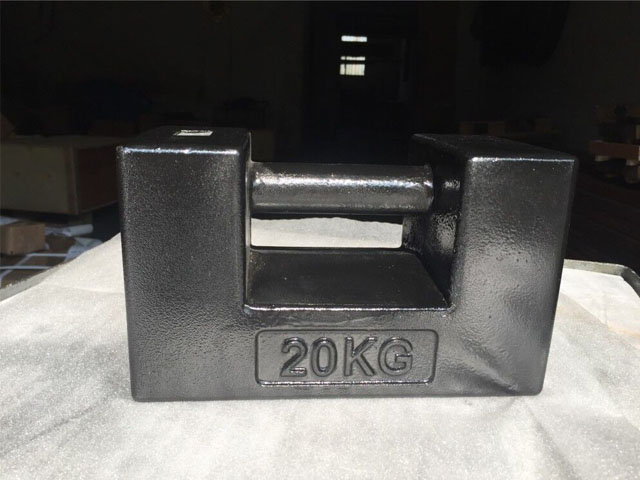
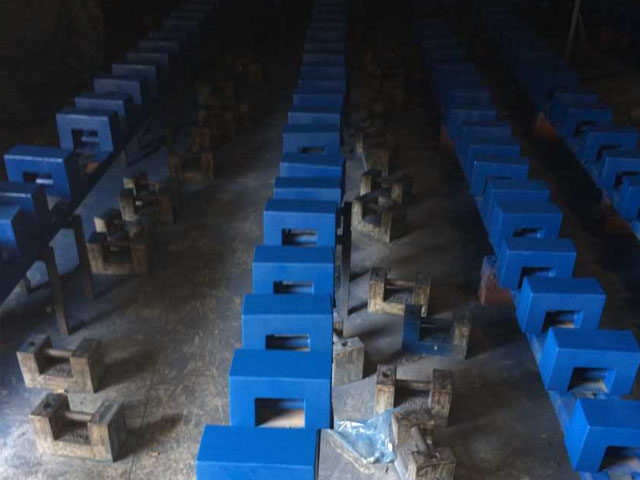
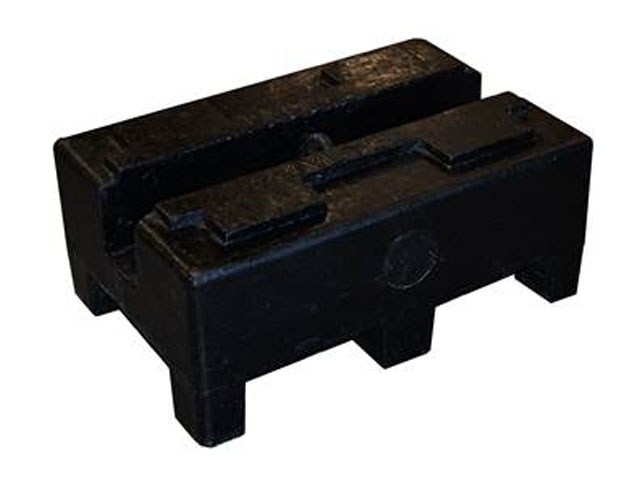
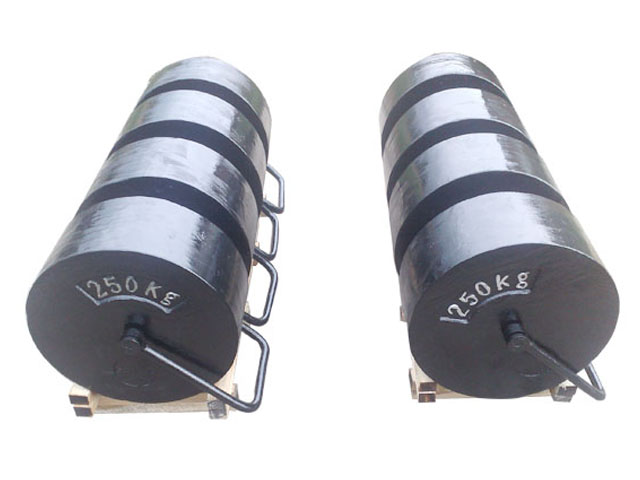
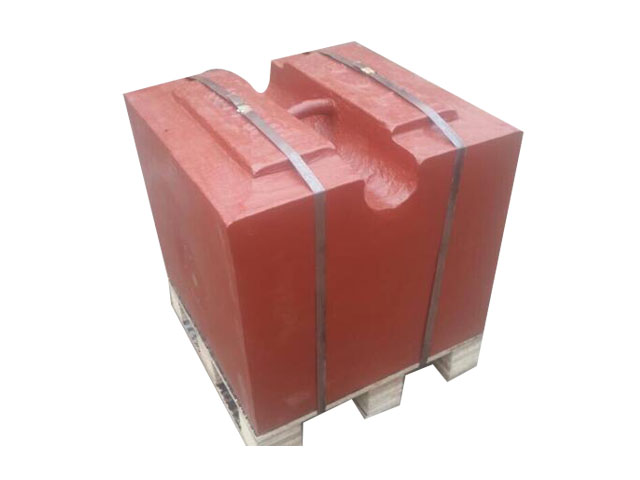
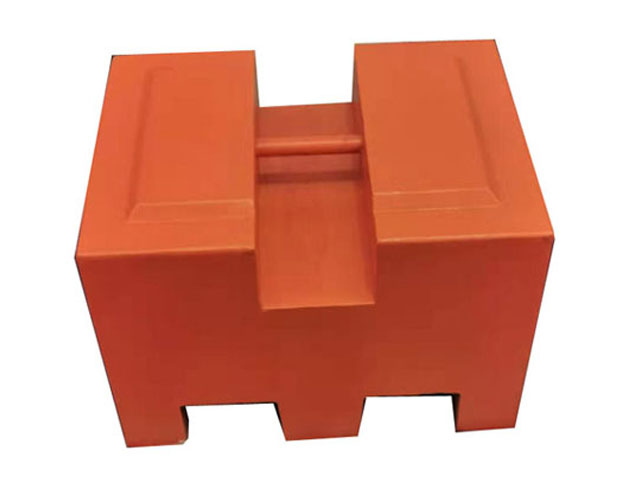
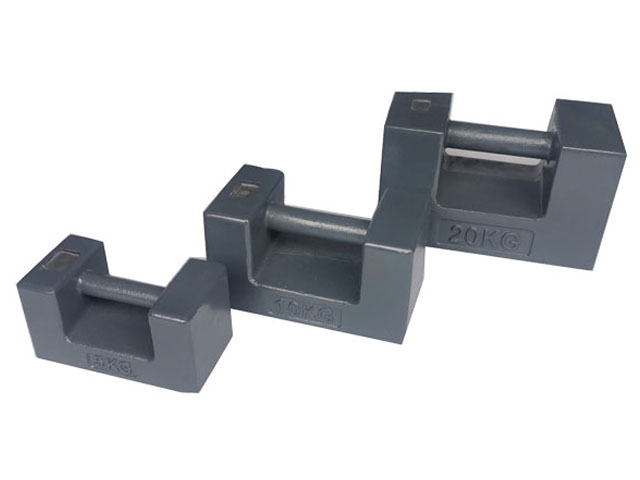
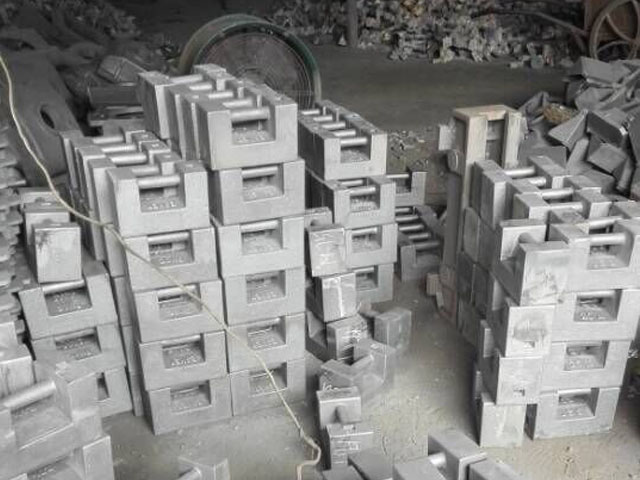
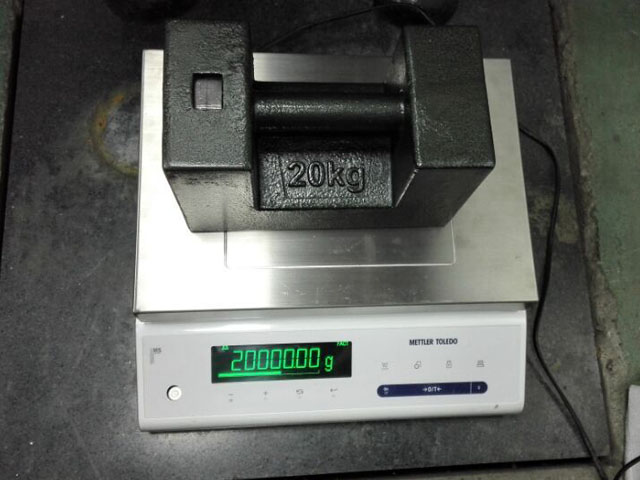
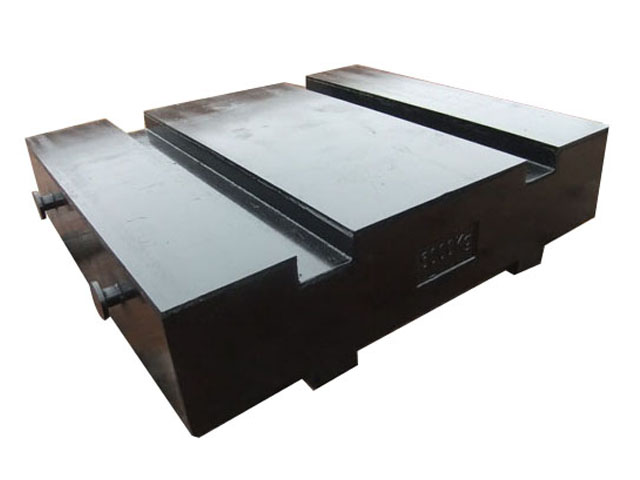
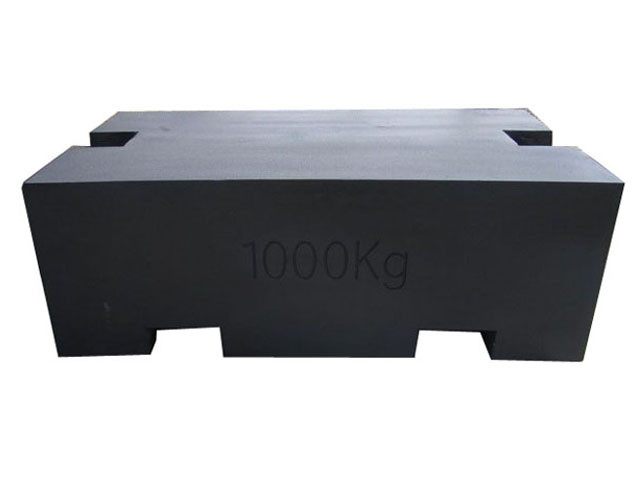
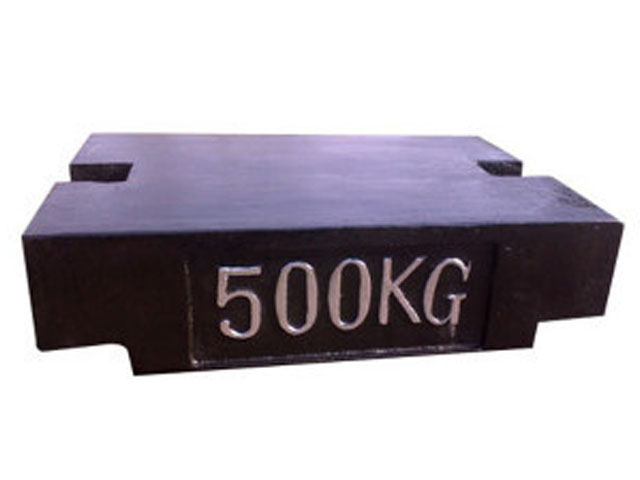
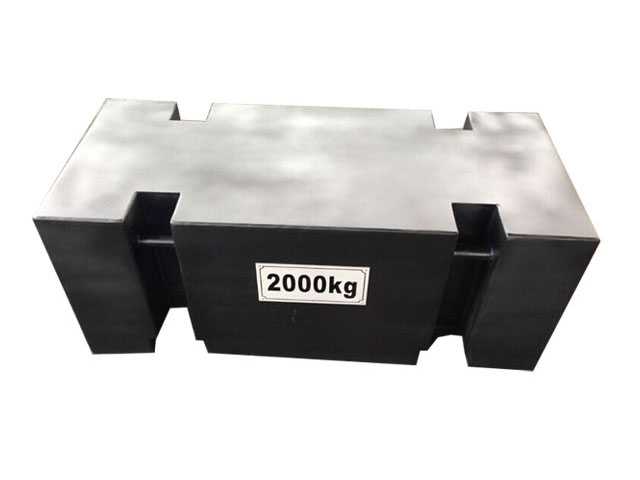

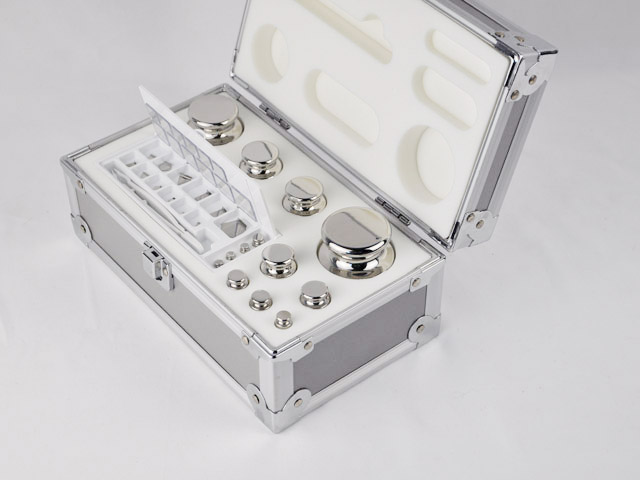
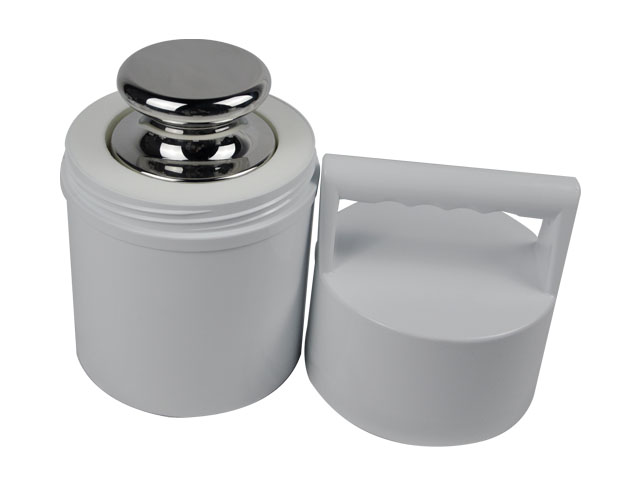
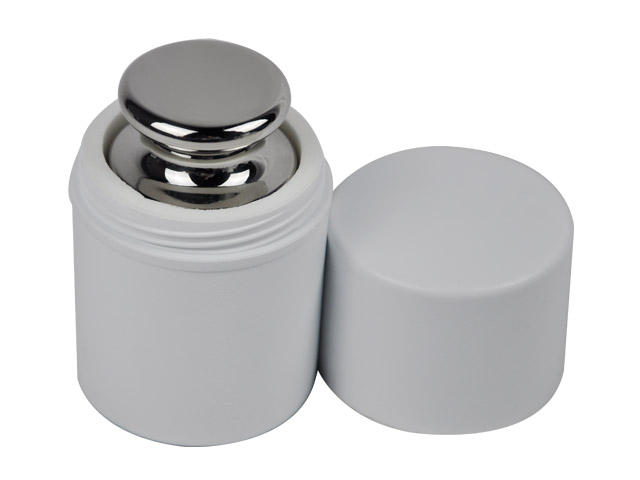
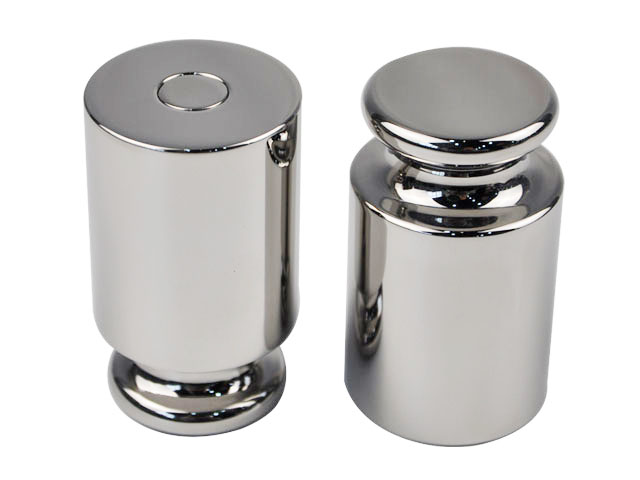
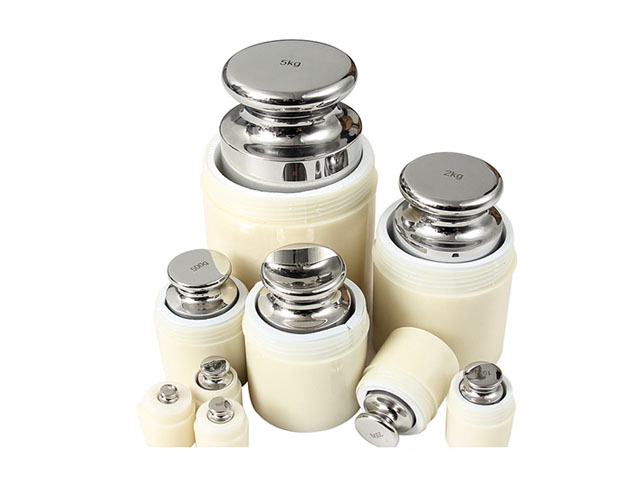
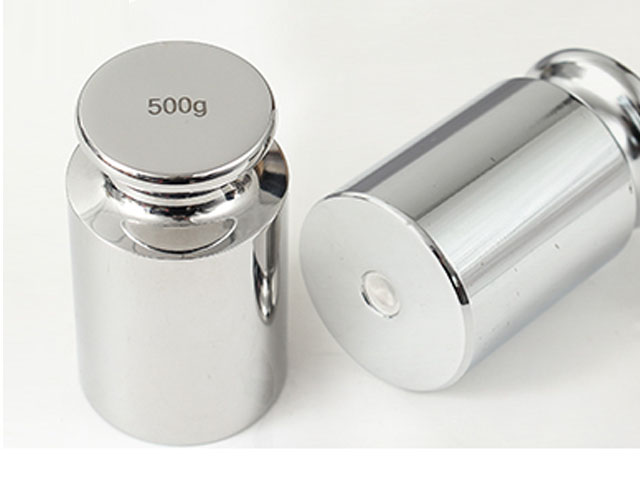
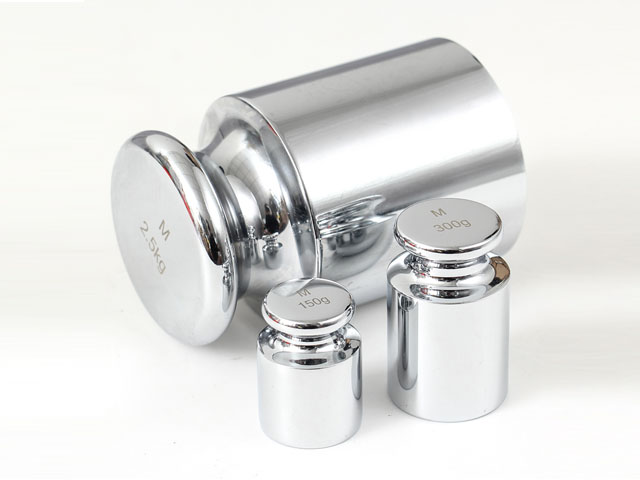
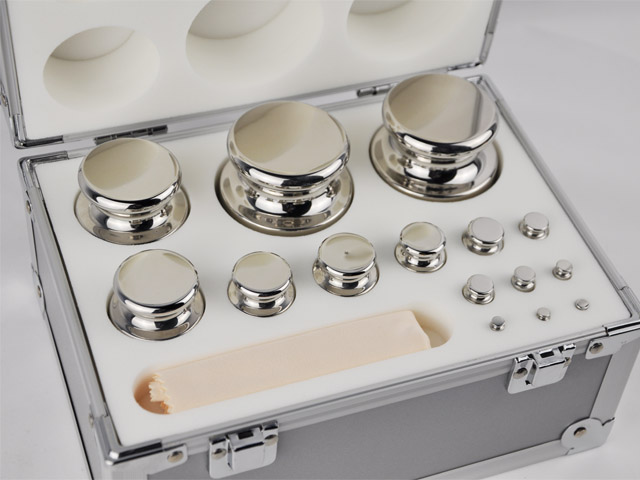
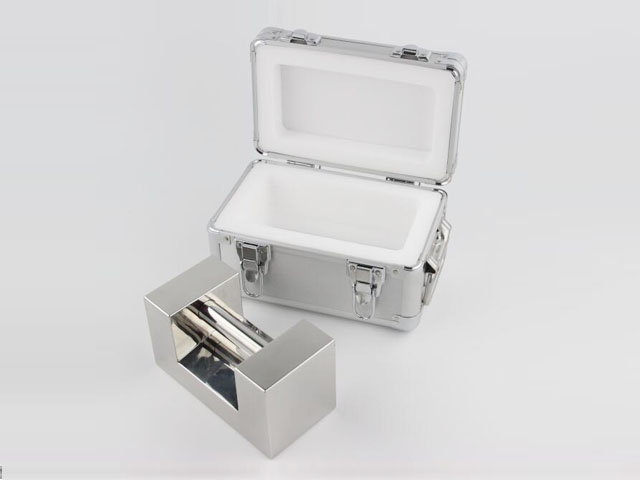
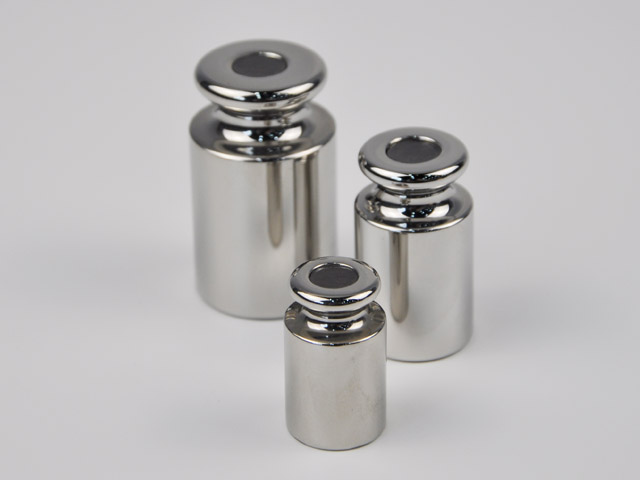
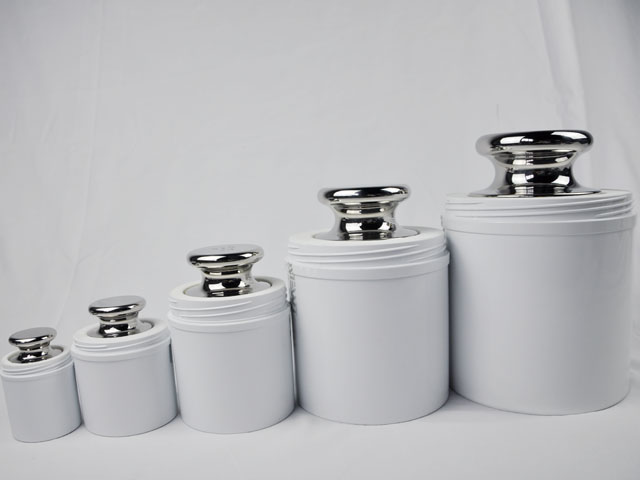
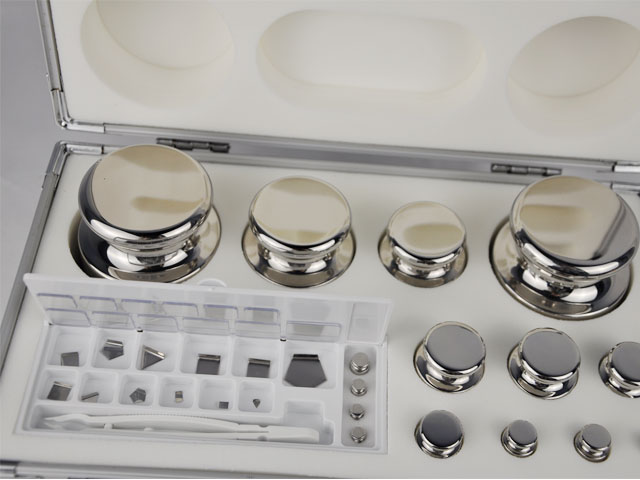

Changzhou Veidt Weighing Co., Ltd. sells various weights and related balances. The designed and manufactured goods include 0ML weights, ASTM weights, large-mass weights, right-protection weights, weight accessories, balances, etc.